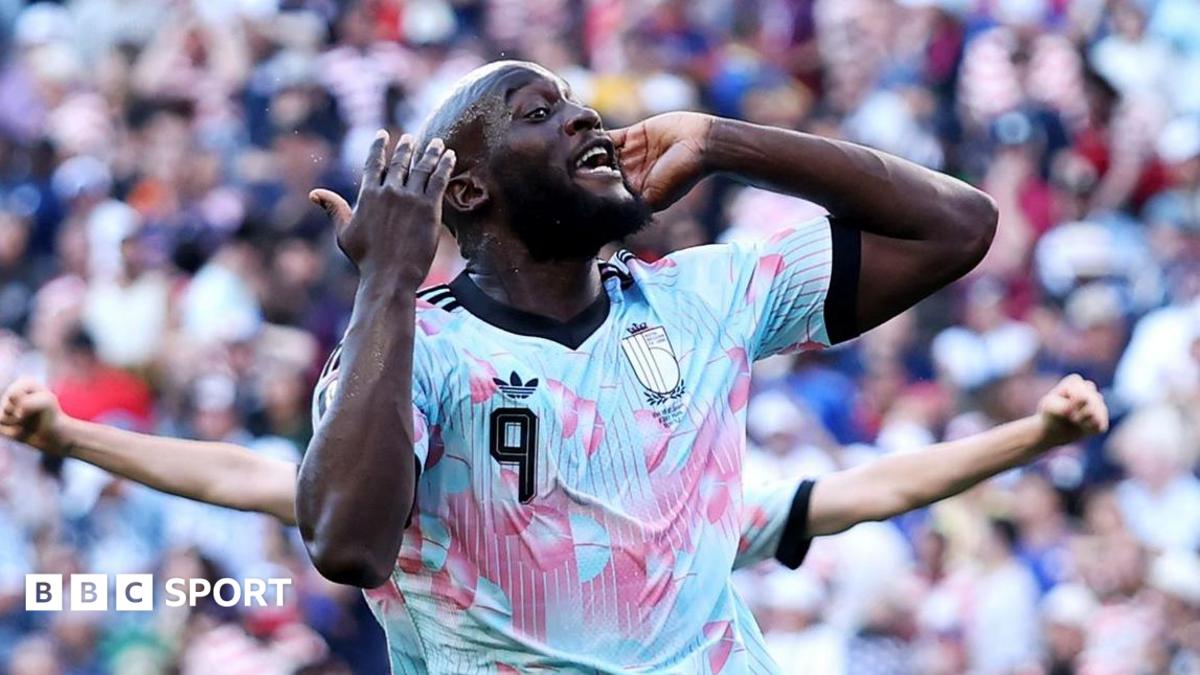
Belgium’s build-up to their World Cup last-16 meeting with the United States was sharpened by a late disciplinary twist involving Folarin Balogun, with midfielder Nicolas Raskin saying the squad felt a clear sense of injustice after FIFA suspended the striker’s one-match ban shortly before kick-off.
That kind of pre-match controversy can matter as much psychologically as it does procedurally. For Belgium, the decision appears to have added fuel to an already high-stakes knockout tie, turning a routine team briefing into a point of collective motivation. Raskin’s comments suggest the squad used the ruling as a rallying point, framing the game as one in which they wanted to “overturn” what they saw as an unfair outcome.
Why the ruling mattered to Belgium
In tournament football, small margins often shape the emotional temperature around a match. A suspended ban being lifted at the last moment does not change the tactical plan on its own, but it can alter how players approach duels, transitions and the first 15 minutes of a game. Belgium’s reaction indicates they were determined to channel frustration into intensity, especially in a knockout setting where momentum can swing quickly.
For supporters, the story underlines how off-field decisions can become part of the competitive narrative. Fans often focus on line-ups and formations, but disciplinary rulings can influence the mood inside a camp and the tone of a match before the first whistle. In this case, Belgium’s public response suggests they believed the decision gave them an extra edge, even if it also risked distracting from the football itself.
Knockout football and emotional edges
World Cup last-16 matches are rarely decided by one incident alone, yet the emotional backdrop can be decisive. Belgium’s stance reflects a familiar tournament pattern: teams frequently look for any perceived slight to build unity and sharpen concentration. Whether that translates into performance depends on execution, discipline and the ability to stay focused under pressure.
What is clear from Raskin’s remarks is that Belgium did not treat the ruling as a footnote. Instead, they saw it as part of the story of the match, one that helped frame their mentality against the United States. For a side trying to advance in a knockout competition, that sort of collective edge can be valuable, provided it is converted into control on the pitch rather than emotion off it.
For the United States, the episode would have added another layer to an already difficult preparation. Balogun’s availability, and the debate around it, became part of the wider tactical and psychological chess match that often defines World Cup knockout football.
Source note: This article was prepared using publicly available information from BBC Sport and expanded with editorial context.
Share this content: