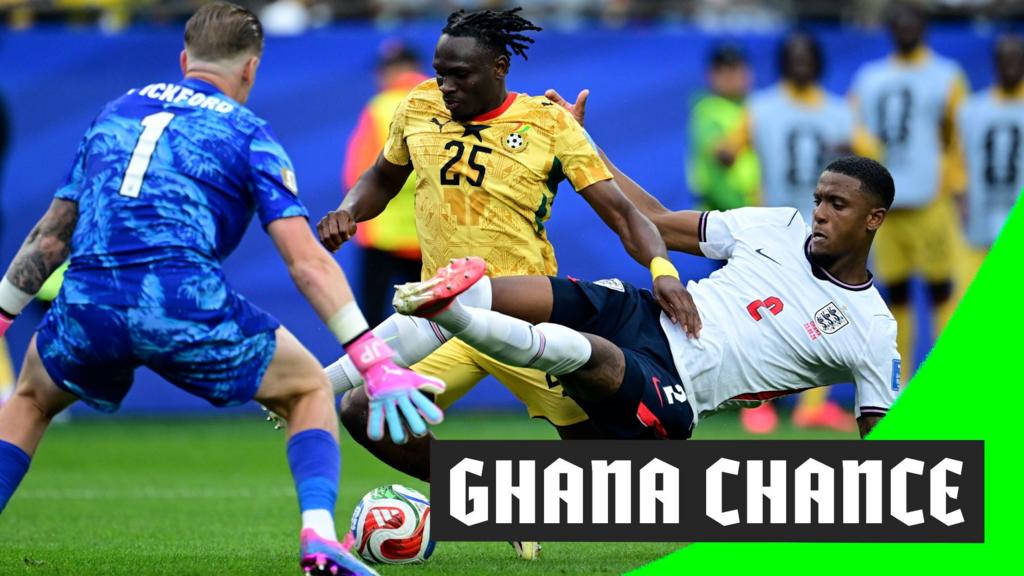
A short BBC clip has sparked a familiar World Cup discussion: did England get away with one? The footage centres on a late defensive intervention by Ezri Konsa on Ghana forward Prince Adu during a Group L match in Boston, with the broadcaster framing the moment as an “anxious” one for England and asking whether it should have resulted in a penalty.
From a supporter’s point of view, these are the incidents that can define the emotional temperature of a match. For England, a last-ditch challenge that avoids conceding a spot-kick can feel like a reprieve; for Ghana, it is the kind of moment that can leave players and fans convinced they were denied a major opportunity. In tournament football, where margins are thin and one decision can change the rhythm of a game, such clips quickly become part of the wider post-match conversation.
Why the incident matters
Penalty appeals are rarely just about one tackle. They are about timing, body position, contact, and whether the defender made a genuine attempt to play the ball. In this case, the BBC’s framing suggests the challenge was close enough to warrant debate, which is often enough to send analysts, supporters and social media into overdrive. Even without a full match report attached to the clip, the visual alone is enough to raise questions about how the referee interpreted the contact.
For England, moments like this can be a reminder that defensive recovery work remains crucial even when the team appears to have control. A centre-back’s ability to recover in open space is valuable, but so is the discipline to avoid giving officials a decision to make inside the box. For Ghana, the clip underlines the importance of attacking transitions and arriving in dangerous areas with pace, because those are the situations that force defenders into desperate actions.
What supporters will take from it
Supporters often remember these flashpoints more vividly than long passages of possession. If the challenge is judged fair, England fans will see it as a vital intervention. If it should have been a penalty, Ghana followers will view it as a missed chance to alter the match. That tension is exactly why tournament football generates so much debate: the same moment can be interpreted as excellent defending or a clear foul depending on allegiance and angle.
What is clear from the BBC clip is that the incident was significant enough to be highlighted on its own. In a World Cup setting, that usually means the decision has implications beyond the single passage of play, feeding into broader arguments about officiating, defensive technique and how fine the line can be between a clean recovery and a costly mistake.
For England, the key takeaway is simple: survive the scare and move on. For Ghana, the clip will likely remain a talking point, especially if the match outcome hinged on fine details. Either way, it is the sort of moment that keeps tournament football compelling long after the final whistle.
Source note: This article was prepared using publicly available information from BBC Sport and expanded with editorial context.
Share this content: