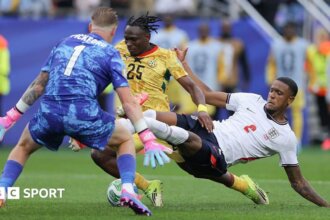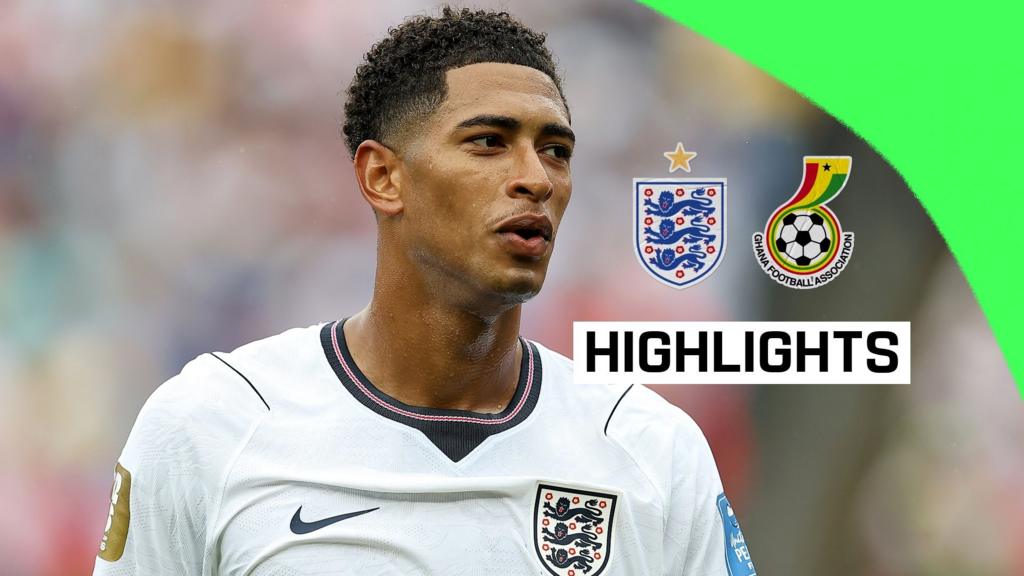
England’s momentum stalled at Boston Stadium as they were held to a goalless draw by Ghana, a result that served as a reminder that early tournament form does not always carry cleanly into the next fixture. After opening their World Cup campaign with a performance strong enough to overpower Croatia, England found a far more stubborn opponent in a Ghana side that stayed organised and denied space in the key areas.
A different kind of test for England
The contrast with England’s first game was clear. Against Croatia, England had the freedom and rhythm to impose themselves; against Ghana, they were forced into a more patient contest, one in which chances were harder to create and the final ball mattered even more. For supporters, that is often the reality of major tournaments: once a team establishes itself as a contender, opponents respond by dropping deeper, defending in numbers and making every attacking action more difficult.
From an editorial perspective, this is the kind of result that can be more instructive than a comfortable win. England were not beaten, but they were checked. That matters because goalless draws in tournament football are rarely just about one missed chance or one tactical adjustment; they usually reflect a broader struggle to turn territory into clear openings. Ghana’s discipline suggests they were content to frustrate England and force them into a game of persistence rather than pace.
What the result means in context
For England, the draw does not erase the value of their opening victory, but it does sharpen the focus on consistency. Tournament campaigns are built not only on headline wins but on the ability to handle different match states. A side that can overwhelm one opponent and then break down a compact defensive block the next is usually the one that goes deepest.
For Ghana, the point will feel significant because it came from a controlled and resolute display against a team that had already shown strong form. Even without the full detail of the match available here, the result alone points to a performance built on structure and concentration. That is often enough to alter the tone of a group stage, especially when a heavyweight opponent is involved.
For England supporters, the takeaway is straightforward: the team remains in a strong position, but there is still work to do in the attacking third. A goalless draw can be frustrating, yet it can also be useful if it exposes where the next improvement has to come from. In tournament football, those lessons often matter just as much as the points themselves.
Source note: This article was prepared using publicly available information from BBC Sport and expanded with editorial context.
Share this content: