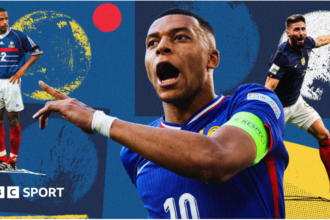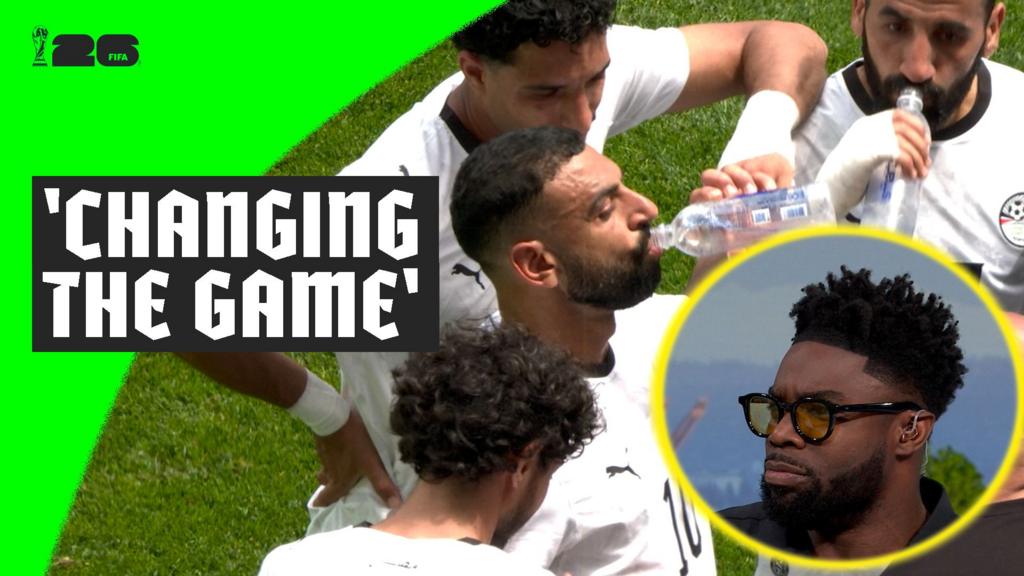
Hydration breaks are no longer just a practical safeguard for players in extreme conditions; they are becoming a tactical talking point at the 2026 World Cup. In a BBC Sport video, Micah Richards, Theo Walcott and Olivier Giroud weigh up how these pauses are affecting the rhythm of matches and whether they are subtly reshaping the way teams approach the tournament.
For supporters, the issue goes beyond a few minutes of stoppage time. A hydration break can interrupt momentum, reset a team under pressure and give coaches a brief window to pass on instructions without using a substitution or waiting for half-time. In a tournament where fine margins often decide knockout games, even a short pause can alter the flow of a contest.
Why hydration breaks matter tactically
From a footballing perspective, hydration breaks can help teams in hot conditions, but they also change the structure of a match. Pressing sides may lose intensity after the pause, while teams defending a lead can use the interval to reorganise their shape. That makes the breaks more than a welfare measure; they become part of the strategic landscape.
The BBC discussion is timely because the 2026 World Cup is expected to place a premium on squad management, game control and in-game adaptation. When players are asked to sustain high tempo over long periods, any enforced stoppage can influence how managers balance energy, risk and control. For viewers, that can mean matches that feel less continuous but more heavily managed from the touchline.
What it means for fans and teams
Richards, Walcott and Giroud bring different perspectives to the debate, with all three having experienced elite-level football in environments where game management and physical demands are central. Their conversation reflects a broader question around modern tournament football: when does player protection improve the spectacle, and when does it disrupt it?
For teams, the answer may depend on how well they adapt. The best-prepared sides will treat hydration breaks as part of their match plan, using them to settle nerves, adjust pressing triggers or protect a lead. For fans, that means the 2026 World Cup could feature a slightly different rhythm from previous editions, with stoppages becoming another variable in how games are won and lost.
BBC Sport’s video does not settle the argument, but it captures why the topic matters. Hydration breaks are now part of the modern tournament conversation, and their influence on tempo, tactics and player welfare is likely to remain under scrutiny as the 2026 World Cup develops.
Source note: This article was prepared using publicly available information from BBC Sport and expanded with editorial context.
Share this content: