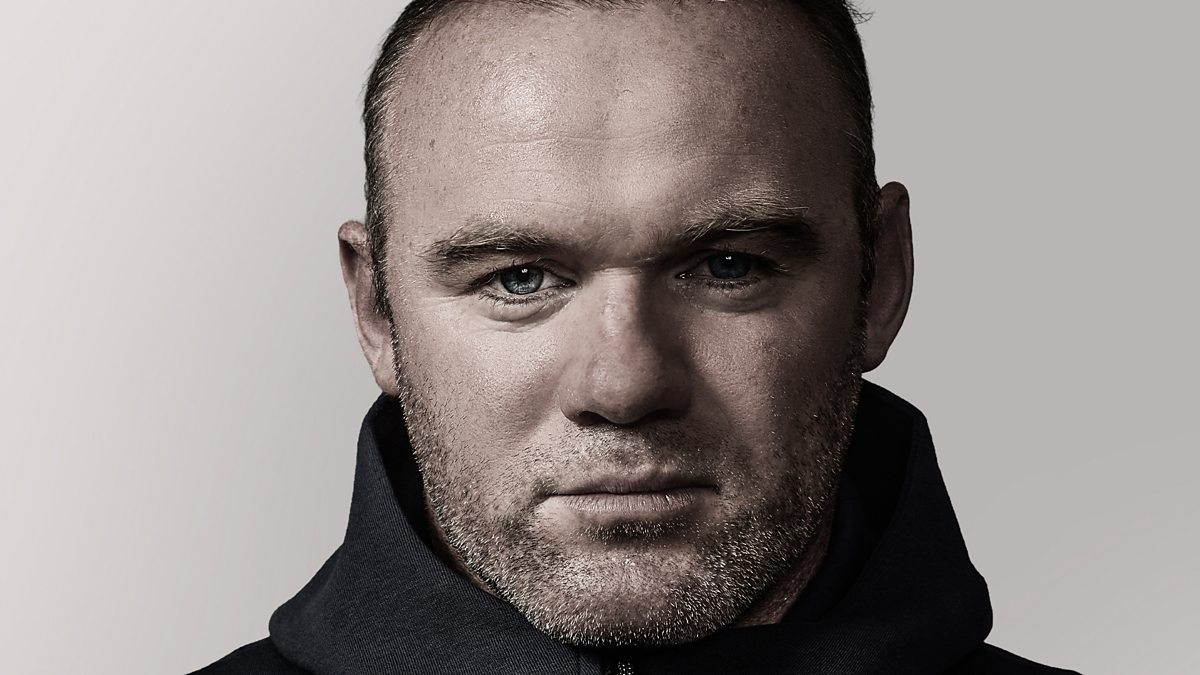
BBC’s latest Rooney-focused programming is built around a simple but powerful idea: there is still a major audience for the story of Wayne Rooney, even years after his peak as a player. The iPlayer listing describes the project as offering “unprecedented access” to the life and career of one of football’s greatest strikers, and that framing matters. Rooney remains one of the most recognisable figures in modern English football, not only because of his goals, but because his career touched so many of the sport’s biggest talking points: early promise, elite-level pressure, longevity at the top and the transition from player to public football figure.
For supporters, especially those who followed the Premier League through the 2000s and 2010s, Rooney’s name still carries immediate weight. He was never just a scorer; he was a symbol of an era when English football’s biggest clubs were defined by star power and relentless expectation. Any documentary or access-led project built around him is likely to resonate because it taps into that nostalgia while also inviting a more reflective look at what it takes to sustain a career at the highest level.
Why Rooney still matters to football audiences
The source does not provide match footage, transfer detail or fresh competitive context, but it does confirm the central editorial point: Rooney’s career remains commercially and culturally relevant. That is important in football media because legacy content only works when the subject still has a strong connection to the audience. Rooney fits that profile. He is part of the modern Premier League’s identity, and his story intersects with club ambition, England expectations and the broader evolution of elite football coverage.
From a tactical and footballing perspective, Rooney’s appeal has always gone beyond highlight reels. He represented a forward who could lead the line, drop into midfield, link play and carry responsibility in high-pressure matches. That versatility helped make him one of the defining attackers of his generation, and it is one reason why a deeper look at his life and career can still attract attention from both older fans and younger viewers who know the name but not the full context.
What this means for supporters and football media
For supporters, the significance is less about a new result or transfer and more about access. Football audiences increasingly want behind-the-scenes storytelling that explains how elite careers are shaped, not just how matches are won. A Rooney project fits that trend. It offers the chance to revisit the human side of a player whose career was often judged in public, under intense scrutiny, and across multiple phases of English football.
For BBC, the programme also reflects a wider truth about football coverage: the biggest names remain valuable long after retirement, especially when their stories can be packaged as premium access content. Rooney’s career has enough scale, controversy, success and emotional pull to support that approach. Even without fresh on-pitch news, the project has relevance because it speaks to how football remembers its stars and how broadcasters continue to turn those careers into event television.
In that sense, the BBC listing is more than a simple promotional note. It is a reminder that Rooney’s place in football culture is still secure, and that there remains a strong appetite for serious, access-led storytelling around the game’s most familiar names.
Source note: This article was prepared using publicly available information from BBC Sport and expanded with editorial context.
Share this content: