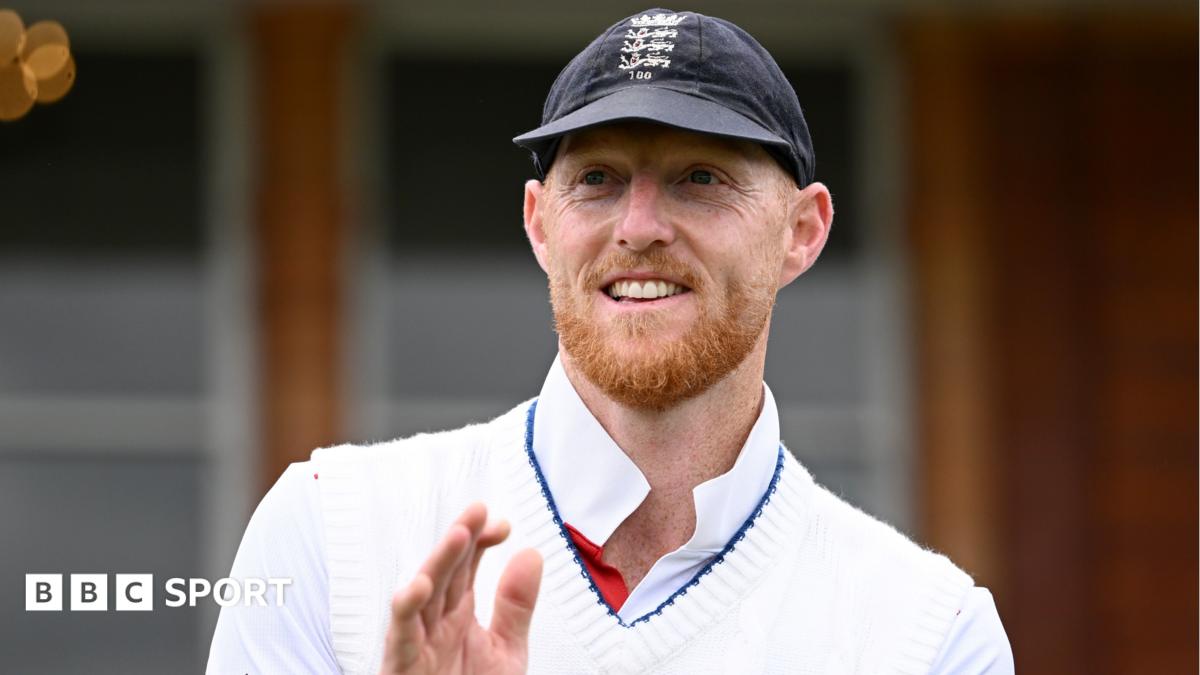
Ben Stokes could be back in charge of England as early as next week, with BBC Sport reporting that the all-rounder is in line to captain the side for the third Test against New Zealand at Trent Bridge. For England supporters, that is more than a simple team-news update: it points to the possible return of the player who has become the defining figure of the team’s modern Test identity.
Stokes’ availability matters because England’s leadership structure has been built around his presence. When he is fit and available, England tend to look more assertive, more aggressive and more willing to take risks in the longest format. That has tactical implications, too. His captaincy often shapes field settings, bowling changes and the tempo of the innings, while his own role as a middle-order batter and seam option gives the side flexibility that few teams can match.
Why Stokes’ return matters for England
The timing is significant. A third Test is often where a series begins to tilt, and the return of a senior captain can change the mood around the dressing room as much as the balance of the XI. Even without additional details from the source on England’s current selection picture, the possibility of Stokes resuming the role suggests the team may be preparing to restore a familiar leadership model against New Zealand.
For England, that also means continuity in approach. Stokes has been central to the more positive, attacking style associated with the side in recent years, and any comeback to captaincy would be viewed through that lens. Supporters will see it as a sign that England want their strongest on-field personality back at the helm for a key Test at Trent Bridge.
What it means for the New Zealand Test
New Zealand will know exactly what Stokes represents: a captain who can influence a match with bat, ball and decision-making. Even the suggestion of his return changes the narrative around the contest, because England under Stokes are rarely passive. That can affect how opponents plan their bowling lengths, their field placements and their own risk management across five days.
The BBC Sport report is brief, but the implication is clear. If Stokes does return, England regain not just a player, but a central organising force. For fans, that is the kind of development that can reshape expectations for a Test series, especially when the captain in question has become synonymous with England’s most ambitious cricket.
As things stand, the story remains one to watch rather than a confirmed selection call. But if Stokes does walk out as captain at Trent Bridge, it would be one of the most important team changes of the series.
Source note: This article was prepared using publicly available information from BBC Sport and expanded with editorial context.
Share this content: