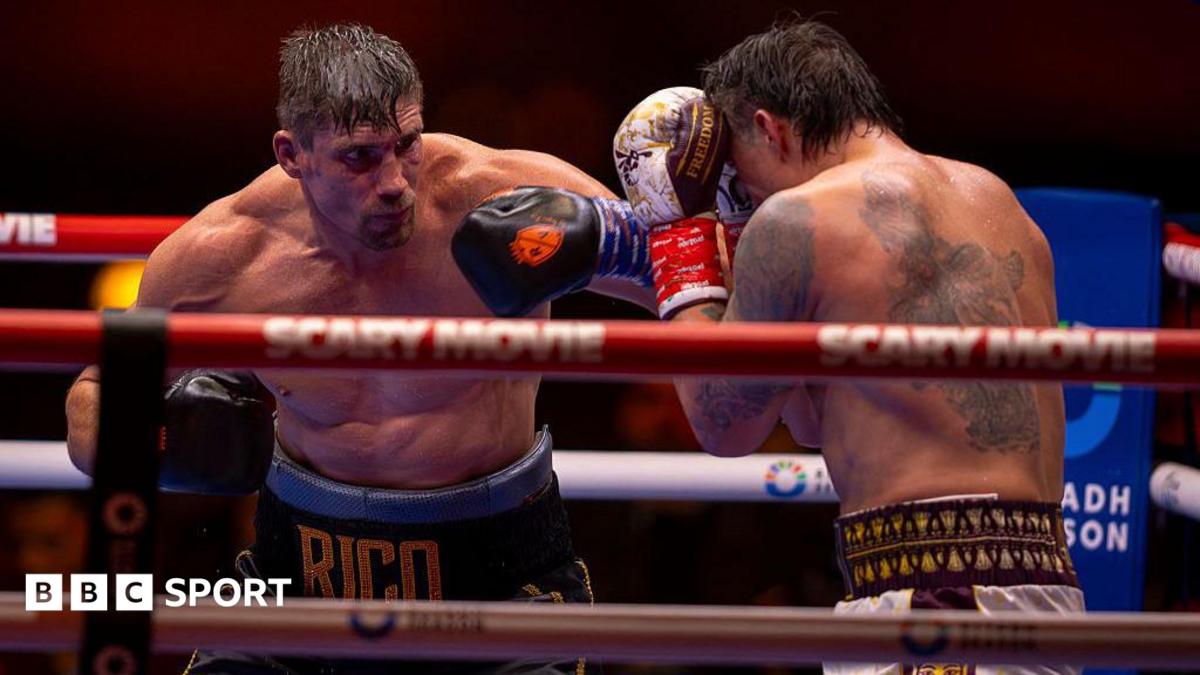
The referee at the centre of the controversy surrounding the Oleksandr Usyk and Rico Verhoeven fight has told a boxing commission that he had already seen enough to stop the bout in the 11th round before the bell sounded. That detail matters because it shifts the debate away from a split-second ringside call and towards the broader question of whether the contest had already reached the point where intervention was inevitable.
For supporters and observers, the key issue is not only the ending itself but what it says about officiating in high-stakes heavyweight boxing. When a referee believes a fighter can no longer continue safely, the timing of the stoppage becomes part of the story, especially in a bout that has already generated controversy. In this case, the commission hearing suggests the official felt the fight had crossed that threshold before the round ended.
Why the stoppage timing matters
In boxing, late-round stoppages are always scrutinised because they can decide major fights in the space of a few seconds. If a referee is convinced a boxer is no longer defending himself adequately, the duty to protect the fighter can outweigh the expectation of letting the bout continue to the bell. That tension is what makes this case significant beyond the immediate result.
For Usyk and Verhoeven, the controversy will inevitably shape how the fight is remembered. Usyk has long been associated with elite-level technical control and composure, while Verhoeven’s name carries weight in heavyweight discussions because of his standing in the sport. Any disputed ending involving fighters of that profile naturally draws wider attention, not just from fans but from commissions and officials who want consistency in future title-level contests.
What it means for the sport
The commission testimony could influence how the incident is viewed by the public, even if it does not change the result. It also reinforces a familiar truth in boxing: the referee’s judgment is often final, but it is rarely free from debate when a fight ends under pressure. For fans, that can be frustrating, yet it also underlines how much responsibility rests on the official in the ring.
BBC Sport reported the development on 8 June, and the story is likely to keep the conversation going around officiating standards, fighter safety and the threshold for stopping a bout. In a sport where one late exchange can alter careers, the line between caution and controversy is often very thin.
For now, the most important takeaway is that the referee’s own account suggests the stoppage was not a rushed reaction to the bell, but a decision he says was already forming before the round ended. That will do little to silence debate, but it does add an important layer to a fight that has already become a talking point well beyond the final bell.
Source note: This article was prepared using publicly available information from BBC Sport and expanded with editorial context.
Share this content: