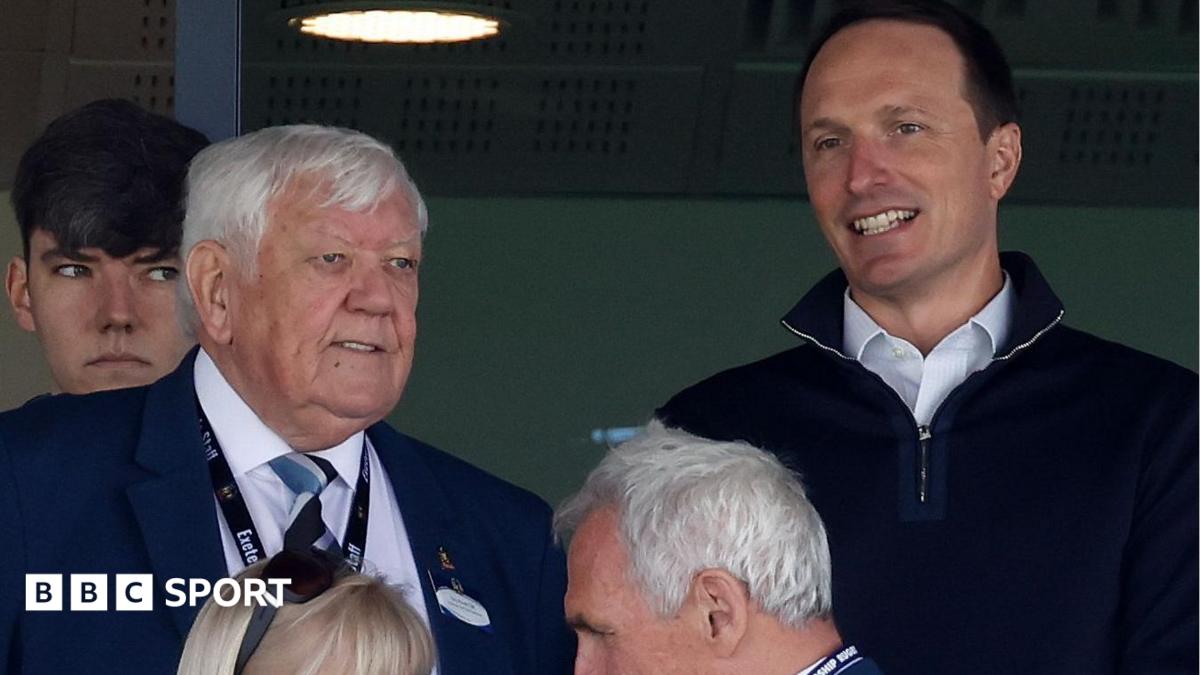
Exeter Chiefs have become the latest major English rugby club to change hands, with the owners of Premier League side AFC Bournemouth completing their takeover of the Premiership outfit. The move adds another significant chapter to a period in which top-flight rugby has seen ownership and investment become increasingly central to the sport’s future.
While the BBC report is brief, the significance is clear. Exeter have long been one of the more recognisable names in English rugby, and any change in control at a club of that stature is likely to be watched closely by supporters, rivals and the wider game. In an era when financial backing can shape recruitment, facilities and long-term competitiveness, ownership changes are no longer just boardroom stories; they can alter the sporting balance as well.
What the takeover means for Exeter Chiefs
For Exeter supporters, the immediate question will be what the new ownership structure means in practical terms. Takeovers in rugby often raise hopes of stronger investment, greater stability and the ability to compete with better-resourced rivals. They can also bring uncertainty, particularly if fans are unsure how much of the club’s identity will be preserved under new control.
Exeter have built a strong profile in the professional era, and any new owners will be judged not only on ambition but on whether they can support the club without disrupting its core identity. That balance matters in rugby, where supporters tend to value continuity, local connection and a clear sense of purpose as much as headline spending.
Part of a wider ownership trend in rugby
The BBC’s reference to recent investment elsewhere underlines how common these developments are becoming. Last August, energy drinks giant Red Bull bought Newcastle, while Bath have also been strengthened by businessman James Dyson taking a 50% stake in the Premiership champions. Together, those examples show that English rugby is entering a period in which external capital is increasingly shaping the competitive landscape.
That trend has obvious tactical and sporting implications. Clubs with stronger financial backing are often better placed to retain key players, attract new signings and build deeper squads capable of handling the demands of a long season. For coaches, that can mean more options and more flexibility; for supporters, it can mean genuine optimism that the club can keep pace with the league’s biggest spenders.
At the same time, takeovers also invite scrutiny. Fans will want clarity on the owners’ long-term plans, their commitment to the club’s rugby operation and whether the investment is intended to deliver sustainable growth rather than short-term headlines. In a sport where financial pressure has already reshaped the Premiership, every new ownership story carries both promise and risk.
For now, the key fact is simple: Exeter Chiefs have a new ownership era beginning, and the consequences will be measured not just in balance sheets, but in how the club performs on the pitch and how supporters feel about the direction of travel.
Source note: This article was prepared using publicly available information from BBC Sport and expanded with editorial context.
Share this content: