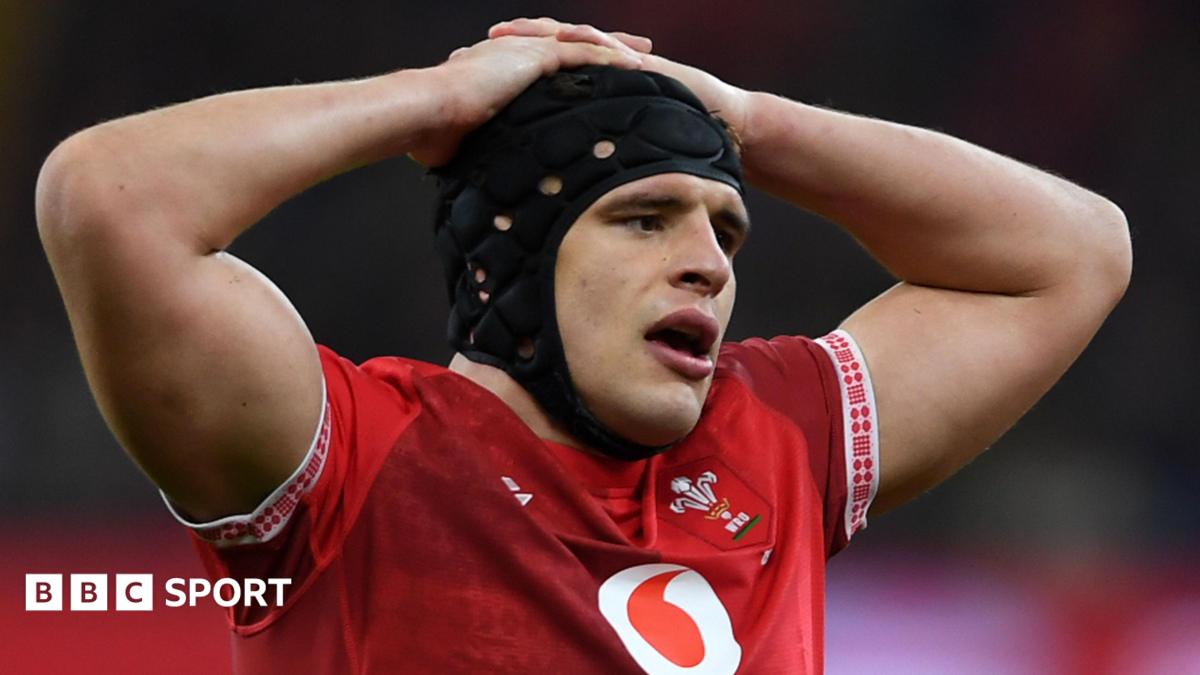
Wales have been forced into an early adjustment to their summer plans after Exeter lock Dafydd Jenkins was ruled out of the Nations Championship Tests with a shoulder injury. It is a significant blow for a squad that is still trying to build continuity and physical edge in the second row, where Jenkins has become one of the more important young forwards in Welsh rugby.
The timing matters. Summer Test windows are often used to sharpen combinations, test depth and give emerging players meaningful international minutes. Losing a lock of Jenkins’ profile removes not only lineout security and set-piece presence, but also a player whose work rate and physicality help set the tone in tight matches. For Wales, that means the coaching group must now look deeper into the forwards pool to maintain balance in a demanding area of the field.
What Jenkins’ absence means for Wales
Jenkins’ injury comes at a point when Wales are trying to manage both performance and availability across a squad that needs reliable options in the engine room. The BBC report confirms that the forwards group includes a broad mix of props, hookers, locks and back-row players, underlining the need for versatility and cover across the pack. Without Jenkins, Wales lose a player who can influence the lineout, defensive organisation and maul work, all of which are central to Test rugby.
For supporters, the immediate concern is less about one individual match and more about the wider shape of the summer campaign. Injuries to frontline forwards can quickly alter selection plans, especially when a side is trying to establish rhythm in a short international window. That puts added pressure on the remaining locks and back-row options to absorb extra responsibility.
Exeter setback adds to Wales’ selection challenge
The injury was sustained with Exeter, which adds a club-level frustration to the international one. For a player still building his standing at both club and Test level, shoulder issues can be particularly disruptive because they affect contact work, lifting, tackling and general set-piece involvement. Wales will now have to monitor his recovery carefully before any return to action is considered.
From a tactical standpoint, Jenkins’ absence may also influence how Wales approach the summer Tests. If the pack loses some of its established lineout authority, the team may need to simplify certain phases or lean more heavily on back-row athleticism and front-row stability to compensate. That is not ideal, but it is the kind of adjustment international squads are often forced to make when injuries strike.
For Wales, the message is clear: the summer campaign has already been complicated by a key injury, and the response from the rest of the forwards group will now be under the spotlight.
Source note: This article was prepared using publicly available information from BBC Sport and expanded with editorial context.
Share this content: