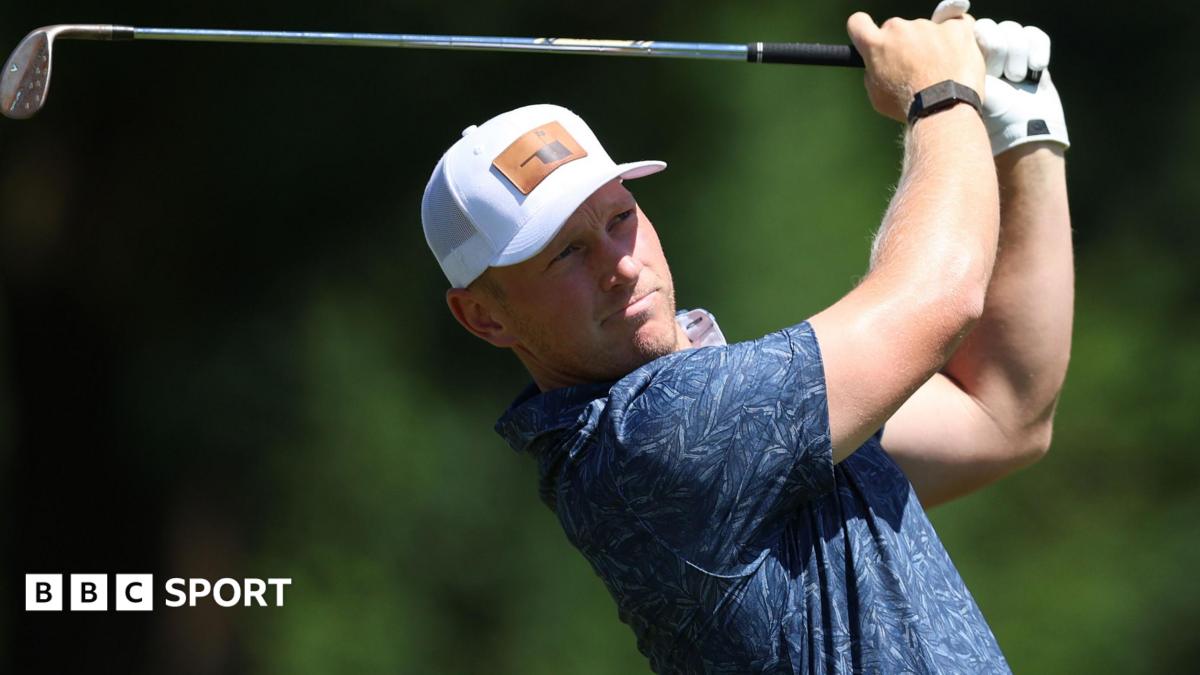
Brad Dalke’s first appearance on the DP World Tour has done more than give the YouTube golfer a new stage. It has also added another data point to a growing debate in modern golf: how much real competitive value sits inside the creator-led side of the sport.
Dalke said he has been thrilled by the level of support he has received on his DP World Tour debut, a sign that his profile already stretches beyond the usual boundaries of professional golf. For supporters, that matters because it shows the sport’s audience is changing. Players who build followings online are no longer just content creators; some are now being judged in the same competitive conversation as established tour professionals.
Why Dalke’s debut matters beyond one result
The significance of Dalke’s debut is not only about one round or one event. It reflects the increasing overlap between social media golf and the traditional tour structure. That crossover has become more visible in recent seasons as YouTube golf has produced players with large audiences, strong technical ability and enough competitive credibility to earn attention when they step into elite events.
Dalke’s comments also suggest that the reception from fans has been positive rather than sceptical. In a sport that often values pedigree and repetition at the highest level, that kind of support can help a player settle into a debut and reduce the pressure that comes with a first appearance on a major professional circuit.
For the DP World Tour, the presence of a high-profile creator is useful in a broader sense too. It brings extra attention from younger audiences, many of whom may already follow golf through digital platforms before they ever watch a full tournament broadcast. That does not change the competitive standards, but it does widen the sport’s reach.
YouTube golf is no longer easy to dismiss
Dalke also pointed to Ryan Ruffels as evidence that the level inside YouTube golf should not be underestimated. Ruffels finished tied for 45th at the PGA Tour’s Myrtle Beach Classic in May, a result that strengthens the argument that some players from the creator space can compete respectably in professional fields.
That is an important context for fans who may still see YouTube golf as separate from the real game. The gap between the two worlds is narrowing, not because online golf has replaced the tour, but because the technical standard among some creator golfers is now high enough to translate into tournament play.
For Dalke, the immediate story is simple: he has embraced the attention and appears to have enjoyed the response to his debut. For the wider game, the bigger implication is that golf’s audience and talent pathways are becoming more fluid. That is good news for the sport’s visibility, and potentially for its future fan base as well.
Supporters will now be watching to see whether Dalke’s debut is a one-off appearance or the start of a more regular presence in professional events. Either way, his first step onto the DP World Tour has already made a point: the creator era of golf is no longer on the margins.
Source note: This article was prepared using publicly available information from BBC Sport and expanded with editorial context.
Share this content: