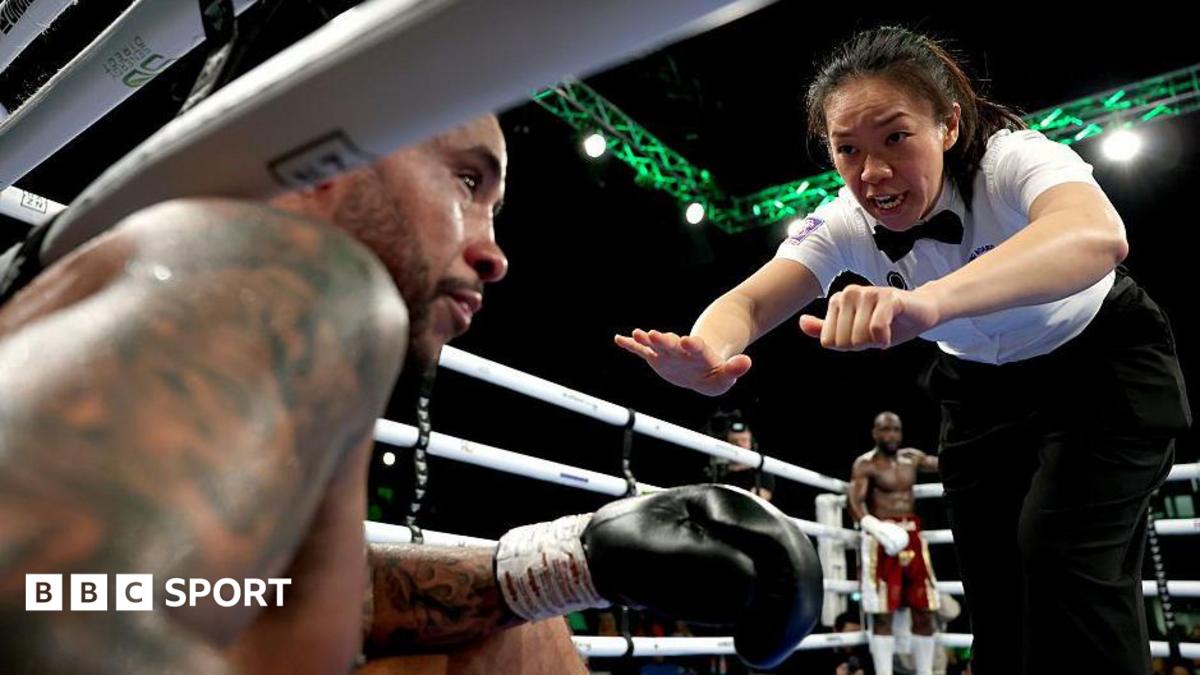
British boxing has long been defined by tradition, hierarchy and an unforgiving spotlight on officials. Against that backdrop, the BBC’s profile of the sport’s first female professional referee is significant not only as a personal milestone, but as a marker of how slowly combat sports can change.
The story centres on a breakthrough that goes beyond one appointment. In a sport where referees are expected to command authority instantly, the presence of a woman in the professional ranks carries symbolic weight. It also invites scrutiny that male officials often do not face to the same degree. That is part of the challenge the feature captures: the job is not simply about knowing the rules, but about earning trust in an environment where history and prejudice still shape perception.
Why this matters for British boxing
For supporters, this is a reminder that boxing’s evolution is not limited to fighters and promoters. Officials are central to the credibility of the sport, especially in professional bouts where split-second decisions can alter careers, rankings and reputations. A referee’s authority is built through consistency, composure and experience, and the BBC piece suggests that this milestone has been achieved in spite of pressure rather than because the path was made easy.
The quote highlighted by the BBC — “Why not? Why not me?” — captures the mindset behind the breakthrough. It speaks to ambition, but also to the practical reality that progress in boxing often comes only when individuals push into spaces that have historically been closed off. That makes the story relevant well beyond one official’s career. It reflects a wider conversation about representation in combat sports and the standards by which officials are judged.
Pressure, prejudice and the role of the referee
In boxing, referees operate under intense conditions. They must protect fighters, manage the pace of the contest and make decisions that can be debated for years. When the official is also breaking new ground, every call can be viewed through an additional lens. That is why this BBC feature matters: it is not a feel-good aside, but a reminder that progress in sport is often tested in the most visible and high-pressure roles.
For the sport itself, the significance is twofold. First, it broadens the image of who belongs in boxing’s professional structure. Second, it raises the standard of discussion around fairness and opportunity. If British boxing wants to present itself as modern and inclusive, then milestones like this cannot be treated as novelty. They are part of the sport’s credibility.
For fans, the takeaway is simple: boxing is changing, but not without resistance. The first female professional referee in Britain represents both a breakthrough and a challenge to old assumptions. In a sport built on judgment, her presence is a judgment on the game itself — and on how far it has come.
Source note: This article was prepared using publicly available information from BBC Sport and expanded with editorial context.
Share this content: