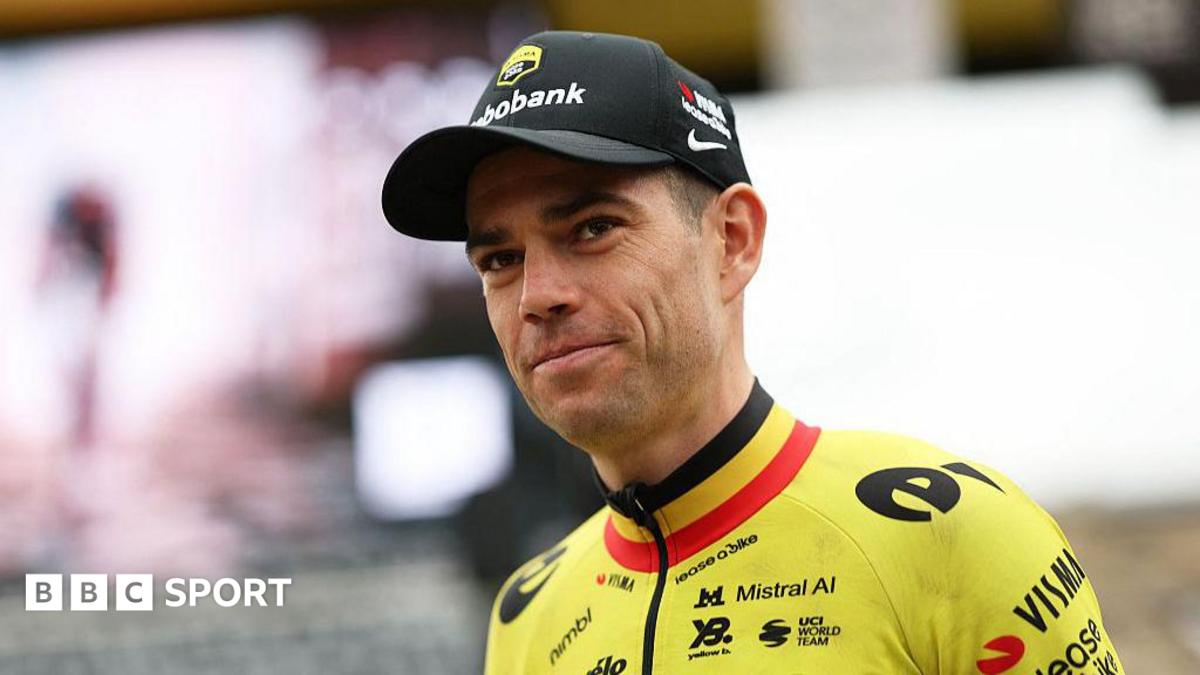
Wout van Aert is set to miss next month’s Tour de France after suffering an elbow injury, a significant blow for both the rider and Visma as the team prepares for one of cycling’s biggest events.
The Belgian has been one of the most recognisable and versatile names in the peloton, capable of influencing a race in multiple ways. His absence matters not only because of his individual quality, but because riders of his profile often shape team tactics across the three-week Grand Tour. For Visma, that means a late rethink in how they approach stage wins, support duties and race control when the Tour begins in Barcelona on 4 July.
Late setback for Visma before the Tour
Visma are due to announce Van Aert’s replacement on 23 June, leaving the team with limited time to finalise its Tour de France line-up. That timing adds pressure, because Grand Tour preparation is built around roles being defined well in advance. Losing a rider of Van Aert’s calibre so close to the start can affect everything from sprint-stage ambitions to the balance of support in the mountains and on transitional days.
While the source does not detail the severity of the injury or the expected recovery timeline, the immediate implication is clear: Visma will head into the race without one of their most valuable and adaptable riders. For supporters, that is a frustrating development, especially given Van Aert’s reputation for delivering in high-profile moments and his ability to contribute far beyond a single specialist role.
What Van Aert’s absence means for the race
Van Aert’s likely withdrawal also changes the shape of the Tour narrative before a wheel has turned. His presence usually gives a team extra tactical options, whether that is contesting stages, protecting leaders or responding to race situations as they unfold. Without him, Visma lose flexibility, and rivals may see an opportunity to exploit any reduced depth in the squad.
For the Tour itself, the news removes one of the sport’s most marketable and unpredictable riders from the early storyline. For Belgium, it is another reminder of how quickly a major injury can alter a summer’s ambitions. The focus now shifts to Visma’s replacement decision and whether the team can adjust quickly enough to remain competitive when the race starts in Barcelona.
More broadly, the update underlines how fragile Grand Tour planning can be. Even at the highest level, a single injury can force a team to redraw its strategy days before the biggest race on the calendar. Visma’s announcement on 23 June will therefore be closely watched, not just for the name of the replacement, but for what it reveals about the team’s revised Tour de France approach.
Source note: This article was prepared using publicly available information from BBC Sport and expanded with editorial context.
Share this content: