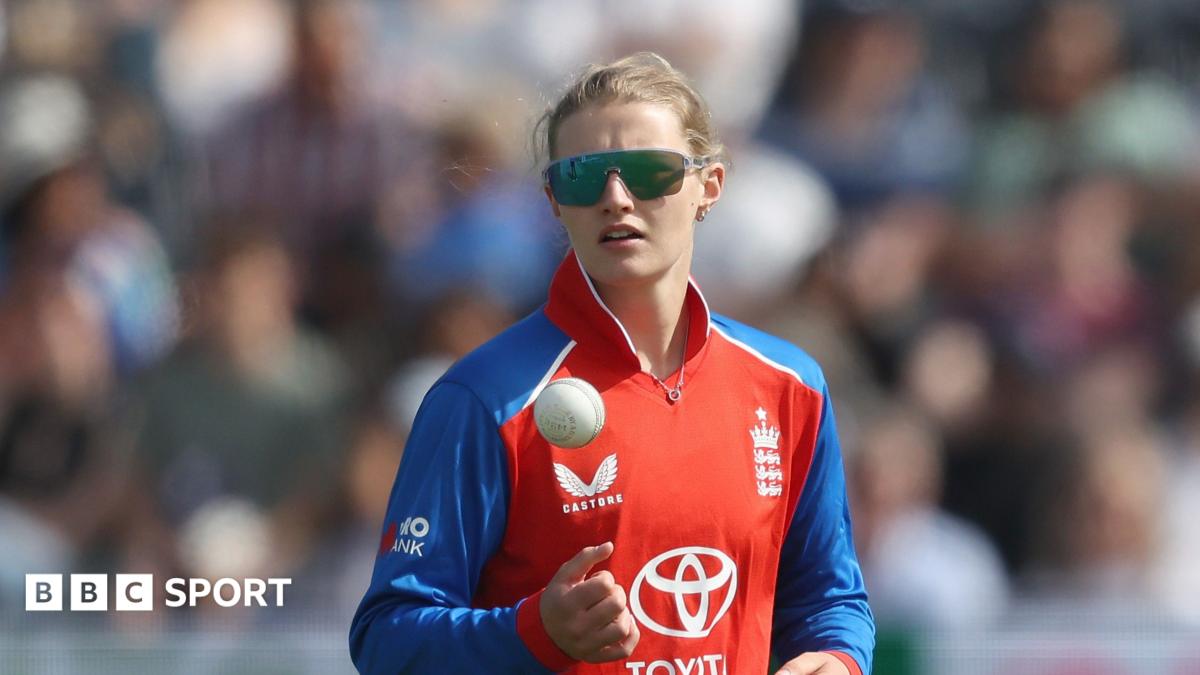
England’s decision to leave white-ball vice-captain Charlie Dean out of their squad for next month’s Lord’s Test against India is a notable selection call, even in the early stages of a series that already carries significant weight. Dean has become one of the more recognisable names in England’s limited-overs set-up, so her omission immediately invites scrutiny about how the team are balancing form, role-specific demands and the different pressures of Test cricket.
For supporters, the headline is less about a single absence and more about what it suggests regarding England’s current red-ball planning. Test cricket asks for a different kind of squad construction: patience, control, workload management and the ability to sustain pressure over long spells. A player can be central in white-ball cricket and still find selection in the longest format shaped by tactical fit rather than reputation alone. Dean’s omission points to that reality, and to the fact that England are clearly willing to make hard calls as they prepare for a high-profile match at one of the sport’s most iconic venues.
What the omission tells us
Lord’s is not just another fixture. A Test there carries prestige, history and a level of attention that magnifies every selection decision. Against India, England will need a side that can cope with extended batting passages, disciplined bowling plans and the possibility of a match that evolves over several sessions rather than several overs. In that context, leaving out a white-ball specialist or a player more associated with shorter formats can be interpreted as a sign that the management are prioritising red-ball balance over continuity from other formats.
That does not automatically mean Dean is out of favour. Instead, it reflects the reality that international squads are often built around the specific demands of the opposition, the surface and the format. England’s coaches will know that India bring enough quality to punish any mismatch in selection, particularly in a Test where control and adaptability matter as much as raw skill.
Why this matters for England and India
For England, the broader implication is that the pathway into the Test side remains competitive and selective. For India, it is a reminder that England are treating the fixture seriously and are likely to lean on players they believe can deliver in the longer format from the outset. For fans, the omission adds intrigue before the squad is even fully unpacked: it raises questions about England’s spin options, their tactical priorities and how they intend to manage the unique demands of Lord’s.
As the match approaches, the selection debate will only intensify. Dean’s exclusion will be read in different ways depending on England’s final XI and how the pitch behaves, but the immediate takeaway is clear: England are making a deliberate red-ball choice for a Test that already feels significant.
Source note: This article was prepared using publicly available information from BBC Sport and expanded with editorial context.
Share this content: