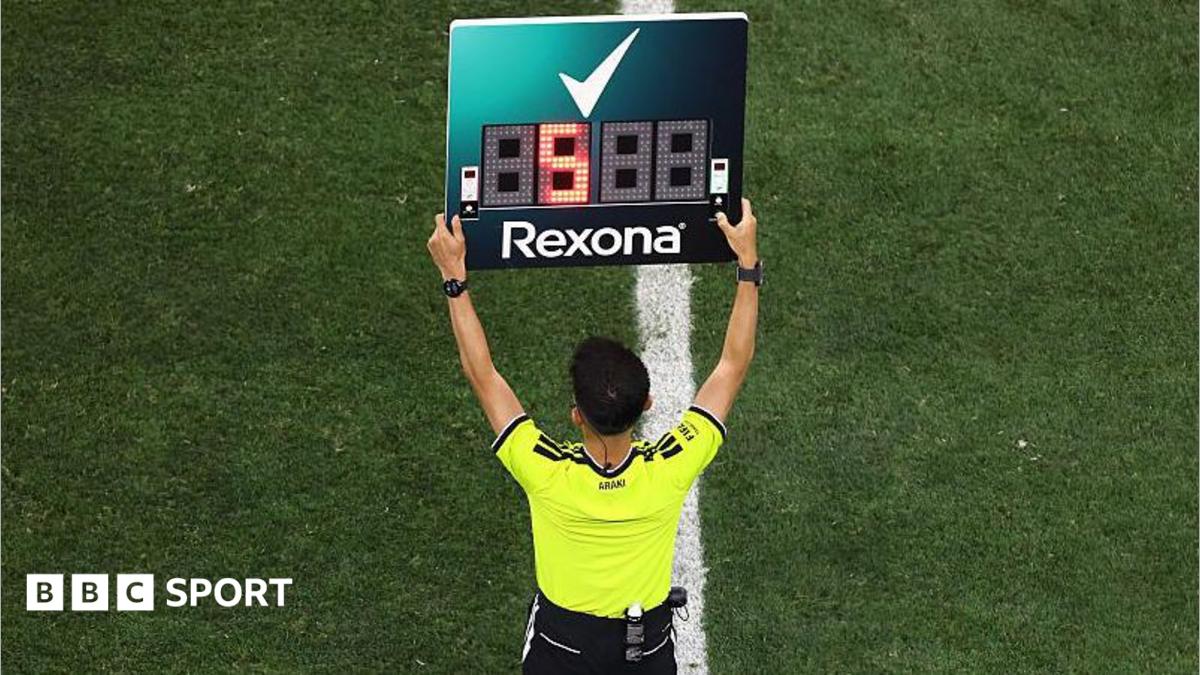
Stoppage time has become one of the most talked-about details at the World Cup, with the fourth official increasingly holding up boards that show double-digit additions at the end of halves. For supporters, that changes the emotional rhythm of a match: a game that once felt close to finished can now carry on long enough for momentum to swing again, or for a late equaliser to arrive when the crowd least expects it.
The BBC’s analysis focuses on why those added minutes are drawing so much attention. The basic issue is simple enough: modern matches contain more interruptions, more time spent on checks and delays, and more reasons for the referee to extend the clock. But the impact is bigger than the numbers on the board. Longer stoppage time can reward teams that stay organised and physically sharp, while punishing sides that switch off after the 90-minute mark.
Why the added minutes matter
At tournament level, every minute carries extra weight because knockout football is often decided by fine margins. A match that appears to be drifting toward a narrow win can suddenly become chaotic if there are ten or more additional minutes to play. That has tactical consequences too. Coaches may delay substitutions, protect tired defenders, or change shape earlier than they normally would, knowing that the final phase of the game may be far longer than expected.
For fans, the change has also altered the viewing experience. The old assumption that a lead was safe once the board went up has been replaced by a more anxious calculation: there may still be enough time for one more attack, one more set piece, or one more mistake. That uncertainty is part of what makes the issue so newsworthy at the World Cup, where the stakes magnify every refereeing decision.
What it means for teams and supporters
Longer stoppage time can favour teams with depth, fitness and game management. Sides that press aggressively for 90 minutes may need to sustain that intensity for much longer, while teams defending a lead must remain disciplined for an extended period. In that sense, the added minutes are not just an administrative detail; they are a competitive factor that can shape results.
For supporters, the debate is likely to continue because stoppage time sits at the intersection of fairness and drama. Some will welcome a more accurate reflection of time lost, while others will feel the game has become harder to read and harder to trust in the closing stages. Either way, the World Cup has turned a once-routine board display into a major talking point.
As the tournament continues, the scrutiny around stoppage time is unlikely to fade. The numbers may be small on the board, but their effect on the match can be enormous.
Source note: This article was prepared using publicly available information from BBC Sport and expanded with editorial context.
Share this content: