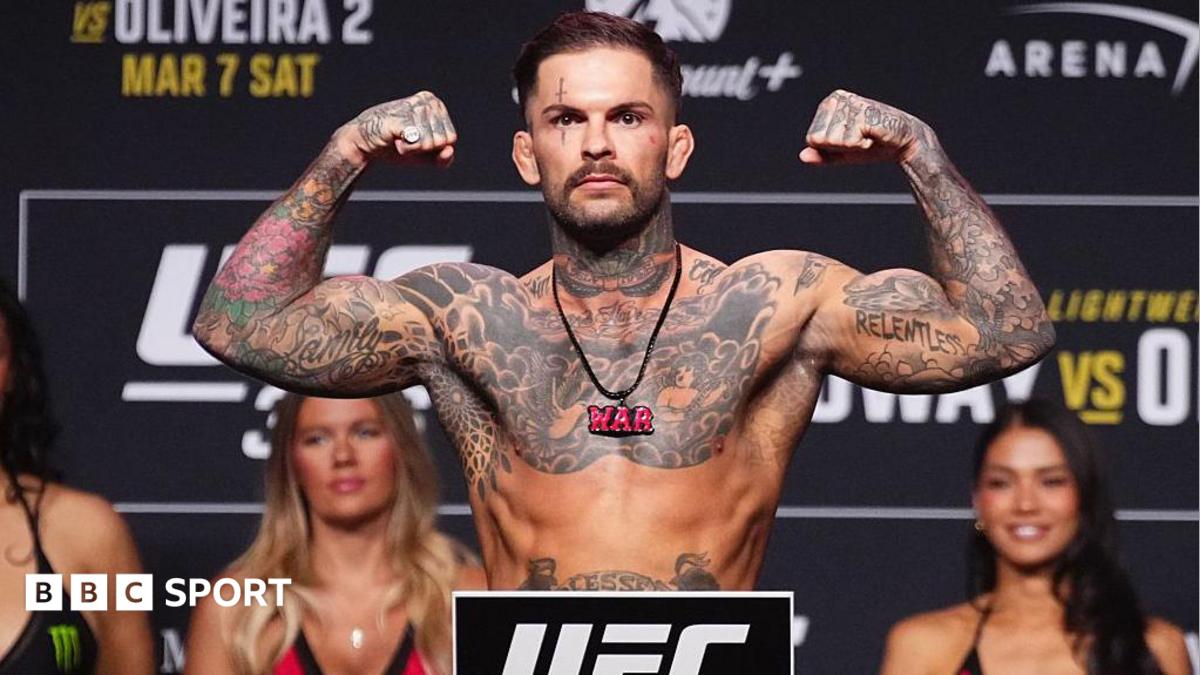
Cody Garbrandt’s latest comments have pushed an important but often overlooked issue back into the spotlight: what happens to fighters when the cage lights go out for the last time. The former bantamweight champion has called on the UFC to offer greater support to athletes as they move into retirement, a reminder that the end of a combat sports career can arrive quickly and with little warning.
While the headline is simple, the underlying issue is not. Mixed martial arts is a sport built on short careers, physical risk and uncertain earning power. For many fighters, the challenge is not only surviving at the elite level, but also preparing for the abrupt shift that comes when competition stops. Garbrandt’s intervention speaks to that reality and to a broader debate about whether the sport’s leading promotion should do more to help athletes navigate life after fighting.
Why Garbrandt’s message matters
Garbrandt is not speaking from the outside. As a former bantamweight champion, he understands the pressures that come with elite-level MMA, where success can be fleeting and the physical toll is significant. His call for more support carries weight because it comes from someone who has experienced the demands of the sport at its highest level.
For supporters, the issue matters because it reflects the human side of MMA that is often overshadowed by rankings, title fights and highlight-reel finishes. Fighters can become major names inside the Octagon, but retirement can leave them facing financial, emotional and professional uncertainty. That makes the conversation around post-career support more than a welfare issue; it is part of the sport’s long-term credibility.
What it means for the UFC and its fighters
The UFC has long been the dominant force in mixed martial arts, but with that position comes scrutiny over how it treats the athletes who build its product. Garbrandt’s comments add to the expectation that the promotion should think beyond fight week and consider the full career arc of its roster. Even without additional details in the report, the message is clear: retirement planning should not be left entirely to fighters themselves.
For the UFC, this is also a reputational issue. As the sport continues to grow, questions about fighter welfare, career transition and long-term support are likely to become more prominent. Garbrandt’s remarks do not solve those problems, but they do sharpen the debate and give fans another reason to look beyond the action and consider the people behind it.
In that sense, the story is less about one interview and more about a recurring pressure point in MMA. Fighters may be celebrated for what they do in the cage, but the sport’s future will also be judged by how it treats them when their careers end.
Source note: This article was prepared using publicly available information from BBC Sport and expanded with editorial context.
Share this content: