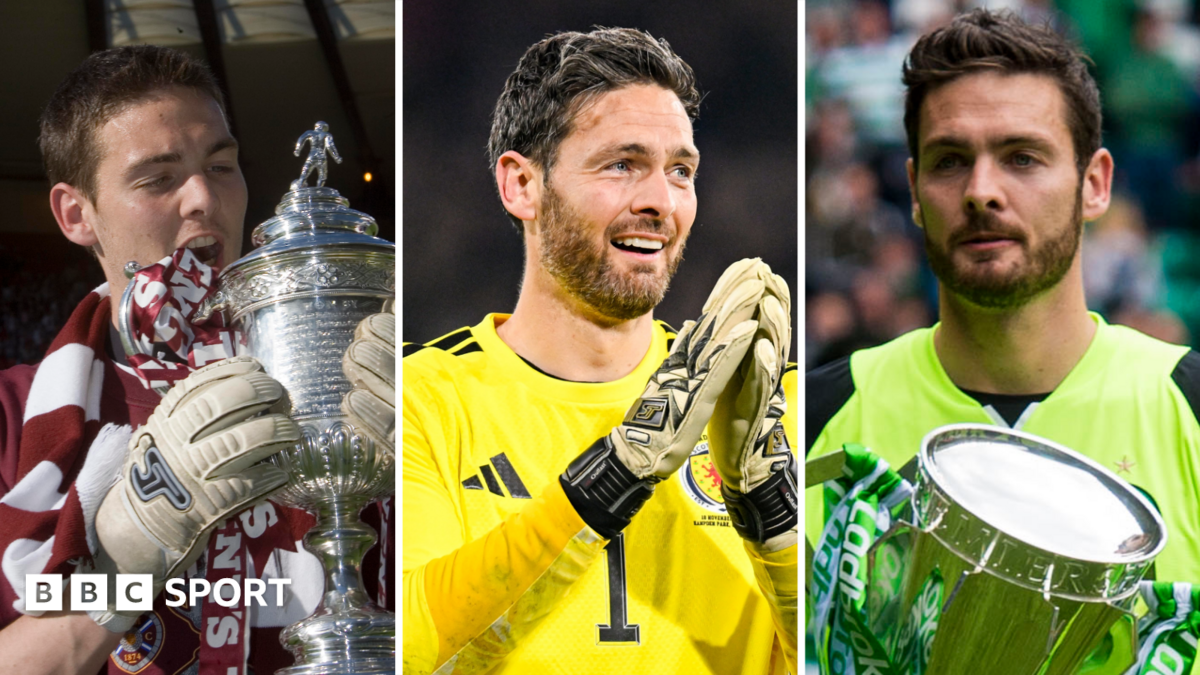
Craig Gordon has brought down the curtain on a 25-year career, ending the run of one of Scottish football’s most recognisable goalkeepers. The announcement closes a story that has stretched across club and international football and leaves Hearts supporters reflecting on the influence of a player who became a defining figure at Tynecastle.
For Scotland fans, Gordon’s retirement also marks the departure of a goalkeeper whose name has been tied to some of the national team’s most significant modern moments. The BBC’s report frames his exit as the end of a long professional journey rather than a sudden farewell, and that matters: careers of this length are rare in the modern game, especially for goalkeepers who have had to adapt to changing tactical demands, sports science and the physical toll of elite football.
A career built on consistency and resilience
Gordon’s longevity is notable not only because he reached the top level, but because he remained relevant across different eras of Scottish football. Goalkeepers are often judged on shot-stopping alone, yet the modern role asks for much more: command of the penalty area, distribution under pressure and the ability to organise a back line. A player who can stay in the conversation for 25 years has usually done more than simply survive; he has adapted.
That is why his retirement will resonate beyond Hearts. Sunderland supporters will remember him from his time in England, while Scotland followers will associate him with the national team’s long search for stability between the posts. Even without adding detail beyond the BBC report, the significance is clear: this is the departure of a senior professional whose career bridged club loyalty and international duty.
What it means for Hearts and Scotland supporters
For Hearts, Gordon’s exit is more than a squad change. It removes a veteran presence and a familiar reference point in the dressing room. Clubs often lose more than saves when a goalkeeper of this stature steps away; they lose experience, authority and a player younger teammates can lean on in difficult moments.
For Scotland, the retirement invites a broader reflection on the generation of players who carried the national side through demanding qualification campaigns and major tournament ambitions. Gordon’s name has long been part of that conversation, and his decision to retire will be felt as the closing of a chapter in the country’s recent football history.
The BBC also links Gordon’s career to a wider feature on his remarkable journey, underscoring how unusual and compelling his story has been. From the perspective of supporters, that is what makes this announcement land with real weight: it is not simply the retirement of a goalkeeper, but the end of a career that has been woven into the identity of club and country.
Source note: This article was prepared using publicly available information from BBC Sport and expanded with editorial context.
Share this content: