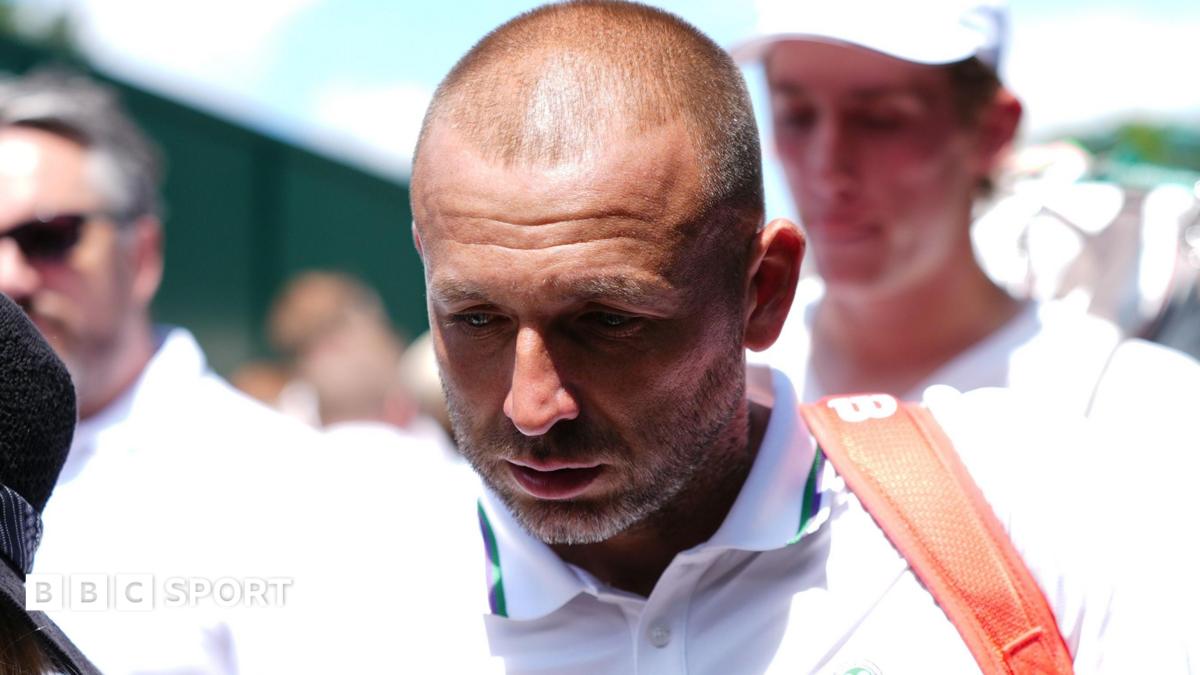
Dan Evans’ Wimbledon story has reached its end, with the British player bowing out after a men’s doubles defeat alongside Henry Searle. The result closed the curtain on a career that has often been defined by resilience, personality and a willingness to deliver in team environments as much as in individual competition.
For supporters, the significance goes beyond one match. Evans has long been one of British tennis’s most recognisable figures, a player whose energy has made him a valued presence in Davis Cup ties and other national-team settings. The BBC source highlighted that same infectious enthusiasm, underlining why his departure feels like the end of an era rather than just another result on a Wimbledon scoreline.
An emotional exit at Wimbledon
Wimbledon has often been the stage where British players are measured most sharply, and Evans’ farewell carried the emotional weight that comes with a home Grand Slam exit. Ending a career in doubles, alongside a younger compatriot in Henry Searle, also adds a generational layer to the moment: one British player stepping away while another continues to build experience on the biggest stages.
That context matters for the wider British game. When a seasoned player like Evans leaves, the immediate question is not only what has been lost in terms of results, but also what has gone in terms of dressing-room presence, tactical know-how and the sort of competitive edge that can help younger players settle into elite events.
What Evans leaves behind
The source specifically points to Evans’ involvement in the Davis Cup, the Olympics and the United Cup, all competitions where his role extended beyond ranking points and prize money. Those events often demand emotional control, adaptability and team chemistry, qualities that can be just as valuable as shot-making in high-pressure tennis.
For Wimbledon followers, the farewell also serves as a reminder of how quickly careers move from one chapter to the next. Evans’ exit will resonate with fans who have followed his ups and downs over the years, because it marks the end of a familiar presence in British tennis and leaves a gap that will now be felt in both singles and doubles conversations around the national game.
As far as the immediate sporting picture is concerned, the match result is secondary to the broader significance of the occasion. Evans’ final Wimbledon appearance was emotional, symbolic and unmistakably personal, and that is why it will be remembered well beyond the scoreline.
Source note: This article was prepared using publicly available information from BBC Sport and expanded with editorial context.
Share this content: