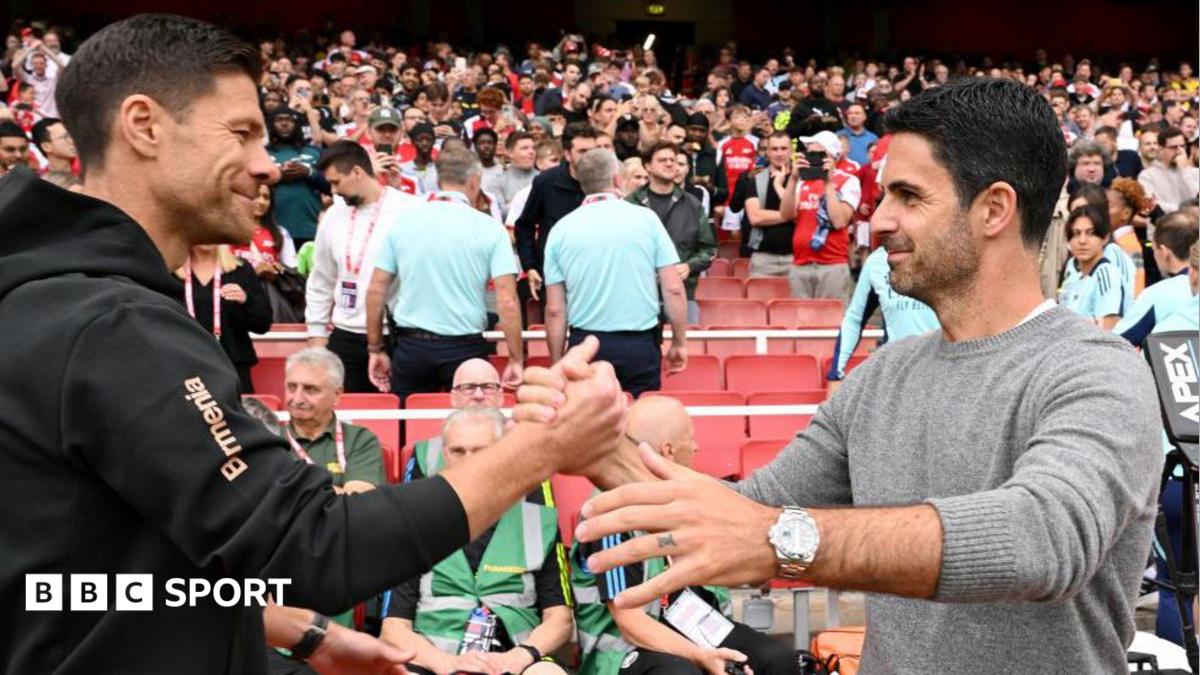
There are football production lines, and then there is the kind of unlikely coaching lineage that turns a tiny Basque club into a footnote with major significance. According to BBC Sport, Mikel Arteta, Xabi Alonso and Andoni Iraola all trace part of their football story back to the same small club in the Basque Country, where they were already sharing a gravel pitch at the age of eight.
That detail matters because it helps explain why these three names keep appearing in conversations about the modern game’s most progressive coaches. Arteta is shaping Arsenal, Alonso has become one of Europe’s most admired young managers, and Iraola has established himself as another Premier League-level tactician with a clear identity. Their shared beginnings suggest more than coincidence: a local football culture that prizes technical development, intelligence and competitive edge from an early age.
A tiny pitch with a big legacy
The BBC’s report underlines how extraordinary it is that one modest club could be linked to three managers now operating at the top of the sport. For supporters, stories like this are a reminder that elite football often begins far away from the glamour of major stadiums and global academies. It can start on rough surfaces, in small communities, where players learn the basics of control, positioning and resilience before they ever enter a professional environment.
That background also gives added context to the way Arteta, Alonso and Iraola are perceived today. All three are associated with structure, detail and a strong footballing philosophy. While their careers have taken different paths, the common thread is a grounding in a region with a deep football identity and a reputation for producing technically assured, tactically aware players and coaches.
What it means for the Premier League
For the Premier League, the connection is especially striking because Arteta and Iraola are already part of the league’s coaching conversation, while Alonso’s rise has made him one of the most closely watched figures in European football. Their shared origin story adds another layer to the growing influence of Spanish and Basque coaching ideas in England.
It also gives fans a useful lens through which to view modern management. The best coaches are rarely shaped only by their current clubs; they are formed by the environments that taught them how to think about the game. In this case, a tiny Basque club has become part of the backstory to three careers that continue to shape elite football.
That is why this is more than a charming anecdote. It is a reminder that football’s biggest ideas can come from the smallest places, and that the pathways to the top are often built long before the trophies, headlines and tactical debates arrive.
Source note: This article was prepared using publicly available information from BBC Sport and expanded with editorial context.
Share this content: