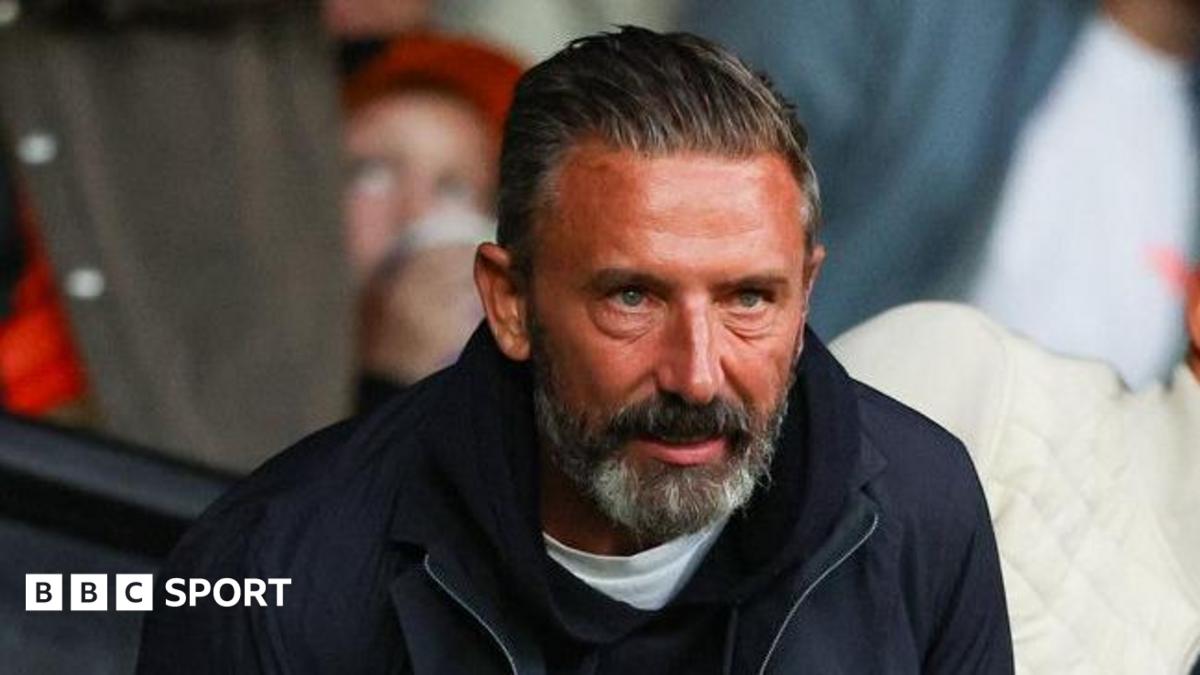
Derek McInnes has been hit with a four-game touchline ban, with one match suspended, after his public criticism of the decision to award Celtic a late penalty at Motherwell. The Scottish FA’s response underlines how closely disciplinary bodies now police comments from managers when they cross from frustration into language judged to be unacceptable.
For Rangers supporters, the headline is not only the punishment itself but the timing and the wider message. Touchline bans can alter the rhythm of a manager’s matchday influence, particularly in tightly contested fixtures where in-game adjustments, emotional control and communication from the technical area matter. Even when a suspension is partially suspended, the sanction is still a warning that the governing body expects restraint in the aftermath of controversial decisions.
Why the ban matters
McInnes’ remark came after Celtic were awarded a late penalty at Motherwell, a moment that clearly provoked a strong reaction. In Scottish football, where Old Firm tensions and refereeing debates often dominate the conversation, disciplinary rulings like this can quickly become part of the broader narrative around officiating standards and managerial conduct. The case also shows how a single post-match comment can carry consequences beyond the immediate controversy.
From a tactical and managerial perspective, a touchline ban can reduce a coach’s direct presence during a match, even if preparation and team selection remain unchanged. The manager’s voice on the sideline, his ability to react to momentum shifts, and his visible leadership are all part of the matchday package. For clubs chasing consistency, that absence can be more than symbolic.
What it means for supporters
Supporters will read this in different ways depending on club loyalties. Rangers fans may see McInnes as speaking bluntly about an incident that felt unjust, while others will view the sanction as a reminder that public criticism of officials has limits. Either way, the episode adds another layer to the ongoing scrutiny around refereeing decisions in Scotland, especially when they involve Celtic and Rangers-linked narratives.
What is clear is that the Scottish FA has drawn a line. McInnes has been punished for the language used, not for the existence of disagreement itself. That distinction matters, because managers across the game regularly question decisions; the issue here is the tone and intensity of the criticism. For clubs and supporters alike, the case is another example of how quickly a flashpoint on the pitch can become a disciplinary issue off it.
As the season moves on, the practical effect of the suspension will depend on when the ban is served and how the suspended element is handled. But the broader lesson is already obvious: in Scottish football, words spoken in the heat of controversy can carry real consequences.
Source note: This article was prepared using publicly available information from BBC Sport and expanded with editorial context.
Share this content: