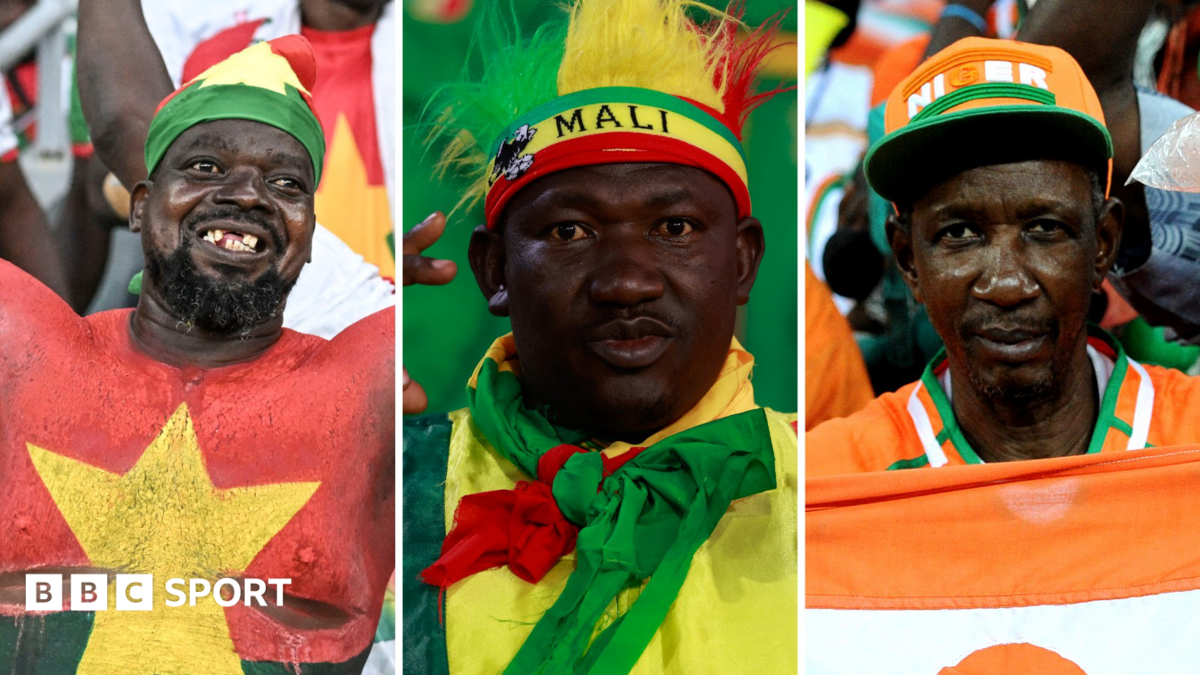
Burkina Faso, Mali and Niger have taken an ambitious step by submitting a joint bid to host the 2032 Africa Cup of Nations. The proposal is notable not only because it involves three neighbouring West African nations, but also because it comes from countries currently led by military governments, adding a political dimension to a tournament bid that is usually judged first on infrastructure, security and delivery capacity.
For supporters across the region, the bid carries obvious symbolic weight. The Africa Cup of Nations is the continent’s flagship international competition, and a successful campaign would give fans in the Sahel a rare chance to experience the tournament on home soil. That matters in football terms as much as in cultural terms: hosting AFCON can accelerate stadium development, improve transport links and leave a legacy for domestic leagues and youth football, provided the project is properly funded and managed.
What the bid means for AFCON 2032
At this stage, the BBC report confirms only that the three countries have submitted a joint bid. The next phase will be about whether their proposal can convince decision-makers that the region can stage a tournament of this scale. In modern tournament bidding, the key questions are rarely about football alone. Organisers must demonstrate that venues, training sites, accommodation, security planning and travel logistics can all be delivered to the standard required by the Confederation of African Football.
Joint bids can be attractive because they spread the financial burden and allow countries to combine resources. They can also be complicated, especially when the host nations need to coordinate across borders and present a unified plan. For Burkina Faso, Mali and Niger, the challenge will be to show that the project is more than a political statement and can stand up to practical scrutiny.
Why this matters to supporters
For fans of football in West Africa, the bid is a reminder that the continent’s biggest events are increasingly being used as tools for regional visibility and development. If successful, AFCON 2032 would place the spotlight on a part of Africa that has produced passionate supporters and talented players but has not always been central to the hosting map of major tournaments.
There is also a wider sporting implication. A successful bid could encourage investment in facilities and administration that benefits the game beyond the tournament itself. Even if the bid does not win, the process can still force long-term planning and expose the gaps that need to be addressed before a future attempt.
For now, the story is straightforward: Burkina Faso, Mali and Niger are in the race for AFCON 2032, and their joint bid will be judged on whether it can offer a credible, secure and sustainable home for African football’s premier international competition.
Source note: This article was prepared using publicly available information from BBC Sport and expanded with editorial context.
Share this content: