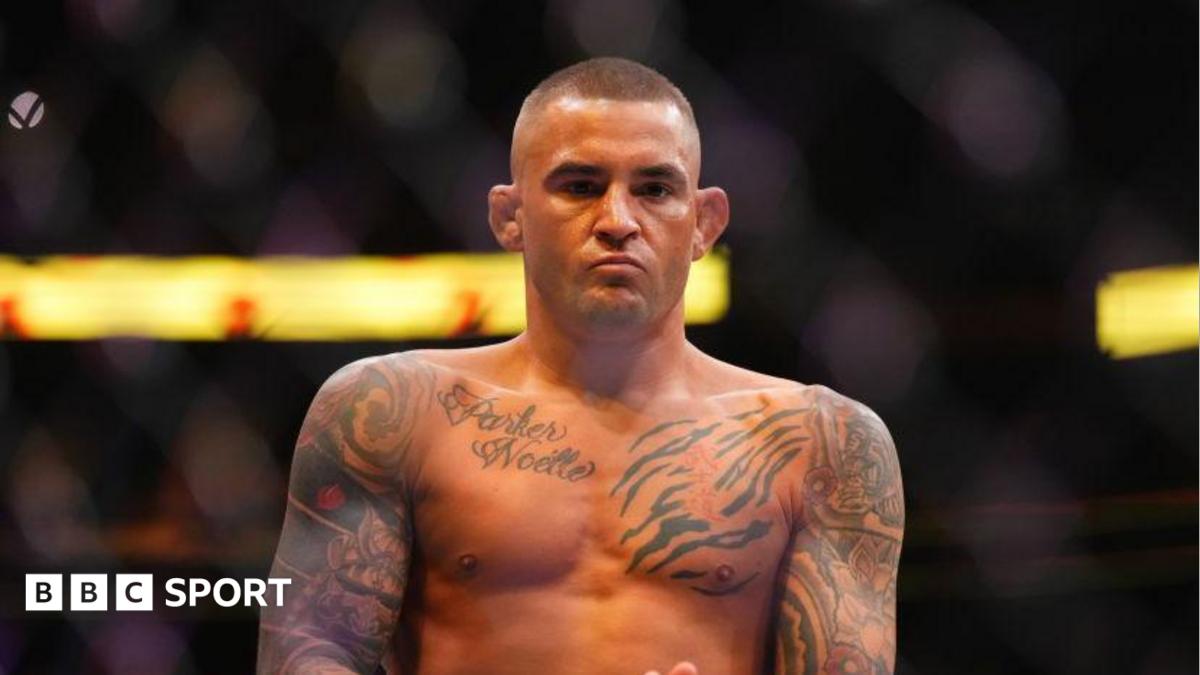
Dustin Poirier’s arrest for alleged public drunkenness has shifted attention away from the cage and back onto the personal pressures that can follow a long career in elite combat sports. According to BBC Sport, the UFC icon said he is “at the point where I need some help,” a candid admission that gives the story more weight than a routine off-field incident.
For supporters, the immediate concern is not competitive form but wellbeing. Poirier has long been one of the UFC’s most recognisable figures, a fighter whose reputation has been built on resilience, high-level opposition and a willingness to take on the sport’s toughest assignments. When a name like his appears in a story about arrest and alcohol-related behaviour, it inevitably prompts a wider conversation about the strain that accompanies fame, physical punishment and the constant cycle of preparation and recovery.
Why this matters beyond the arrest
In combat sports, public incidents often become shorthand for deeper issues. Fighters are expected to project toughness, yet the demands of training camps, weight cuts, travel, media obligations and the emotional aftermath of competition can create a difficult environment away from fight night. Poirier’s acknowledgement that he needs help suggests the situation should be viewed through a health lens as much as a disciplinary one.
That is especially relevant for a veteran athlete whose profile extends beyond results. Poirier has been a central figure in UFC conversation for years, and any personal setback involving him carries significance for the promotion, his fanbase and the broader sport. Even without additional details in the report, the fact that he has spoken openly about needing support is notable. It indicates an awareness that the issue should not be ignored or reduced to a headline.
What supporters will be watching next
The next stage will depend on what support Poirier seeks and how the situation is handled publicly. For now, the key takeaway is that the fighter himself has signalled a need for help, which makes this more than a passing controversy. In modern sport, that kind of admission can be the first step toward stabilising a difficult period, and it is likely to shape how fans, media and the UFC respond in the coming days.
For Goal Sports News readers, the story is a reminder that even established stars can face problems away from competition. The sporting context matters, but so does the human one. Poirier’s words suggest that the priority now is support, not speculation.
Source note: This article was prepared using publicly available information from BBC Sport and expanded with editorial context.
Share this content: