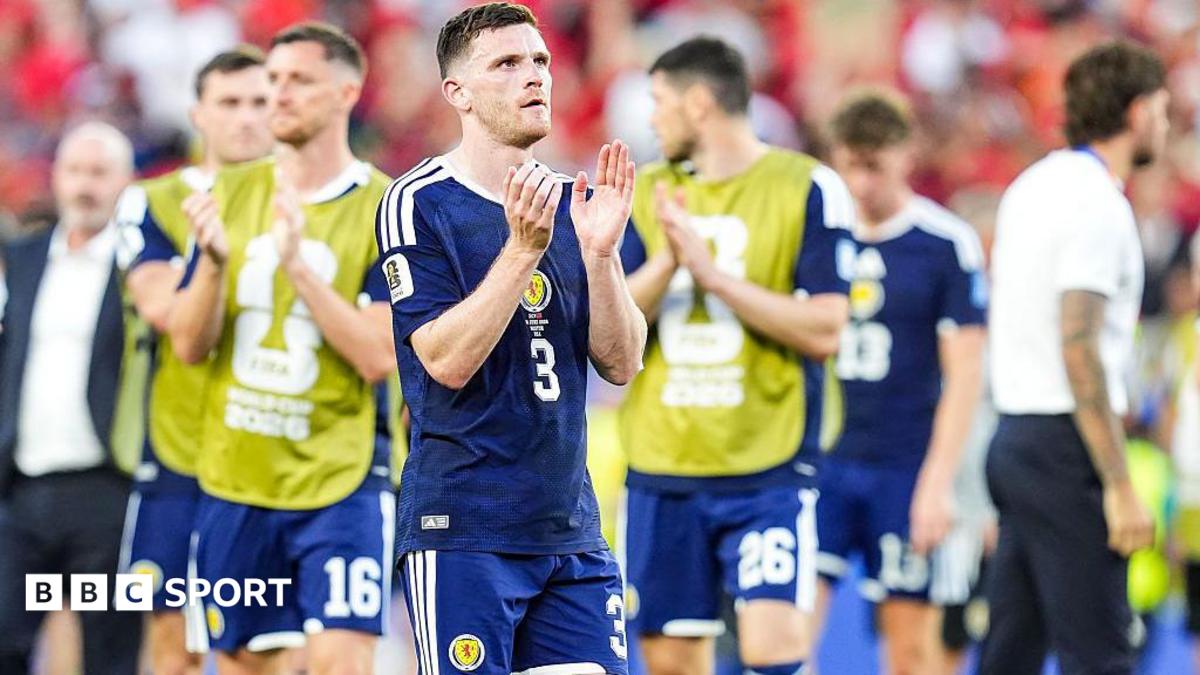
Scotland’s route through a major tournament is no longer defined only by finishing first or second in the group. Under the expanded World Cup format, third place can still be enough to move on, which changes the calculation for teams, supporters and coaches alike. BBC Sport’s latest piece focuses on exactly that question: what are Scotland’s chances of progressing if they finish third?
Why third place now matters more
The headline change is structural. With 32 of the 48 teams advancing to the knockout rounds, the margin for error is far wider than in previous World Cups. That does not make qualification automatic, but it does mean a team can recover from an uneven group stage and still remain alive in the tournament. For Scotland, that creates a very different strategic picture: every point, every goal and every goal difference swing could shape whether third place is good enough.
For supporters, this is both encouraging and nerve-racking. Encouraging because the expanded format gives Scotland a realistic safety net; nerve-racking because it also introduces a new layer of table-watching, tiebreakers and scenario planning. In practical terms, the group stage becomes less about a simple binary of qualify or fail and more about accumulating enough value across three matches to stay inside the wider ranking of third-placed teams.
What it means for Scotland
Scotland’s prospects in any such system depend not just on results, but on how those results are achieved. A narrow defeat can still be damaging, while a draw or a single win may carry significant weight if the rest of the group is tightly packed. That is why third-place qualification often rewards teams that remain disciplined, limit damage against stronger opponents and take points from the matches most likely to be decisive.
From a tactical perspective, that can influence how Scotland approach their group games. Teams in this position often balance caution with ambition: they cannot afford to chase matches recklessly, but they also cannot sit too deep and surrender control. The expanded format increases the value of game management, set-piece efficiency and defensive concentration, because those details can decide whether a side finishes inside the qualifying third-place bracket.
BBC Sport’s predictor-game framing also reflects how modern tournament coverage has changed. Fans are not only reading about permutations; they are actively testing them. That interactive angle underlines how the expanded World Cup has made qualification mathematics part of the entertainment. For Scotland supporters, the key takeaway is simple: third place is no longer a dead end, and that alone keeps more paths open deeper into the tournament.
Still, the broader lesson is that Scotland cannot rely on the format alone. The new rules improve the odds, but they do not remove the need for strong performances. If Scotland are to benefit from the third-place route, they will need to be efficient, resilient and alert to the fine margins that separate a short stay from a knockout-round place.
Source note: This article was prepared using publicly available information from BBC Sport and expanded with editorial context.
Share this content: