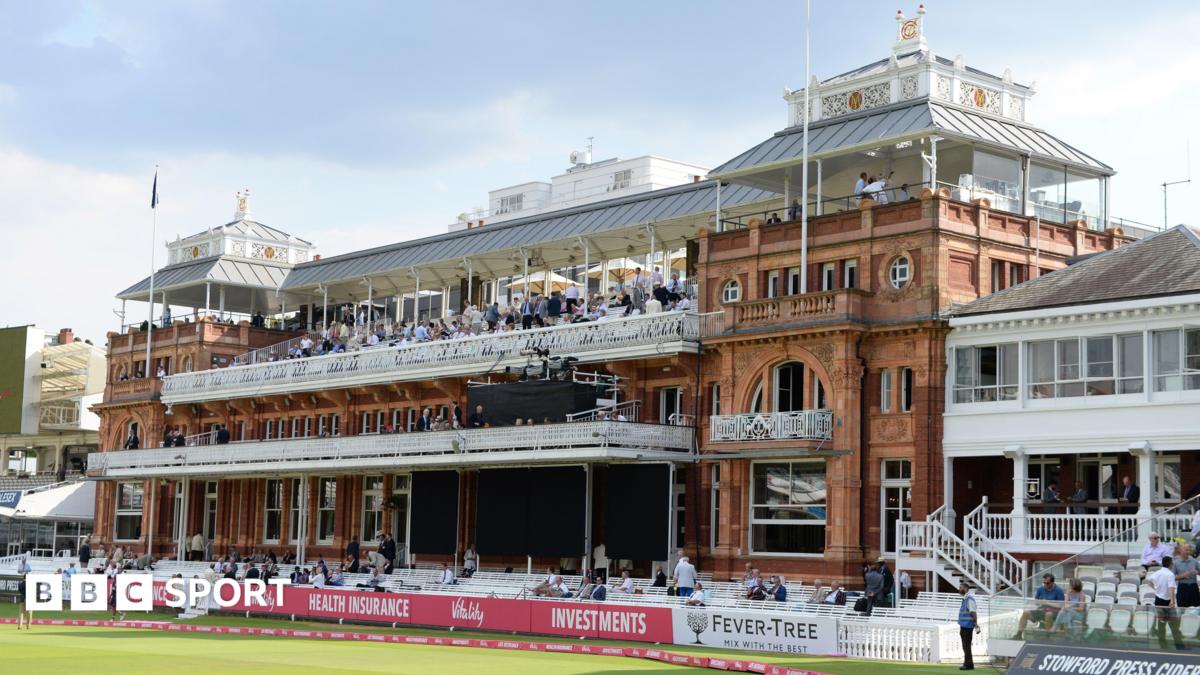
The England and Wales Cricket Board has blocked plans to stage the final of a T20 tournament for European nations at Lord’s, a decision that immediately raises questions about how emerging international competitions are positioned within the English cricket calendar and venue hierarchy.
Lord’s is one of the most recognisable grounds in world cricket, and any proposal to host a final there carries obvious symbolic weight. For developing nations in Europe, the chance to finish a tournament at such a venue would have offered prestige, visibility and a strong commercial hook. The ECB’s intervention suggests that, for now, those benefits were not enough to overcome whatever concerns sat behind the proposal.
Why the venue matters
In cricket, venue selection is never just about geography. It affects broadcast value, ticketing, travel logistics and the message a competition sends about its status. A final at Lord’s would have elevated the event, but it would also have placed a relatively small tournament into a setting usually reserved for the sport’s biggest occasions. That tension is often at the heart of disputes over where finals should be played.
For supporters of the teams involved, the decision is likely to be disappointing. Finals are supposed to be the showcase moment of a tournament, and the venue can shape the atmosphere as much as the cricket itself. A move away from Lord’s may feel like a missed opportunity to give the competition a marquee finish, even if the ECB believes the alternative is more appropriate.
What this means for European cricket
The broader issue is the growth of cricket across Europe. T20 formats have become the most accessible pathway for new and emerging nations because they are shorter, easier to schedule and more commercially adaptable than longer formats. A final at Lord’s would have been a statement of intent about the game’s expansion beyond its traditional centres.
Instead, the ECB’s refusal points to the ongoing challenge of balancing tradition with development. Established boards must decide how much space to give to smaller tournaments and how far to go in lending their most famous venues to competitions still building their identity. That debate is likely to continue, especially as European cricket looks for ways to attract attention, funding and legitimacy.
For now, the headline is simple: Lord’s will not host the final. But the implications are bigger than one venue decision. They speak to the politics of access in cricket, the value of prestige in tournament design and the obstacles that still face emerging international events trying to break into the mainstream.
Source note: This article was prepared using publicly available information from BBC Sport and expanded with editorial context.
Share this content: