Grass has a way of exposing the smallest gaps in a player’s game. That is why Wimbledon often produces a different kind of story from the rest of the tennis calendar: the players who can adapt quickly to the surface usually gain a major edge, while those still searching for timing and confidence can look a step behind almost immediately.
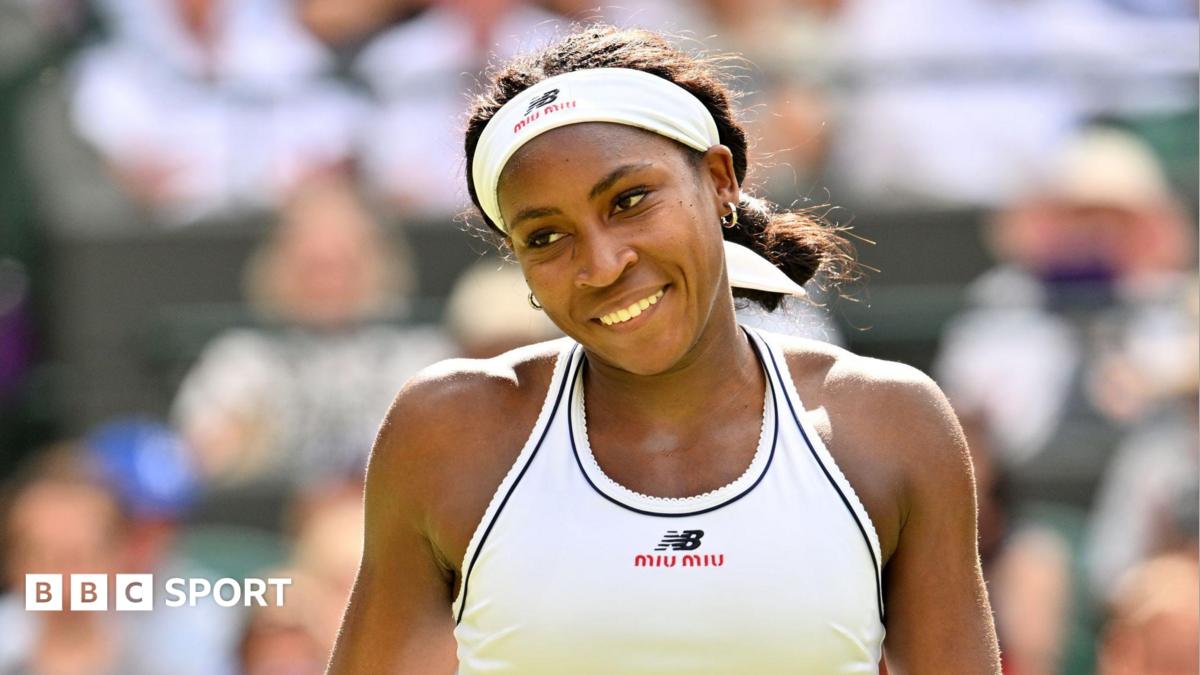
BBC Sport’s latest analysis of the Wimbledon semi-finalists focuses on that adjustment period, asking how the leading players have found their feet on grass. The headline example is Coco Gauff, who has openly admitted that she has never had the best relationship with the surface. That matters because grass rewards clean first strikes, balance on the move and the ability to take the ball early — all areas that can feel less natural to players who are more comfortable on clay or hard courts.
Why grass changes the tactical picture
Unlike slower courts, grass can shorten rallies and reduce the time available to reset after serve or return. For semi-finalists, that means success is not only about talent, but about how quickly they have solved the surface-specific problems: lower bounce, faster points and less margin for error. Players who arrive at Wimbledon with confidence in their movement and serve placement often look transformed within a week.
That is what makes this stage of the tournament so revealing. By the semi-finals, the field is no longer about reputation alone. It is about who has adapted best under pressure, who has found a repeatable pattern on serve and return, and who is making grass look less like a challenge and more like an advantage.
What it means for Gauff and the other contenders
For Gauff, the grass-court question is especially important because her all-court athleticism gives her a high ceiling, but the surface can still test her shot tolerance and decision-making. If she is moving well and striking the ball early, she becomes far more dangerous. If not, grass can magnify hesitation.
For supporters, the broader takeaway is that Wimbledon remains the most surface-sensitive major in tennis. Form on grass can change quickly, and the players who survive into the final rounds are often the ones who have made the smartest tactical adjustments rather than the ones who simply arrived with the biggest reputation. BBC Sport’s piece captures that reality well: at Wimbledon, finding your feet on grass is often the difference between a promising run and a title challenge.
Source note: This article was prepared using publicly available information from BBC Sport and expanded with editorial context.
Share this content: