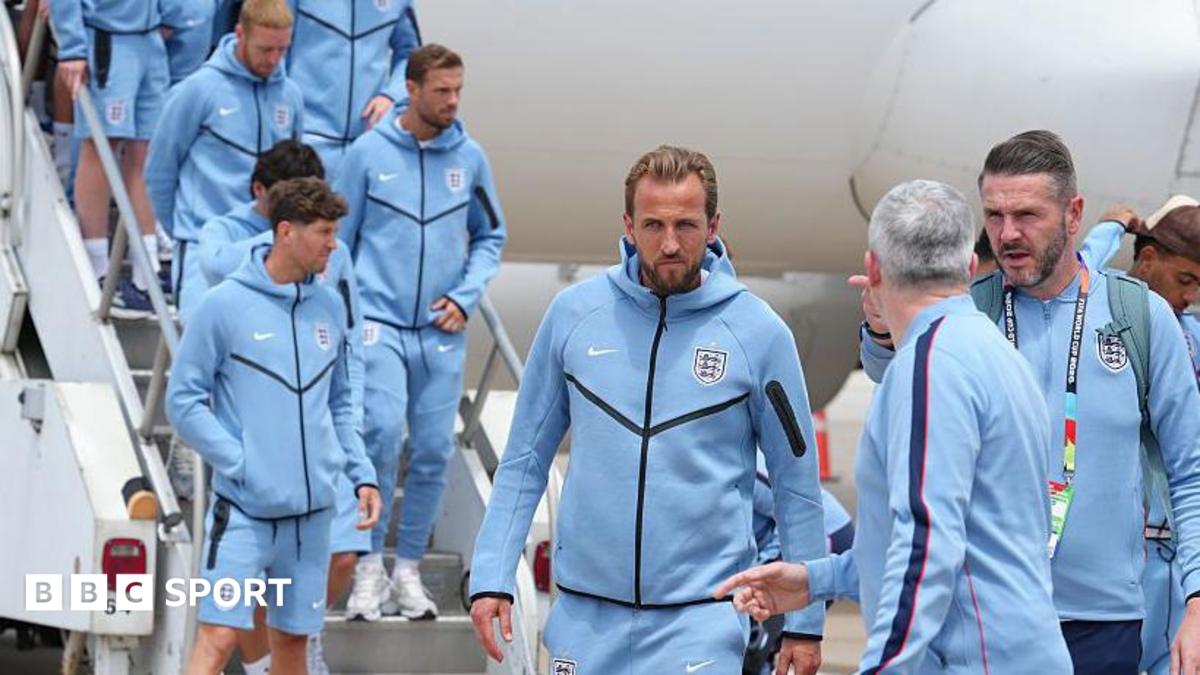
England’s place among the World Cup semi-finalists comes with an unusual statistical backdrop: they have reportedly logged more air miles than any of the other teams still in the tournament. In a competition spread across three countries and 16 host cities, travel has become part of the sporting equation, not just the logistical one.
That matters because modern tournament football is built on fine margins. Recovery windows are short, training time is limited and every extra hour spent in transit can affect how a squad prepares for the next match. For England, the question is not simply how far they have travelled, but whether the cumulative burden of movement changes the rhythm of their campaign.
Why travel is a tactical issue, not just a scheduling detail
At a World Cup of this scale, travel can influence more than tired legs. It can shape how coaches manage sessions, how players recover between games and how much time is available to work on set pieces, pressing triggers and opponent-specific plans. Teams that move less often may enjoy a more stable routine, while those covering greater distances must adapt to changing conditions more frequently.
England’s air-mile tally therefore becomes a useful lens through which to view the tournament. It does not automatically predict success or failure, but it does underline the physical and organisational demands placed on a squad trying to peak at the right moment. Supporters often focus on form, finishing and defensive structure; in tournaments like this, travel can sit quietly in the background while still affecting all three.
What it means for England and their supporters
For England fans, the headline is less about complaint and more about context. If the team advances, they will do so having navigated one of the more demanding logistical paths in the competition. That can become part of the narrative around resilience, especially if performances remain sharp despite the miles.
There is also a broader point about how World Cups are changing. With host venues spread across vast distances, the old idea of a compact tournament base no longer applies in the same way. Teams must now balance footballing preparation with travel management, and the side that handles both best may gain an edge when the pressure rises.
BBC Sport’s framing of the issue is timely because it asks the right question: does travel matter? The honest answer is that it can, even if it is rarely the only factor. In a knockout tournament, where recovery and precision are everything, England’s air miles may not decide a match on their own — but they are part of the story of how far a team has to go to win it.
Source note: This article was prepared using publicly available information from BBC Sport and expanded with editorial context.
Share this content: