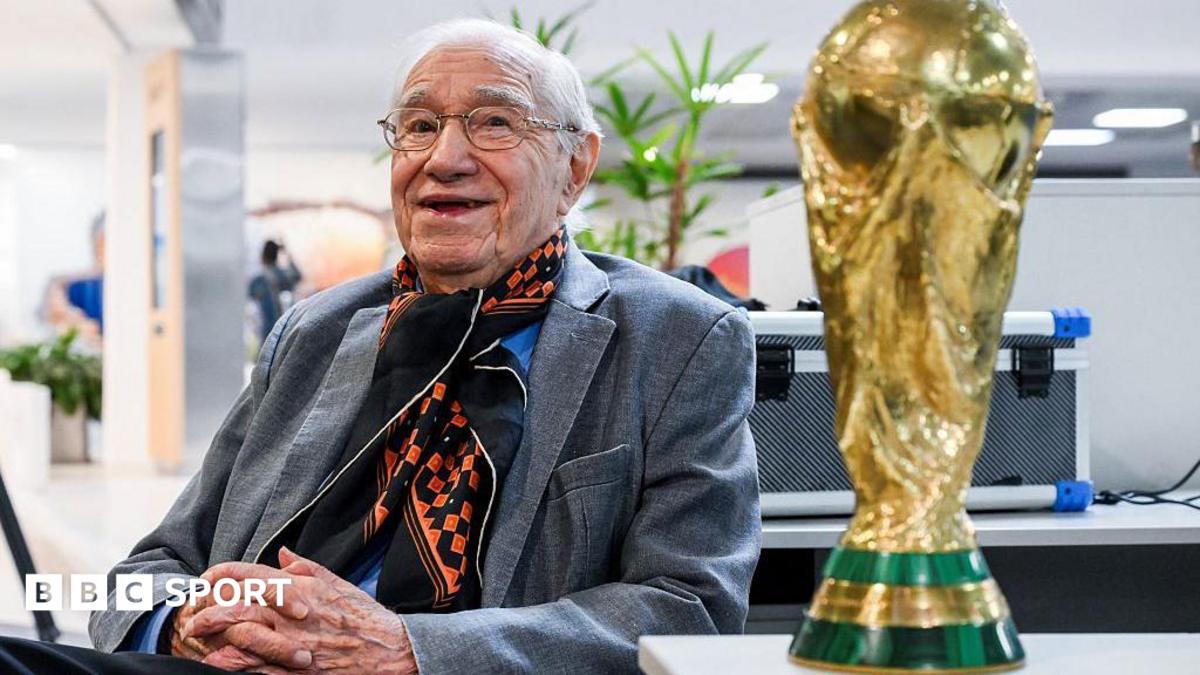
Enrique Macaya Marquez is not a player, coach or transfer target, but his presence at the World Cup is a reminder that football’s biggest tournament is also a stage for memory, continuity and national identity. The BBC’s profile of the 91-year-old Argentine journalist focuses on a remarkable career milestone: he is covering his 18th World Cup, a figure that places him among the most enduring voices in the game’s modern history.
In an era when football coverage is increasingly driven by instant reaction, social media clips and short-form analysis, Marquez represents a different kind of authority. His longevity matters because it connects generations of supporters to the same competition across decades of change. For Argentina, a country where football is deeply woven into public life, a veteran journalist like Marquez is more than a reporter; he is part of the tournament’s cultural fabric.
A living link to World Cup history
The BBC piece highlights how much attention Marquez attracts, noting that people want photographs with him. That detail says as much about football fandom as it does about journalism. Supporters are not only drawn to stars on the pitch; they also recognise figures who have documented the sport across eras, from older World Cups to the modern global event.
Covering 18 World Cups is extraordinary by any standard. It suggests a career that has spanned tactical revolutions, changing media technology and the rise of football as a worldwide entertainment industry. While the source does not provide a full career timeline, the headline fact alone is enough to show why Marquez commands respect: he has witnessed more of the tournament’s evolution than almost anyone still active in the profession.
Why this matters beyond the press box
For supporters, stories like this offer a useful counterbalance to the transfer market and match-day noise that dominate football coverage. They remind readers that the sport is built not only on results but also on people who preserve its history. A journalist who has followed 18 World Cups becomes a repository of context, and that context is valuable in a sport where every tournament is quickly framed as unprecedented.
There is also a broader editorial point. Football media often focuses on the next big thing, whether that is a young player, a managerial appointment or a transfer saga. Marquez’s profile shows the opposite: longevity, consistency and accumulated perspective. That makes the story relevant to readers who want more than headlines. It is about the human side of football reporting and the way the game’s narratives are carried from one generation to the next.
In practical terms, the BBC’s feature is a celebration of endurance. For Argentina fans, it is a source of pride that one of their own remains visible on the world stage. For neutral supporters, it is a chance to appreciate the people who help football remember itself.
Source note: This article was prepared using publicly available information from BBC Sport and expanded with editorial context.
Share this content: