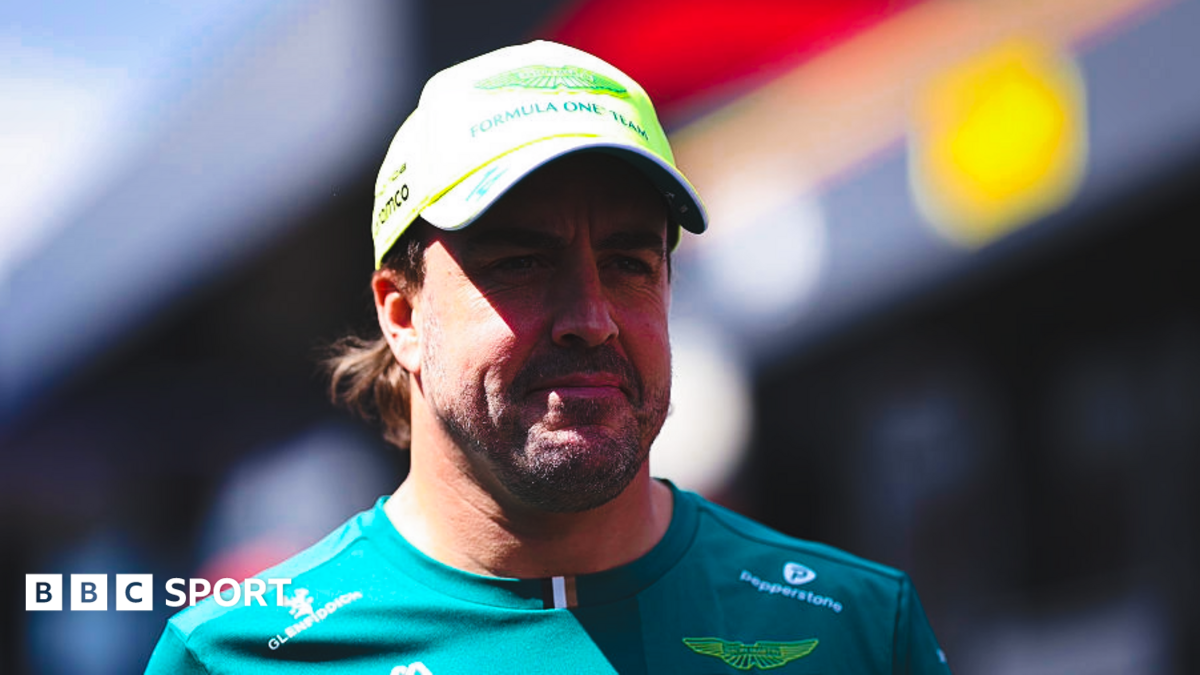
Fernando Alonso has offered a carefully balanced verdict on Aston Martin’s latest development push, saying he is optimistic about the major upgrade arriving at the Hungarian Grand Prix while also warning supporters not to expect an instant transformation. In Formula 1, that kind of language matters: it suggests the team believes it has a meaningful step available, but also understands how often upgrade packages promise more than they deliver on track.
Aston Martin’s upgrade arrives at a key moment
The timing is important. Mid-season upgrades are often decisive in the battle for momentum, especially for teams trying to close the gap to the front or protect their position in the midfield. For Aston Martin, a team that has spent recent seasons trying to establish itself as a consistent front-running force, the Hungarian Grand Prix package represents more than just a technical update. It is a test of whether the team can still extract performance gains in a tightly packed field.
Alonso’s comments also reflect the reality of modern F1 development. A new floor, bodywork change or aerodynamic revision can improve balance, tyre usage and confidence, but the effect depends on how well the car suits the circuit and how quickly the team can optimise the setup. That is why drivers often avoid overpromising before a race weekend. The margin between a genuine breakthrough and a modest gain can be very small.
What it could mean for Alonso and Aston Martin
For Alonso, the upgrade has broader implications than a single result in Hungary. At this stage of his career, he remains one of the sport’s most experienced and demanding drivers, and his future prospects are naturally tied to whether Aston Martin can provide a car capable of regular progress. If the upgrade works, it could strengthen belief that the project still has upward momentum. If it falls short, questions about the team’s longer-term trajectory will only grow louder.
Supporters will be looking for signs that the update changes the car’s underlying competitiveness rather than simply improving one-lap pace. In a season where small gains can reshape the order, even a modest step forward can matter if it helps Aston Martin score more consistently or fight more effectively in race trim. But Alonso’s caution is a reminder that F1 development is rarely linear, and that one upgrade rarely decides a driver’s future on its own.
What is clear is that Aston Martin have reached a pivotal point. The Hungarian Grand Prix will not just measure the success of a technical package; it will also offer an early indication of whether the team can turn optimism into evidence. For Alonso, that distinction is crucial. He is open to the possibility that the upgrade can help, but he is not pretending it will solve everything.
Source note: This article was prepared using publicly available information from BBC Sport and expanded with editorial context.
Share this content: