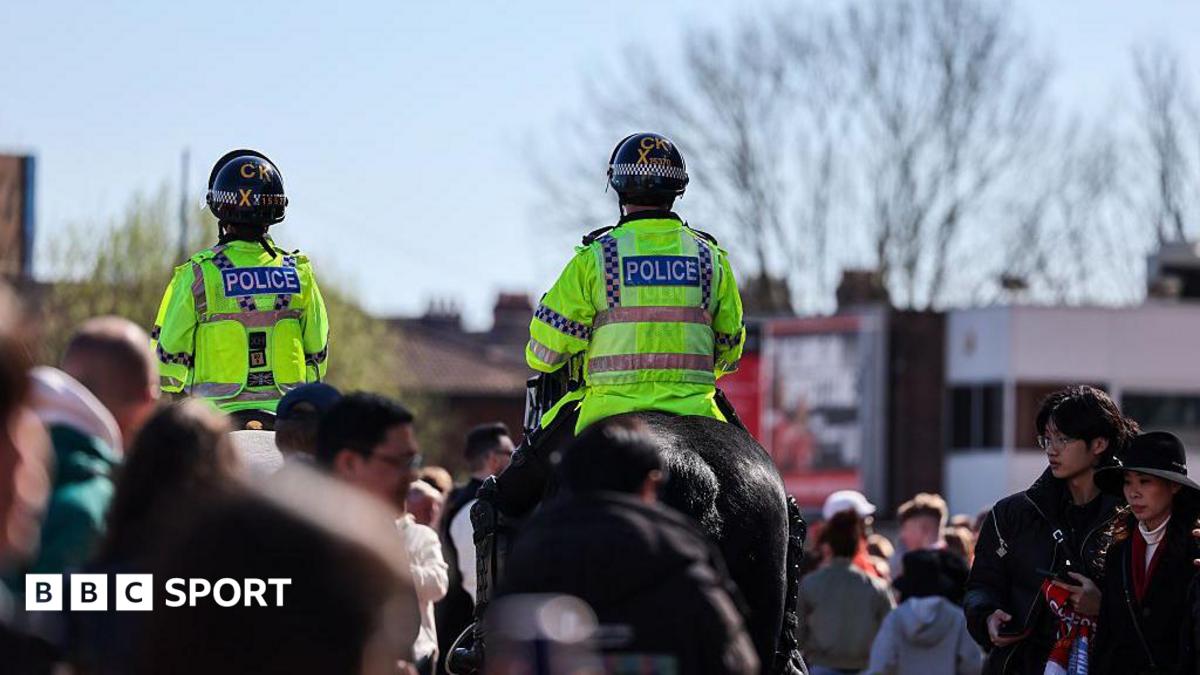
Football’s financial responsibilities are back under the spotlight after clubs were urged to contribute more to the cost of match policing. The argument is not just about accounting; it goes to the heart of how the game is funded and who should carry the public cost of keeping supporters safe on matchdays.
For many supporters, policing is one of those hidden parts of the football experience that only becomes visible when the bill is discussed. Yet the scale of the operation around fixtures, particularly where crowd control, transport links and local disruption are factors, means the cost can be significant. The latest call is designed to ease that pressure on taxpayers and push clubs to shoulder a larger share of the burden.
Why the debate matters for football
This is not a new argument, but it remains a sensitive one. Clubs already operate in a sport where matchday income, broadcast money and commercial revenue are tightly scrutinised, and any suggestion of extra costs will inevitably raise questions about how lower-league sides in particular could absorb them. At the same time, the public case for change is straightforward: football is a private industry with public-order consequences, and those consequences are currently being funded in part by the wider public.
The issue also has a tactical and operational dimension for clubs themselves. More expensive policing arrangements could influence fixture planning, stewarding strategies and the way clubs work with local authorities and police forces. For clubs with large travelling followings or a history of high-risk fixtures, the financial implications could be more pronounced than for others.
What supporters should take from the proposal
For supporters, the immediate concern is whether any change would eventually feed through to ticket prices or matchday costs. That is the central tension in the debate: if clubs are asked to pay more, they may look for ways to offset the expense, even if no one wants fans to bear the full impact. The discussion therefore sits at the intersection of safety, fairness and football’s broader economic model.
The BBC report does not set out a final policy change, but it does capture a growing expectation that clubs should contribute more directly to the policing costs generated by their matches. If that view gains traction, it could reshape a long-running arrangement and force football to confront a question that has often been pushed onto the public purse.
For now, the story is less about a single club or fixture and more about the direction of travel. Football continues to generate enormous revenue, and with that comes renewed scrutiny over whether the game is paying its fair share for the infrastructure and security that make matchdays possible.
Source note: This article was prepared using publicly available information from BBC Sport and expanded with editorial context.
Share this content: