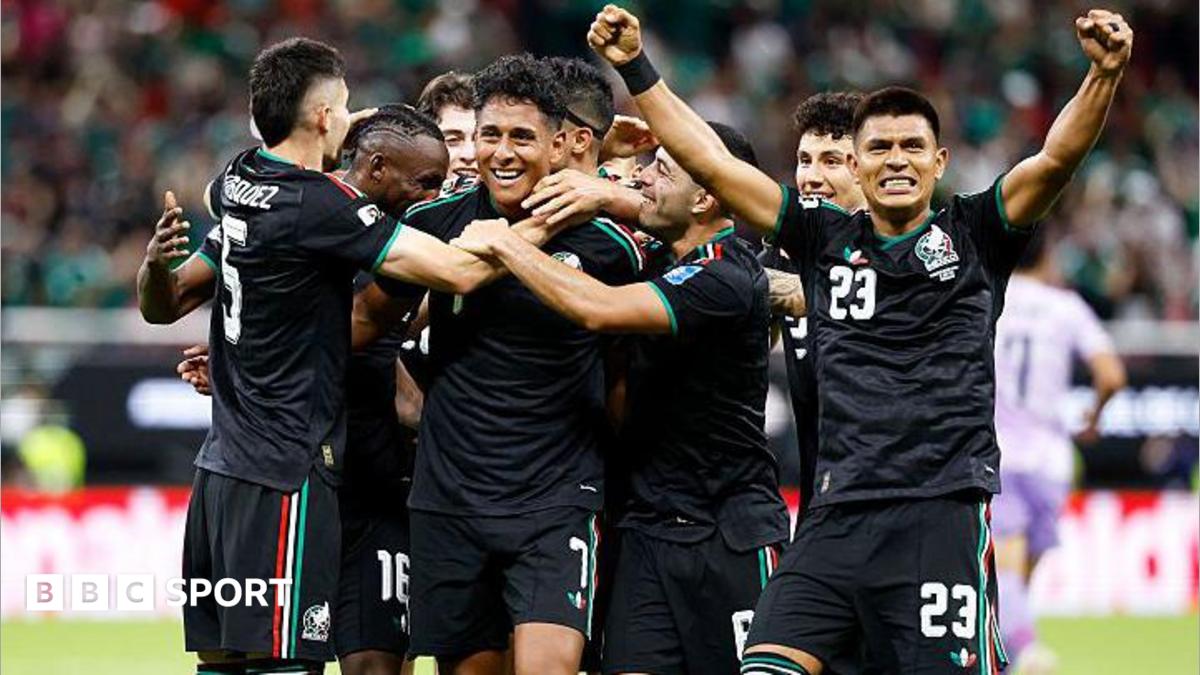
FIFA’s latest adjustment to how group tables are ordered at the 2026 World Cup may sound minor on paper, but tournament football is often decided by the smallest margins. According to BBC Sport, the change could have a meaningful effect on how teams approach the final round of group fixtures, where goal difference, discipline and tie-break scenarios can determine who advances and who goes home.
For supporters, this matters because the World Cup group stage is not just about winning matches. It is also about managing risk, preserving energy and understanding how a single late goal can alter the entire knockout route. A revised table-ordering method can influence whether a team pushes for one more goal, settles for a narrow lead or protects a result with qualification already in sight.
Why the table change matters
In modern international tournaments, the structure of the standings can shape tactics as much as the opponent does. Coaches and analysts spend days mapping out possible outcomes, and any change to the way tables are calculated forces a rethink. That is especially true in a World Cup expanded to include more teams and more complex qualification pathways, where the final group games can become a chess match of simultaneous results.
The BBC report suggests the adjustment is subtle, but subtle changes are often the ones with the biggest competitive consequences. Teams that previously might have prioritised goal difference or late-game control may now need to reassess how they balance attacking ambition against defensive security. For smaller nations in particular, that can affect how they approach matches against stronger opposition, especially if a single point or a single goal could decide progression.
What it means for teams and supporters
From a tactical point of view, the most important effect is uncertainty. Managers prefer clarity, especially in tournament football, because it allows them to plan substitutions, game states and rotation with precision. If the table logic changes, even slightly, the final minutes of group-stage games could become more volatile, with teams chasing different outcomes depending on live standings elsewhere.
For fans, the upside is obvious: more drama, more tension and more scenarios to follow. But there is also a practical side. Supporters travelling to the 2026 World Cup will want to understand not only who their team plays, but what result is needed to progress and how that result is judged. In a competition where the margins are already thin, FIFA’s tweak could make the difference between a cautious finish and a full-throttle push for qualification.
BBC Sport’s report underlines a familiar truth about tournament football: the rules around the competition can be just as important as the teams competing in it. If the table format changes the incentives in the final group matches, then coaches, players and supporters will all need to adapt quickly.
Source note: This article was prepared using publicly available information from BBC Sport and expanded with editorial context.
Share this content: