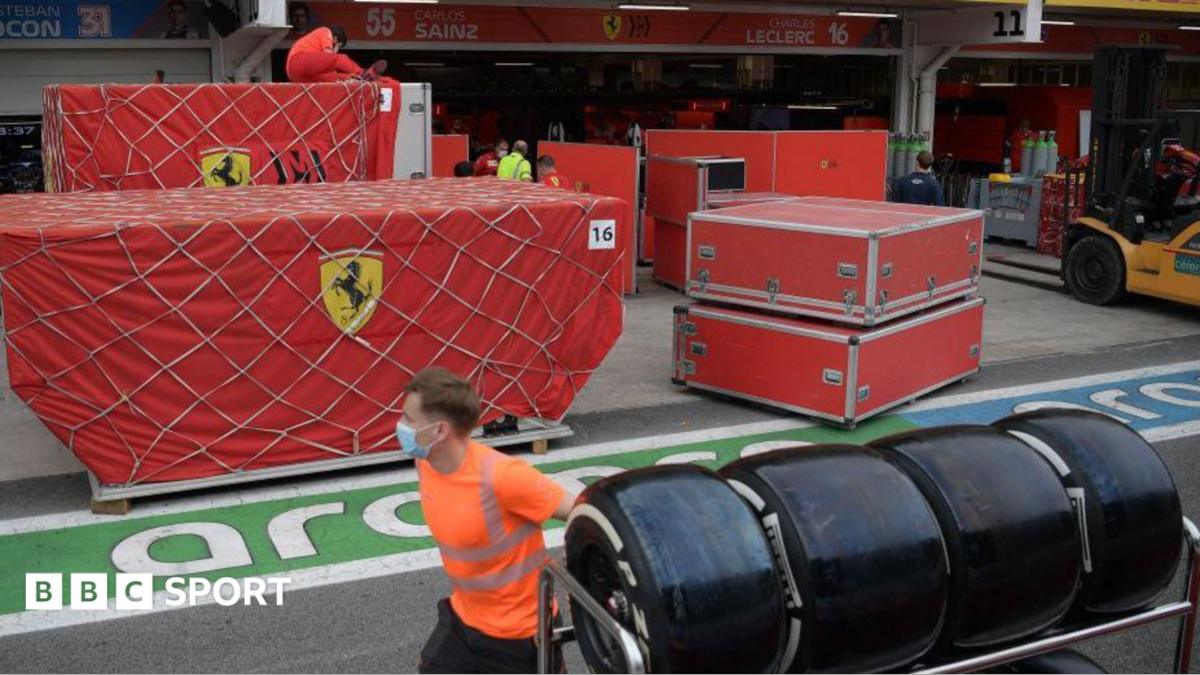
Formula 1 says it remains on course to meet one of the sport’s most significant long-term commitments: becoming net-zero carbon by 2030. The BBC report points to fuels and freight as the main areas behind the latest progress update, underlining how the championship’s sustainability push is increasingly tied to the practical realities of how a global racing series operates.
For a sport built on international travel, high-performance engineering and a packed calendar across multiple continents, the net-zero target has always been more than a branding exercise. It requires changes not only in what powers the cars, but also in how equipment, personnel and infrastructure move from race to race. That is why freight and fuel are central to the conversation. They are among the biggest logistical and technical levers available to Formula 1 as it tries to reduce its carbon footprint without compromising the scale of the championship.
Why fuels and freight matter to F1’s 2030 target
Fuels are a particularly important part of the sustainability debate because they sit at the heart of the sport’s identity. Formula 1 has long used its technical platform to test innovation, and the move toward lower-carbon solutions is intended to show that performance and environmental responsibility do not have to be mutually exclusive. Freight, meanwhile, reflects the less visible but equally important side of the operation: the movement of cars, parts and equipment around the world is a major emissions challenge for any series with a global footprint.
The BBC’s report does not provide a full breakdown of the measures behind the update, but the message is clear: Formula 1 believes its current trajectory is sufficient to keep the 2030 target within reach. That matters because the sport’s sustainability claims are now part of its wider public image, and any sign of slippage would invite scrutiny from fans, partners and critics alike.
What it means for supporters and the sport
For supporters, this is about more than corporate reporting. Formula 1’s future increasingly depends on proving that it can modernise without losing the spectacle that makes it unique. Fans want the speed, competition and drama to remain intact, but they are also watching how seriously the sport takes its environmental responsibilities. Progress on fuels and freight suggests the championship is trying to answer both demands at once.
There is also a broader competitive implication. As motorsport and the wider sports industry face growing pressure to reduce emissions, Formula 1’s ability to stay on track for net zero by 2030 strengthens its position as a leader in sustainability messaging. Whether the sport can maintain that momentum will depend on continued delivery, not just targets. For now, though, the latest update suggests Formula 1 is still moving in the right direction.
BBC Sport’s report adds that listeners can hear more on Back at Base on BBC Sounds.
Source note: This article was prepared using publicly available information from BBC Sport and expanded with editorial context.
Share this content: