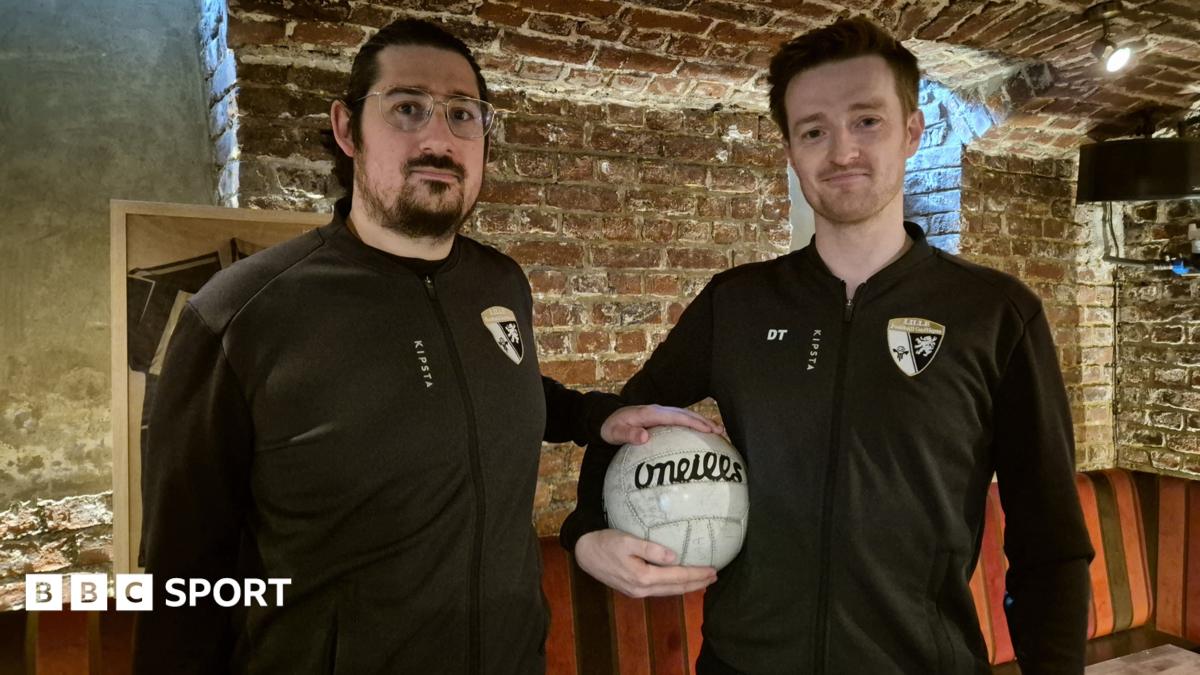
The BBC Sport feature on GAA growth in Europe is less about a single match and more about what football and other field sports often miss when they are discussed only through results: the social infrastructure around them. In this case, the story begins in Lille, where an Irishman and a Frenchman are sharing a pub on a wet Saturday afternoon, a small scene that captures a much bigger sporting trend. The growth of Gaelic games outside Ireland is not just about competition; it is about identity, belonging and the way sport creates communities in places far from home.
For supporters of Irish sport, that matters. The GAA has long been tied to local clubs, county pride and cultural memory, but its expansion across Europe suggests those values travel well. In cities with large Irish populations, and increasingly among non-Irish participants too, Gaelic football and hurling are becoming more visible as organised sports with their own rhythms, rivalries and social pull. That makes the European game important not only for participation numbers, but for how the sport is presented to new audiences.
Why the European GAA story matters
What stands out from the BBC’s framing is the emphasis on connection. Sport grows fastest when it offers more than a fixture list, and the European GAA scene appears to be doing exactly that. Clubs abroad often become meeting points for migrants, students and locals who are curious about Irish culture. That gives the sport a different kind of momentum from mainstream professional football: it is built on volunteers, community organisers and regular social contact as much as on elite performance.
There is also a wider sporting lesson here. In an era when many competitions are chasing commercial scale, the GAA’s European growth shows the value of grassroots identity. A sport does not need to be globally dominant to matter deeply. It needs structure, accessibility and a sense of shared purpose. The BBC’s opening image in Lille suggests that the European GAA scene has all three, even if it remains far smaller than the major professional codes.
What it means for supporters
For Irish supporters living abroad, the expansion of GAA clubs across Europe offers a way to stay connected to home. For local participants, it is an entry point into a sport with a distinct culture and history. And for the wider sporting public, it is a reminder that the health of a game is not measured only by television audiences or transfer fees, but by whether people keep turning up in pubs, parks and clubhouses to play, watch and belong.
That is why this BBC feature is worth attention. Even with limited detail in the source feed, the central message is clear: the GAA’s European growth is a story about sport as community first, competition second. In a football landscape often dominated by elite business narratives, that is a useful and timely contrast.
Source note: This article was prepared using publicly available information from BBC Sport and expanded with editorial context.
Share this content: