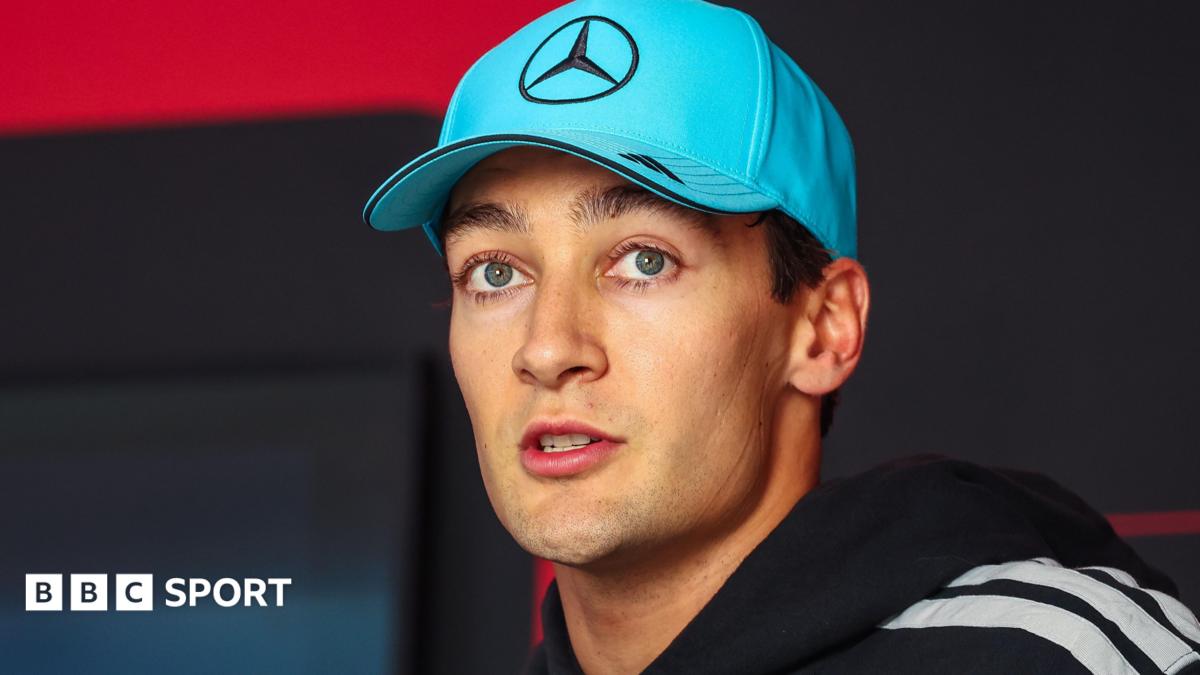
George Russell has raised fresh concerns over Mercedes’ competitiveness after saying a serious straight-line performance problem is leaving him unable to fight properly against team-mate Kimi Antonelli. The British driver’s comments point to a car-level limitation rather than a simple setup issue, and that distinction matters because it suggests Mercedes may be dealing with a structural weakness that affects race pace, overtaking and defensive ability.
For supporters of the team, the message is clear: even when a driver is pushing hard, the machinery can still decide the outcome. In Formula 1, straight-line speed is not just about top-end numbers on a timing sheet. It shapes how a car exits corners, how confidently a driver can attack on the straights, and whether a team can convert good sector times into actual track position. If Russell is feeling “powerless”, as the report indicates, then Mercedes may be struggling to give its drivers the tools needed to compete consistently at the front.
What Russell’s complaint means for Mercedes
Russell’s frustration is significant because it comes from a driver who is usually measured in his public assessments. When a driver says a title fight is “impossible”, it usually signals that the gap is not being bridged by driving style alone. That can point to drag, power delivery, energy deployment or a broader aerodynamic compromise. The exact technical cause is not stated in the source, but the implication is that Mercedes must address the issue quickly if it wants to remain competitive in the championship picture.
There is also a wider team dynamic at play. A straight-line deficit can distort the internal battle between team-mates, because it affects not only outright lap time but also race strategy, tyre management and the ability to defend or recover positions. If Antonelli is benefiting from the same package while Russell is openly highlighting the problem, Mercedes will be under pressure to explain whether the issue is car-specific, track-specific or a more persistent weakness.
Why the timing matters in the title race
Any performance concern at this stage of a season carries extra weight because small margins can decide both individual results and the direction of a campaign. A team that cannot maximise straight-line speed risks losing time in the very places where overtaking and defending are most decisive. That makes Russell’s complaint more than a passing frustration: it is a warning sign about how difficult Mercedes’ current package may be to race with.
For fans, the immediate takeaway is that Mercedes still has work to do before it can claim to have solved its performance puzzle. Russell’s remarks suggest the team is not yet in a position to rely on driver execution alone. Until the straight-line issue is addressed, every qualifying session and race could continue to expose the same weakness.
The BBC Sport report adds another layer to a season narrative that increasingly revolves around whether Mercedes can turn isolated speed into sustained competitiveness. Russell’s comments do not provide a full technical diagnosis, but they do underline the scale of the challenge facing the team.
Source note: This article was prepared using publicly available information from BBC Sport and expanded with editorial context.
Share this content: