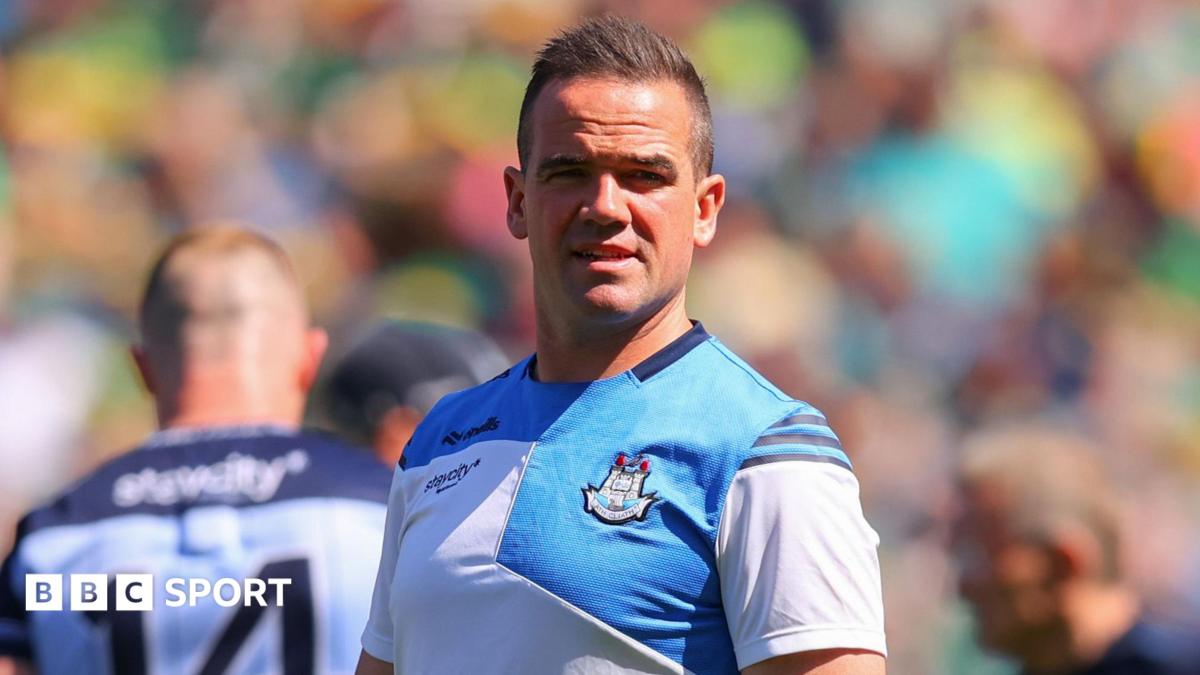
Dublin manager Ger Brennan has used the aftermath of his side’s All-Ireland SFC semi-final defeat by Kerry to renew a familiar debate in Gaelic football: whether match officials should be given video support for major decisions. His intervention comes at a time when pressure on referees remains intense, particularly in championship games where one call can shape the outcome of an entire season.
The issue is not simply about one result, but about the broader direction of the sport. In high-stakes knockout football, the margin for error is tiny and the consequences of a disputed decision can be enormous. Brennan’s comments will resonate with supporters who have watched modern elite sport increasingly lean on technology to reduce controversy, even if the GAA has traditionally moved more cautiously than other codes.
Why the debate matters now
Dublin’s defeat to Kerry ensures the conversation lands at a sensitive moment. Semi-finals are often decided by small tactical swings, momentum shifts and pressure moments, and any perceived officiating error tends to dominate the post-match narrative. That is especially true in a championship environment where teams spend months preparing for a single elimination game.
For Dublin, the loss ends another campaign short of the final and will inevitably trigger reflection on where the game was won and lost. For Kerry, it is another significant step in a rivalry that has defined so many modern championship seasons. But Brennan’s focus was not on revisiting the match itself so much as on the need to improve decision-making support for officials in future.
What video technology could change
Any move toward video technology would have implications beyond isolated incidents. It could alter the pace of games, the authority of referees and the way teams manage pressure moments around scoring chances, fouls and disciplinary calls. Supporters would likely welcome greater accuracy, but there would also be questions about how often reviews are used and whether stoppages would disrupt the flow that remains central to Gaelic football’s appeal.
For now, Brennan’s call is best understood as part of a wider push for accountability in elite sport. Managers rarely speak out on officiating technology unless they feel the issue is becoming impossible to ignore, and his remarks suggest the debate is likely to continue well beyond this semi-final. Whether the GAA responds will depend on how strongly the sport’s decision-makers believe technology can improve fairness without changing the character of the game.
What is clear is that the discussion is no longer theoretical. After another major championship match has ended with questions around officiating and decision support, the pressure on the GAA to at least examine the case for video assistance is likely to grow.
Source note: This article was prepared using publicly available information from BBC Sport and expanded with editorial context.
Share this content: