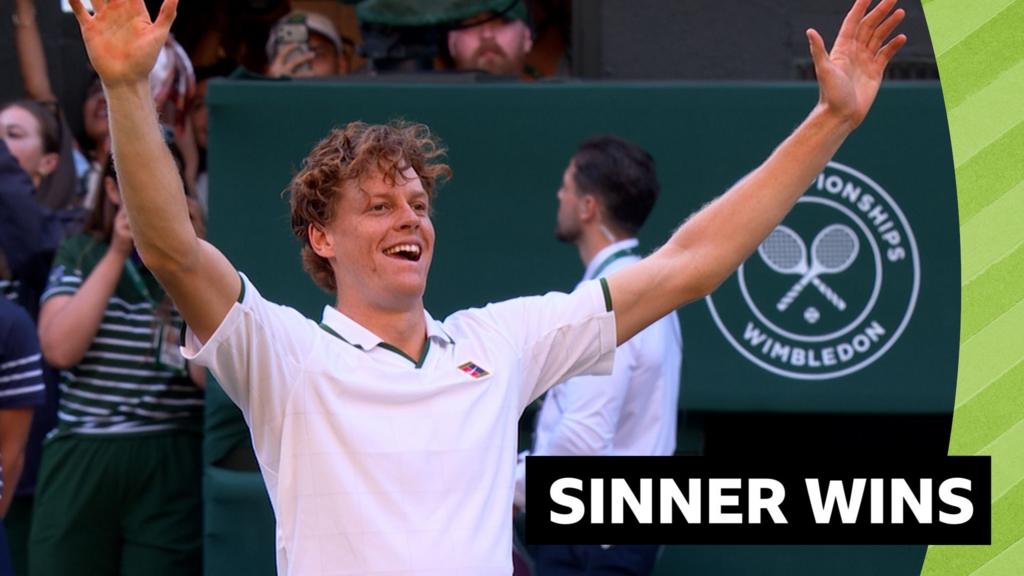
Jannik Sinner underlined his status as one of tennis’s defining players of the moment by retaining the Wimbledon men’s singles title after a compelling final against Alexander Zverev. The BBC’s footage captured the atmosphere on Centre Court as Sinner closed out the match with a brilliant rally that lifted the crowd and sealed another major triumph on grass.
For supporters, the significance goes beyond one trophy. Retaining a Wimbledon title is a rare statement in the modern game, especially at a tournament where the margins are so fine and the pressure so intense. Sinner’s ability to finish strongly in the biggest moments suggests a player whose game is no longer just built on talent, but on control, resilience and the confidence to dictate finals against elite opposition.
Why this final mattered
Zverev’s presence in the final ensured this was not a routine title defence. The German has long been one of the tour’s most dangerous players when he finds rhythm, and a Wimbledon final against him demands precision, patience and tactical discipline. Sinner’s victory therefore carries weight as a measure of his all-round maturity, not just his shot-making.
Grass courts reward players who can absorb pressure, serve efficiently and take chances quickly when they appear. Sinner’s success in a “compelling” final points to a player who handled those demands better than his opponent when it mattered most. That matters for Wimbledon, but it also matters for the wider season, because a player who can defend a major title on grass has proven he can adapt his game to different conditions and different kinds of tension.
What it means for Sinner and the tour
For Sinner, this title defence strengthens the sense that he is moving from contender to standard-setter. Winning Wimbledon once can be framed as a breakthrough; doing it again changes the conversation. It places him among the players who can be expected to shape the biggest tournaments, not merely feature in them.
For Zverev, the result is another reminder of how unforgiving Grand Slam finals can be. Reaching the last match at Wimbledon is an achievement in itself, but the final step remains the hardest. Against a player in Sinner who appears increasingly comfortable under Centre Court pressure, any lapse is likely to be punished.
For fans, the image that lingers is the one of Sinner winning the decisive rally and bringing the crowd to its feet. It was the kind of finish that Wimbledon still does better than almost anywhere else: a final decided not only by the scoreline, but by the sense that the champion had found the level required to own the moment.
Source note: This article was prepared using publicly available information from BBC Sport and expanded with editorial context.
Share this content: