Glasgow is preparing to stage a scaled-back Commonwealth Games in 2026, bringing a major international sporting event back to the city in a more compact format than originally expected. For supporters in Scotland, the return of the Games carries both nostalgia and practical significance: it restores a familiar global stage while reflecting the financial and logistical realities that have reshaped the event.
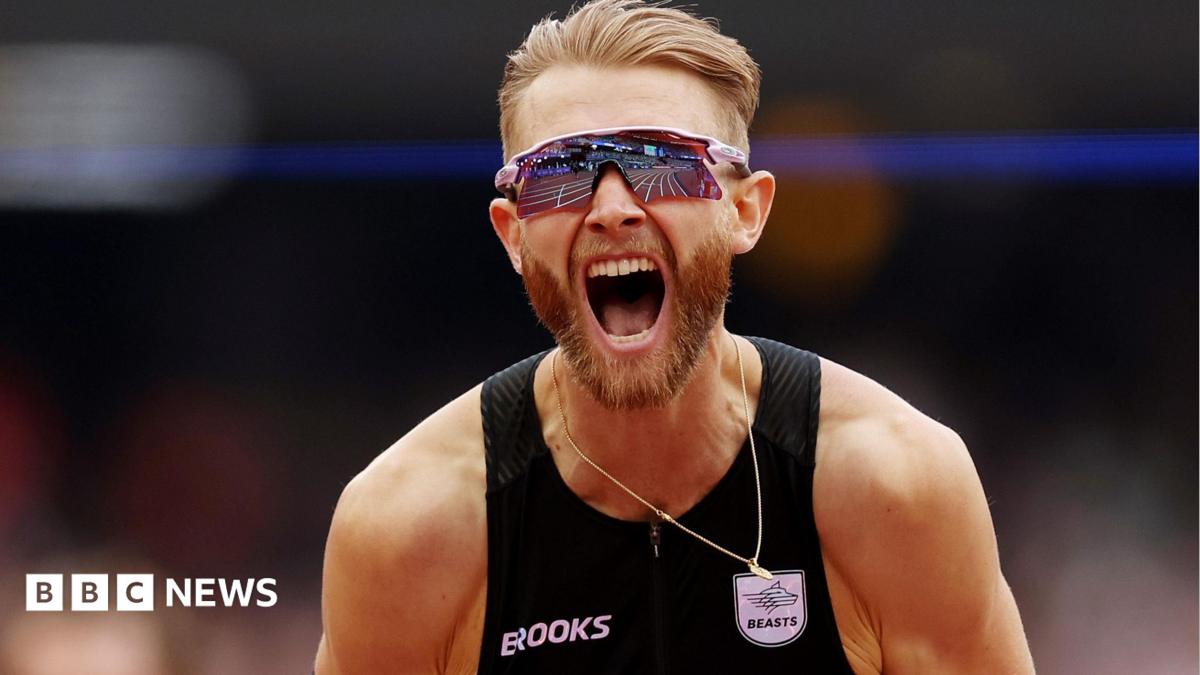
The BBC’s explainer points back to one of the most memorable moments from Glasgow’s previous hosting experience in 2014, when a packed Hampden roared home Jamaica’s relay success. That image matters because it captures what the city can still offer: a strong sporting atmosphere, a proven ability to stage big occasions, and a fan base capable of giving the Games a distinctive identity even if the 2026 edition is smaller in scale.
Why the scaled-back format matters
A reduced Commonwealth Games is not simply a matter of fewer events. It also changes the competitive and commercial profile of the tournament. For host cities, a slimmer programme can make the difference between staging a viable event and abandoning the idea altogether. Glasgow’s role in 2026 therefore looks less like a full-scale revival of the 2014 model and more like a pragmatic reset designed to keep the Games alive.
That has implications for athletes, federations and fans. A smaller schedule can concentrate attention on the most established disciplines, but it can also limit opportunities for sports and competitors that rely on the Commonwealth platform for visibility. For supporters, the upside is that the event remains on the calendar and in a city with a strong record of delivering atmosphere and accessibility.
What Glasgow’s return means for supporters
For local fans, the Games offer another chance to see elite sport close to home. Glasgow’s previous hosting experience showed how a city can turn a multi-sport event into a civic moment, with packed venues and a clear sense of occasion. Even in reduced form, 2026 should still provide that sense of shared spectacle, especially if the organisers can preserve the energy and ease of access that made the 2014 edition memorable.
There is also a wider sporting significance. The Commonwealth Games have faced questions about scale, cost and relevance in recent years, so Glasgow’s willingness to step in matters beyond the city itself. It suggests that, with a more disciplined model, the event can still find a place in the international calendar. For Scotland, and for fans who value major events with a strong live atmosphere, that is a meaningful development.
In football terms, Glasgow is no stranger to hosting major occasions, and the city’s sporting infrastructure and crowd culture remain part of its appeal. The 2026 Commonwealth Games may be smaller than the one many people remember, but the expectation is that Glasgow will still deliver a polished, fan-friendly event with a clear sense of identity.
Source note: This article was prepared using publicly available information from BBC Sport and expanded with editorial context.
Share this content: