Haiti’s rare World Cup appearance is more than a sporting milestone. It is a reminder of how football can sit alongside national memory, political instability and the long shadow of conflict. BBC’s feature uses the country’s journey to the tournament to frame a wider story about resilience, identity and what qualification means for supporters who have lived through far more than the usual pressures of international football.
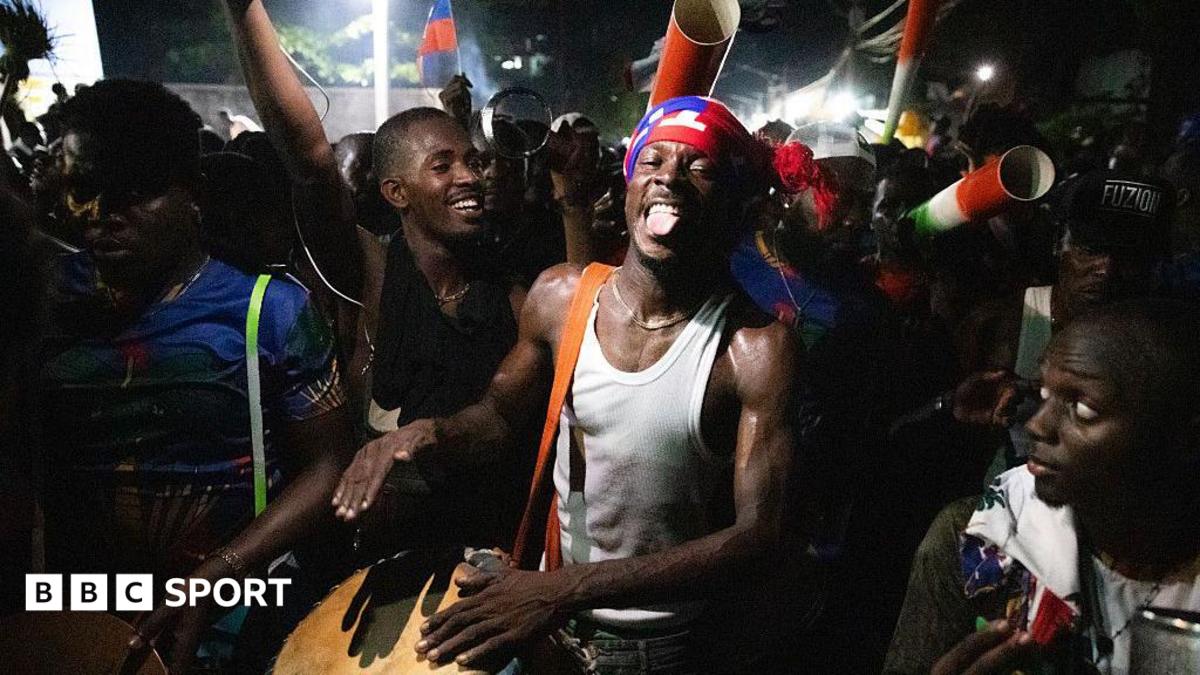
The article reaches back to 2004, when Brazil arrived in Port-au-Prince for an exhibition match and the city effectively paused for two days. That detail matters because it captures football’s unusual power in Haiti: even in a country shaped by violence and uncertainty, the game can create a shared moment of calm and collective attention. For supporters, that memory helps explain why a World Cup appearance carries emotional weight far beyond the pitch.
Football as a national release
In tactical terms, Haiti’s presence at the World Cup is not just about how the team lines up or how it handles stronger opposition. It is also about the symbolic value of competing on the global stage. For a nation with such a difficult recent history, every international fixture becomes a platform for visibility. The team’s participation offers fans a rare chance to see Haiti represented in a setting usually dominated by football’s wealthiest and most stable nations.
That context also changes how the story should be read by supporters. A World Cup campaign can be judged on results, but for Haiti it also becomes a measure of endurance. The BBC feature suggests that the emotional significance of the tournament is inseparable from the country’s social reality. The football matters, but so does what the football represents.
Why this story resonates beyond the scoreline
For readers following the tournament, Haiti’s appearance is a reminder that qualification is never only about rankings, budgets or infrastructure. It can also reflect a deeper national effort, one that survives despite disruption. The article’s central idea is that hope and trauma coexist here: the same country that has endured hardship can still produce moments of pride that unite people around a shared team.
That is why this feature stands out in a crowded football news cycle. It is not driven by transfer speculation or a headline result, but by the human meaning of international football. For Haiti’s supporters, the World Cup is not simply a competition. It is a rare stage on which the country’s story can be seen, understood and remembered.
Source note: This article was prepared using publicly available information from BBC Sport and expanded with editorial context.
Share this content: