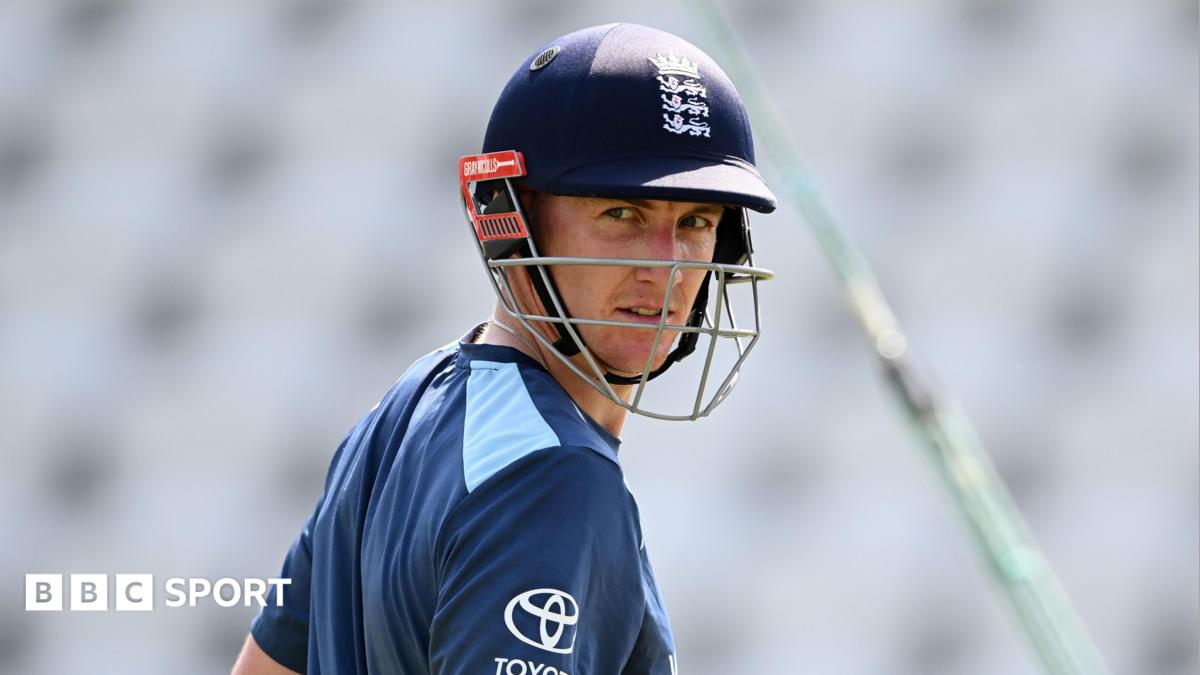
Harry Brook has added a new layer to the conversation around England’s leadership future by saying he would accept the Test captaincy if it were offered to him. The Yorkshire batter also believes it is realistic for one player to lead England across all three formats, a view that will inevitably prompt debate about workload, selection and the direction of the national side.
For supporters, the significance is less about a formal appointment today and more about what Brook represents: a younger core player who is already being discussed in terms of long-term responsibility. In modern international cricket, captaincy is rarely just about tactics on the field. It also shapes squad identity, selection continuity and the balance between red-ball and white-ball priorities. Brook’s comments suggest he is willing to be part of that conversation rather than step away from it.
Why Brook’s stance matters
England have spent recent years managing leadership across formats, with the demands of Test cricket, one-day internationals and T20 cricket often pulling in different tactical directions. A player who is both central to the batting order and open to captaincy naturally becomes a focal point for planning. Brook’s willingness to take on the role, at least in principle, will be read as a sign of confidence and ambition.
That matters because England’s next phase will depend on whether the team wants separate captains for each format or a more unified structure. Brook’s view that one player can handle all three formats is not a guarantee that England will follow that route, but it does keep the option alive. It also raises practical questions about how much responsibility can be placed on a batter who would still be expected to perform at the top level in every series.
What it means for England
From a cricketing perspective, the idea of Brook as Test captain would likely be judged on more than his batting alone. England would need to consider his temperament, communication and ability to manage bowlers in pressure moments. The broader implication is that the national side may be looking ahead to a leadership model built around players who can grow into the role rather than waiting for a traditional appointment from outside the current core.
For now, Brook’s comments do not amount to a change in England’s structure, but they do sharpen the discussion. Any future captaincy decision will have to balance form, experience and the physical demands of modern international cricket. Brook has made clear he would not turn down the honour, and that alone makes him a name to watch in England’s evolving leadership picture.
Source note: This article was prepared using publicly available information from BBC Sport and expanded with editorial context.
Share this content: