ITV will not use its in-play, in-picture scrum advertising during coverage of the Nations Championship in July, according to the BBC report. The broadcaster’s decision temporarily removes one of the more controversial commercial features from live rugby coverage, but the format is expected to return later in the year for the November Tests and again for next year’s Six Nations.
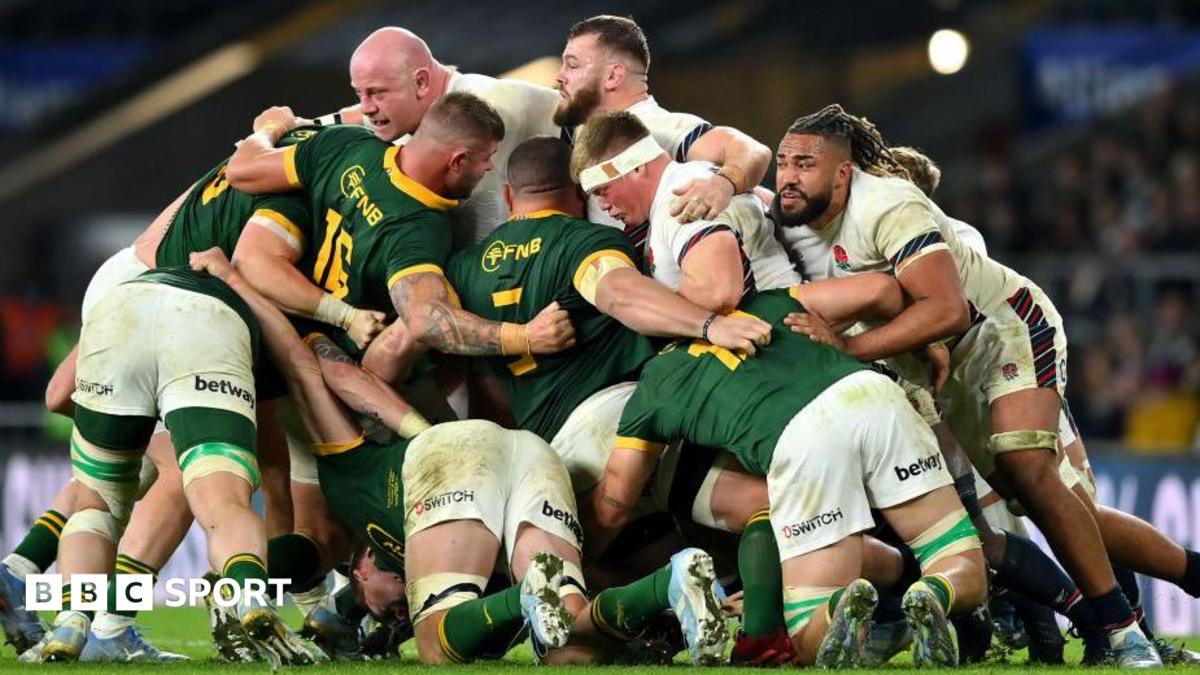
For supporters, the change matters because it affects the rhythm of the broadcast as much as the advertising inventory. Scrum-time is one of the few natural stoppages in rugby union, and broadcasters have increasingly looked to monetise those pauses without interrupting live play. The 20-second slots have drawn attention precisely because they sit inside the match experience rather than around it, making them more visible — and more divisive — than traditional ad breaks.
Why the July pause matters
The July Tests are often a key part of the international rugby calendar, giving broadcasters a chance to present the game to a wide audience during a period when attention is split across multiple sports. ITV’s decision to pause the scrum ad format for this window suggests a willingness to adjust presentation for a premium international event, even if only temporarily. That may be welcomed by viewers who prefer a cleaner live broadcast, especially in matches where momentum, set-piece tension and atmosphere are central to the viewing experience.
At the same time, the report makes clear that this is not a full retreat from the model. The return of the slots for the November Tests and the Six Nations indicates that broadcasters still see commercial value in the format. In practical terms, that means the July change is best understood as a short-term presentation choice rather than a long-term policy shift.
What it means for rugby coverage
The wider debate around rugby advertising has become increasingly relevant as broadcasters search for new revenue streams. In-play commercial placements can be lucrative, but they also risk alienating viewers if they are seen as intrusive or if they undermine the flow of the sport. ITV’s move shows the balancing act facing rights holders: protect the viewing experience enough to keep fans engaged, while still making the economics of live sport work.
For rugby supporters, the immediate takeaway is simple. July’s coverage should feel less interrupted, but the commercial model behind the broadcast is still very much in place. If the format returns as planned later in the season, the discussion around how much advertising rugby fans will tolerate is likely to resurface quickly.
Source note: This article was prepared using publicly available information from BBC Sport and expanded with editorial context.
Share this content: