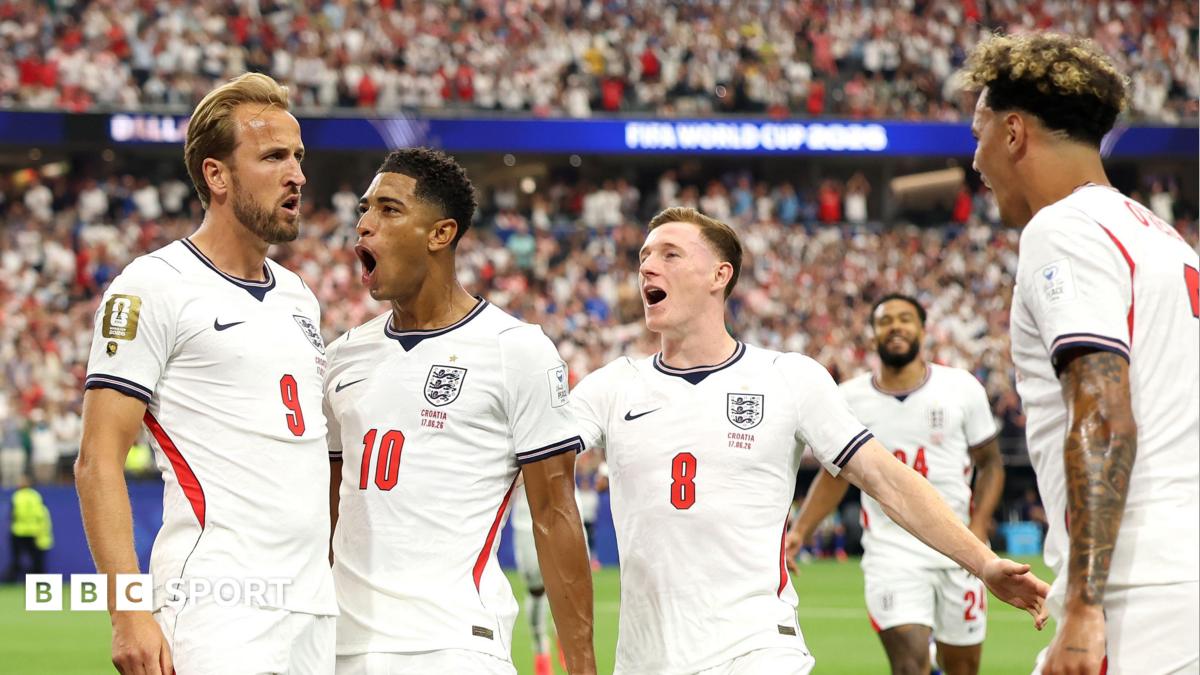
The race to the knockout rounds at the 2026 World Cup is not just about winning matches. It is about understanding how the tournament’s group-stage rules can turn a single goal, a late booking or a narrow margin into the difference between progress and elimination. That is the central message of BBC Sport’s explainer, which arrives at a time when supporters are increasingly looking beyond the scoreline and into the fine print of tournament football.
For fans, this matters because the World Cup is often decided by details that are easy to overlook in real time. A team can finish level on points with another side and still advance or exit depending on secondary criteria. That creates a different kind of tension: every attacking move, every defensive lapse and every disciplinary decision can shape the bracket before the knockout stage even begins.
Why the fine print matters in World Cup football
In major international tournaments, the group stage is designed to reward consistency, but it also punishes wastefulness. A team that dominates possession but fails to convert chances may find itself vulnerable if qualification comes down to goal difference or goals scored. Likewise, a side that picks up unnecessary cards can damage its position when the standings are tight. BBC Sport’s framing reflects a familiar tournament reality: the table is not always settled by points alone.
That is especially relevant at a World Cup with global attention and short turnaround between matches. Coaches have to balance ambition with control, knowing that one reckless challenge or one missed opportunity could have consequences that stretch beyond a single game. Supporters, meanwhile, are left doing the same calculations as the teams: watching not only who wins, but by how much and with what discipline.
What supporters should watch for
The practical takeaway is simple. Fans following the 2026 World Cup should pay close attention to the full group standings, not just the live score. Goal difference, goals scored and disciplinary records can all become decisive when teams are separated by the smallest margins. That makes the final round of group matches particularly dramatic, because multiple teams can still be alive or in danger at the same time.
For tournament observers, this is part of what makes the World Cup unique. It is not only a test of quality, but of game management, emotional control and efficiency. The teams that understand the rules best often give themselves the best chance of surviving the group stage and entering the knockout rounds with momentum.
BBC Sport’s explainer is therefore useful not because it introduces a surprise, but because it reminds fans that World Cup qualification is rarely straightforward. In a competition where margins are so fine, the smallest detail can decide who stays and who goes home.
Source note: This article was prepared using publicly available information from BBC Sport and expanded with editorial context.
Share this content: