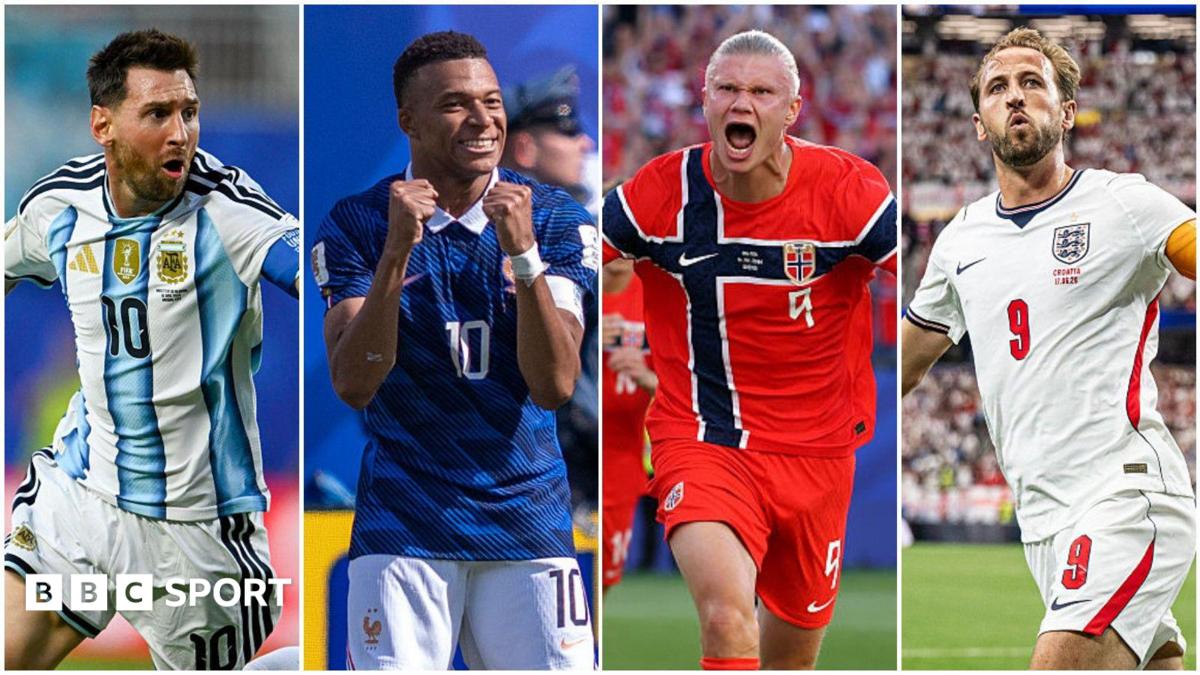
A World Cup is rarely defined only by systems and structure. It is also shaped by the players who can break those systems in a single action, and this BBC feature centres on four of the most decisive attackers in the modern game: Lionel Messi, Kylian Mbappe, Erling Haaland and Harry Kane.
That framing matters because tournament football often turns on fine margins. Opponents can spend days preparing for a match plan, only to see it undone by a moment of individual quality, a penalty-box movement, or a transition that exposes one lapse in concentration. When the biggest names arrive in form, the tactical challenge becomes as much about damage limitation as it is about control.
The tactical problem elite forwards create
Messi, Mbappe, Haaland and Kane each force different defensive questions. Messi can pull defenders out of shape by dropping into space and linking play, while Mbappe threatens the space behind a back line with pace and direct running. Haaland is a classic penalty-area finisher whose movement and physical presence can punish even small defensive errors, and Kane offers a different kind of threat through his finishing, hold-up play and ability to connect attacks.
For coaches, that means there is no single answer. A deep block may reduce space in behind but invite pressure. A higher line can squeeze the pitch but risks being exposed by speed or a perfectly timed run. Double-marking can help in isolated moments, yet it can also open gaps elsewhere. In a short tournament, those trade-offs become decisive.
Why star power changes World Cup preparation
The source’s central point is simple: a World Cup feels bigger when the leading names are part of the story. For supporters, that is part of the appeal. These are the players who can turn a group-stage match into a global event and a knockout tie into a defining moment for a nation.
From a footballing perspective, the presence of elite attackers also raises the standard for everyone else. Defenders must stay switched on for 90 minutes, midfielders must protect space more intelligently, and full-backs must balance aggression with caution. One mistake against this level of opposition can be enough to decide a match.
That is why the question of how to stop them is never just rhetorical. It goes to the heart of tournament football: how to survive against the best, how to limit their influence, and how to create enough of your own threat to make them defend as well.
For fans, that tension is what makes the World Cup compelling. The stars are not only there to entertain; they also force every opponent to adapt. And when the game’s biggest names are involved, the tactical battle becomes part of the spectacle.
Source note: This article was prepared using publicly available information from BBC Sport and expanded with editorial context.
Share this content: