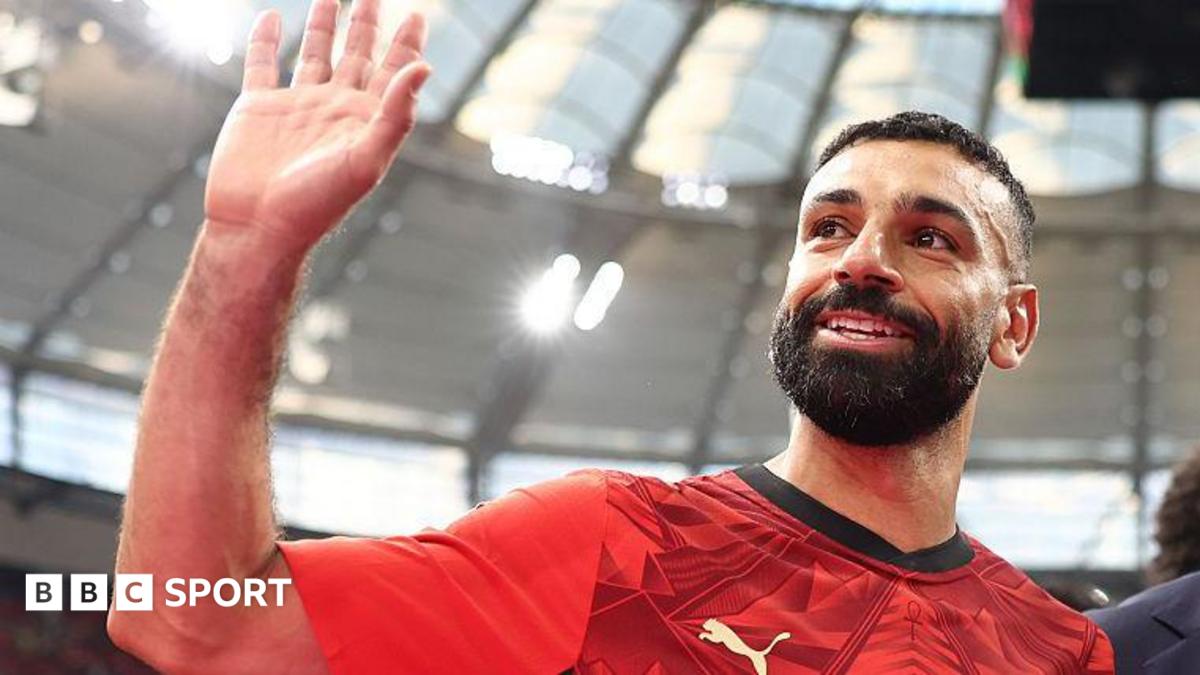
Mohamed Salah has once again delivered on the biggest stage for Egypt, with the forward helping his country end a long and painful wait for World Cup qualification. For a national team that has often carried the weight of expectation without the reward, this is more than a result: it is a release.
Egypt’s place at the tournament gives supporters a long-awaited reason to believe their team can finally turn strong individual quality into something more lasting. Salah remains the central figure in that story. Even when the details of a qualifying campaign are not always glamorous, the presence of a player of his calibre changes the emotional and tactical balance of a side. Opponents must plan for him, teammates play with more confidence around him, and the entire nation measures success through his influence.
A landmark moment for Egypt
For Egypt, qualification matters far beyond the immediate celebration. It restores the country to football’s most visible stage and gives the squad a chance to test itself against elite opposition. That matters for a team whose recent identity has often been shaped by near-misses and frustration. A World Cup berth is a statement that the current group can deliver under pressure, not just promise it.
Salah’s role in that achievement also reinforces his standing as one of African football’s defining players. He has long been judged not only by club success but by whether he can carry Egypt through decisive moments. This latest breakthrough strengthens the argument that his international legacy is built on more than goals alone. It is also about responsibility, durability and the ability to lift a team when the stakes are highest.
What it means on and off the pitch
Tactically, Egypt’s qualification underlines the value of having a forward who can decide tight games and force opponents to defend deeper than they would like. That often opens space for the rest of the team and reduces the burden on the midfield to manufacture everything from scratch. In knockout football, and in qualifying campaigns alike, that kind of edge can be decisive.
For supporters, the emotional impact is obvious. World Cup qualification is not just a sporting milestone; it is a shared national moment that resets expectations and creates momentum for the future. The challenge now is to turn qualification into a competitive tournament showing, rather than simply a place on the list of participants. But for the moment, Egypt and Salah have achieved the one thing that has eluded them for years: they are back on football’s grandest stage.
Source note: This article was prepared using publicly available information from BBC Sport and expanded with editorial context.
Share this content: