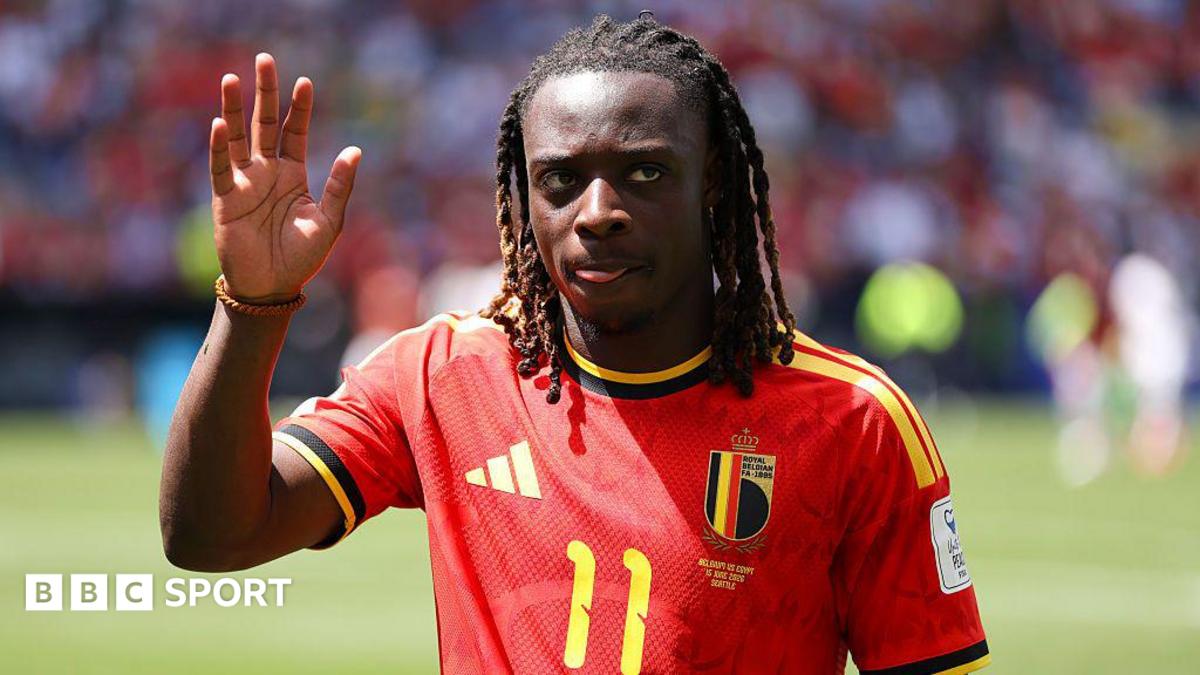
Jeremy Doku’s stance has sparked a wider conversation that goes beyond one player and one moment. The BBC’s framing makes clear that the Manchester City winger’s message was simple: family comes first. In modern football, where schedules are relentless and public scrutiny is constant, that position has resonated strongly with supporters and fellow professionals alike.
The reaction matters because it touches on a recurring tension in elite sport. Players are expected to deliver at the highest level week after week, yet they remain people with responsibilities and personal milestones that do not pause for the fixture list. When childbirth, illness or other family events collide with competition demands, the debate often becomes less about tactics or results and more about values, priorities and empathy.
Why Doku’s position struck a chord
Doku’s case has been discussed in a football landscape that increasingly recognises the human side of performance. Support for him suggests that many in the game believe clubs, governing bodies and fans should be more understanding when major family moments arise. That is especially relevant for players at the top end of the sport, where travel, recovery and match preparation can make personal time feel scarce.
For Manchester City, the issue also sits within the broader reality of squad management and player welfare. Clubs invest heavily in physical and mental readiness, but the best environments are usually the ones that acknowledge life away from football. A player who feels supported off the pitch is more likely to stay settled on it, and that can matter in a season where margins are tiny.
A wider sporting debate, not just a football one
The BBC’s mention of Rob Cross adds useful context. Cross missed the birth of his third child in 2017 so he could qualify for the World Matchplay tournament, a reminder that elite athletes across sports have long faced difficult choices between professional duty and family life. Doku’s situation has therefore landed in a broader cultural conversation about what should be expected of competitors when personal and professional obligations clash.
For supporters, the story is significant because it shows football at its most relatable. Results and transfers dominate the headlines, but moments like this reveal the pressures behind the scenes. The public response to Doku suggests that many fans are willing to back players who put family first, even when that means challenging the old assumption that sporting commitment must always come before everything else.
In that sense, the story is less about controversy than about a shift in tone. Football’s response to Doku indicates a growing recognition that professionalism does not require emotional detachment. If anything, the support around him shows that the game is increasingly prepared to defend players when the demands of elite sport collide with the realities of life.
Source note: This article was prepared using publicly available information from BBC Sport and expanded with editorial context.
Share this content: