Newcastle United’s summer rebuild has not followed the straightforward path supporters may have hoped for. According to BBC Sport’s latest reporting, the club could have looked very different had a number of targets been secured earlier in the window. That is the reality of modern recruitment for ambitious Premier League sides: once a club is competing for players with strong reputations or high upside, the market can move quickly and leave little room for hesitation.
For Newcastle, the issue is not simply about missing out on one player. It is about the wider effect on planning, squad balance and the timing of additions. A rebuild works best when key signings arrive early enough to settle into the group, understand the manager’s demands and give the team a clearer identity before the season begins. When targets slip away, the club is often forced into reactive decision-making, which can alter the profile of the entire window.
Why missed targets matter in a rebuild
Supporters tend to judge a transfer window by the names that arrive, but the more important question is whether the squad has been improved in the right areas. Missed targets can expose where a club’s recruitment strategy is vulnerable. They can also suggest that Newcastle are operating in a market where competition is fierce and where other clubs can offer either a more immediate sporting project or a different financial package.
That matters because Newcastle are still in the process of building a squad capable of sustaining progress across multiple fronts. The club’s recent rise has changed expectations, but it has not removed the challenges of recruitment. Every window now carries added pressure, because each delay or rejection can affect how quickly the team closes the gap on the Premier League’s established elite.
Manzambi and the wider transfer picture
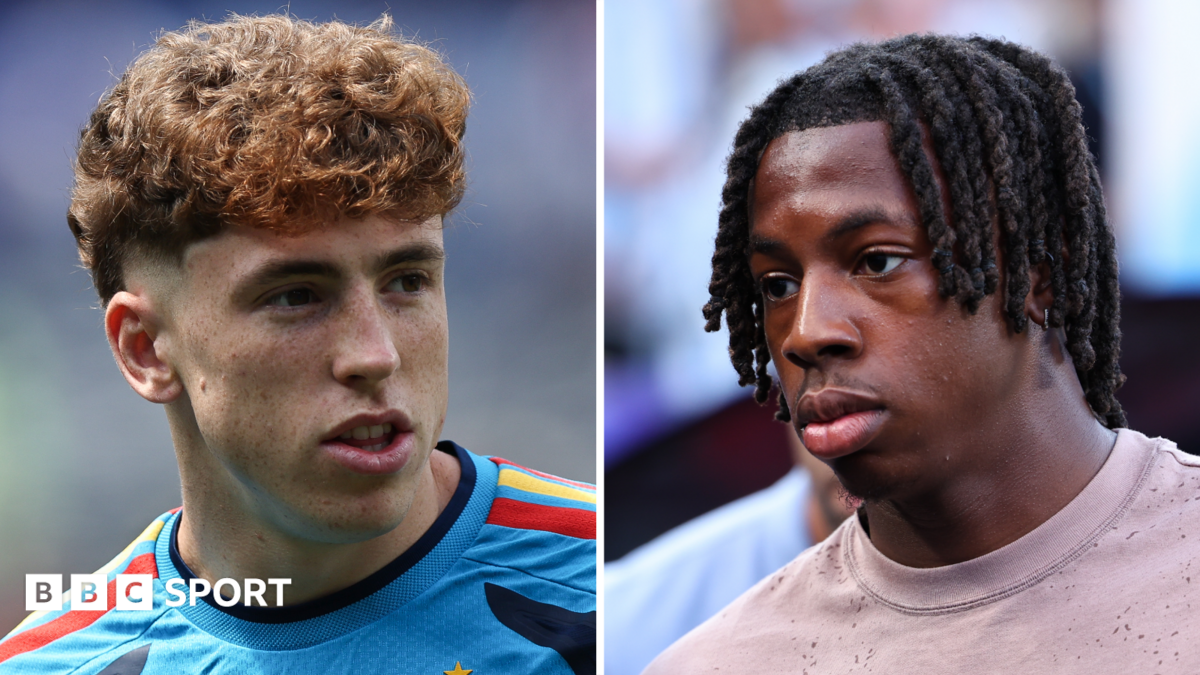
The BBC’s report also points to Manzambi as a name attracting interest, underlining how competitive the market has become around emerging talent. When a player is in demand, clubs must decide whether to move early, wait for a better valuation or shift focus to alternative options. For Newcastle, those choices can define the success of the rebuild as much as the final list of arrivals.
From a tactical perspective, the key issue is whether the squad is being shaped to give the manager more flexibility. A strong rebuild should not only add quality, but also improve depth, versatility and the ability to cope with injuries or fixture congestion. If targets are missed, those gains can be delayed, leaving the team more exposed than intended.
For supporters, the frustration is understandable. A club with Newcastle’s ambition is expected to act decisively, especially after establishing itself as a serious force in the Premier League. Yet the transfer market rarely rewards expectation alone. The coming weeks will show whether Newcastle can recover from the setbacks, identify alternatives and still deliver a window that strengthens the squad in meaningful ways.
In that sense, the story is less about one failed pursuit than about the broader test of Newcastle’s recruitment operation. A successful rebuild is not only measured by who arrives, but by how well the club responds when the first choices do not materialise.
Source note: This article was prepared using publicly available information from BBC Sport and expanded with editorial context.
Share this content: