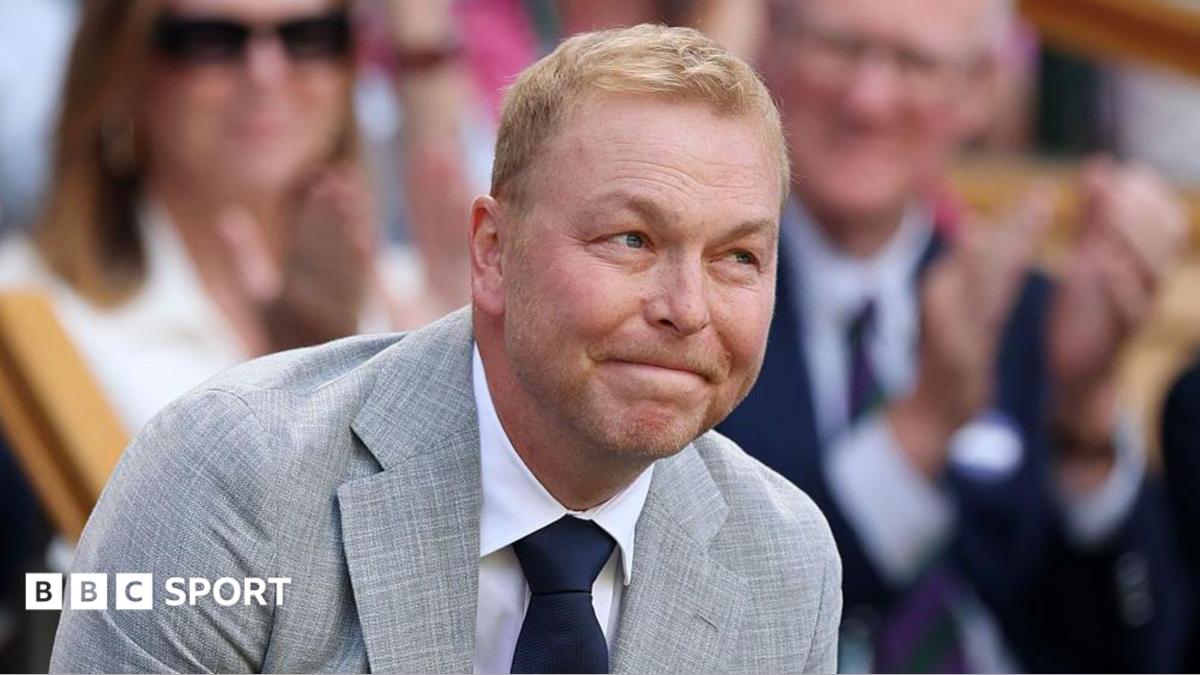
Sir Chris Hoy has thrown his support behind Glasgow’s Commonwealth Games, saying he expects the event to be a “massive success” even though the programme has been scaled back. For a city with a strong sporting identity and a history of staging major events, that endorsement matters: Hoy remains one of Scotland’s most recognisable sporting figures, and his view will resonate with supporters who want the Games to feel like a genuine celebration rather than a compromise.
The Games are due to begin next week, and the tone around the event is clearly upbeat. Hoy said he has fond memories of the Commonwealth Games and suggested that, from his perspective, the atmosphere is already positive. That is important in a year when organisers are working within a reduced format, because public confidence can shape how the event is received before the first medals are even won.
Why Hoy’s backing matters
Hoy’s opinion carries weight because he is closely associated with elite Scottish sport and with the Commonwealth stage itself. His success as a rider made him a household name, but his broader significance is that he represents the kind of homegrown sporting achievement that major multi-sport events are designed to inspire. When a figure like Hoy speaks positively about Glasgow’s chances, it helps frame the Games as more than a logistical exercise: it becomes a test of civic pride, sporting ambition and public engagement.
For supporters, that matters because a scaled-down event can sometimes risk feeling less special. Hoy’s message cuts against that concern. He is effectively arguing that the quality of the experience will not be defined only by the size of the programme, but by the spirit around it, the organisation on the ground and the sense of occasion created by the city itself.
What it means for Glasgow and supporters
Glasgow has already built a reputation for hosting major sporting events with energy and atmosphere, and that history will be part of the conversation as the Games approach. A successful edition next week would reinforce the city’s standing and give fans a reason to embrace the event on its own terms, even if the scale is different from previous editions.
Hoy’s comments also reflect a wider truth about major tournaments: supporters often judge them not only by the number of events on the schedule, but by whether they feel authentic, well-run and memorable. If Glasgow can deliver that, the reduced format may matter less than the overall impression left behind. For now, the message from one of Scotland’s most decorated sportsmen is clear — the ingredients are there for the Games to land well.
Source note: This article was prepared using publicly available information from BBC Sport and expanded with editorial context.
Share this content: