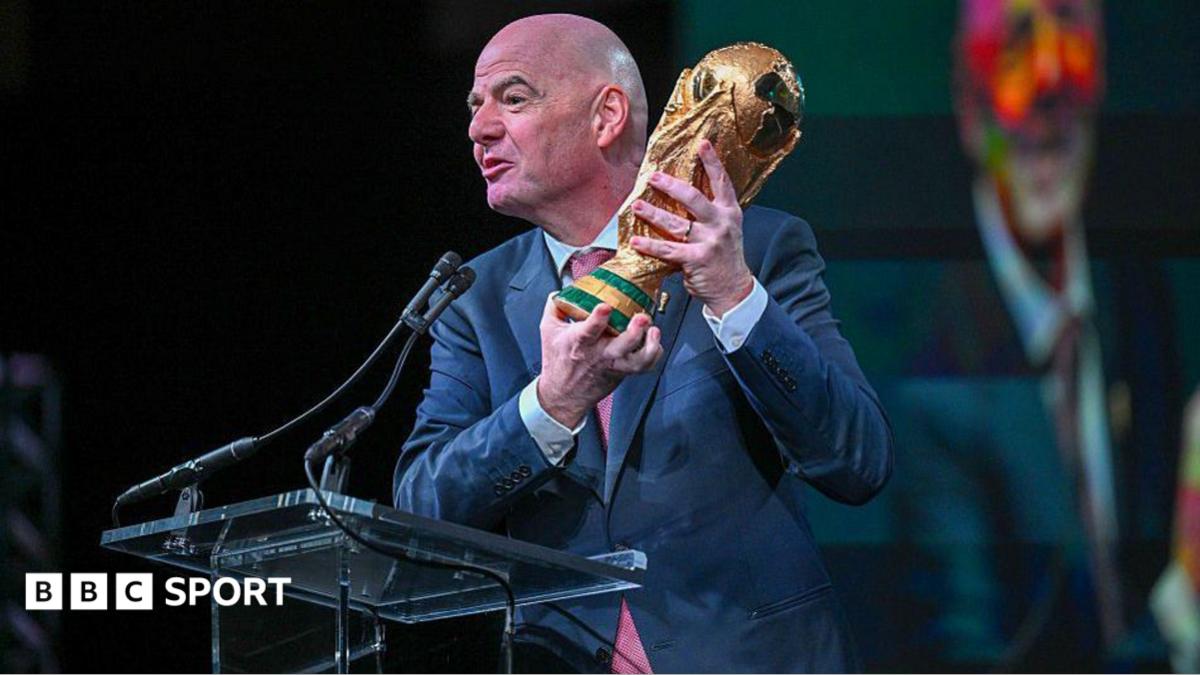
Gianni Infantino’s latest World Cup expansion idea is less a surprise than a reminder of the direction Fifa has taken under his leadership. The BBC Sport report asks whether a 64-team tournament could be pushed through, and even the question itself tells supporters a lot about where the debate is heading: bigger, longer and more commercially ambitious.
For football fans, the attraction is obvious. A larger World Cup would create more places for nations that rarely reach the finals and could open the door to more stories from outside the traditional elite. For developing football countries, that matters. Qualification campaigns would feel more attainable, and the global reach of the tournament would deepen further.
Why expansion keeps returning
Infantino has built a reputation for favouring growth, and the BBC’s framing reflects that broader pattern. More teams means more matches, more broadcast inventory and more global engagement. It also fits a modern Fifa model that has increasingly treated the World Cup as the centrepiece of a wider football economy rather than simply a sporting competition.
But every expansion proposal comes with a cost. A 64-team World Cup would almost certainly intensify concerns about player workload, tournament quality and the strain on the international calendar. Clubs, leagues and national-team coaches have repeatedly warned that football’s schedule is already stretched. Adding more fixtures to the sport’s biggest event would sharpen those tensions rather than resolve them.
What it could mean for supporters
Supporters would likely see both opportunity and risk. More nations in the finals could make the tournament feel more inclusive and politically significant, especially for fans in regions that have historically been underrepresented. At the same time, there is a legitimate fear that too much expansion could dilute the competitive edge that makes the World Cup special.
That balance is the heart of the issue. The World Cup’s prestige has always rested on the idea that qualification is difficult and that every match matters. If Fifa pushes the field to 64 teams, it would need to convince the football world that the tournament can grow without losing its edge. For now, the BBC report suggests the conversation is still at the level of possibility rather than certainty, but in Infantino’s Fifa, possibilities have a habit of becoming policy.
For now, supporters should read this as the latest sign that the World Cup’s future format remains open to change. Whether that change improves the game or simply adds more of it is the question Fifa will have to answer next.
Source note: This article was prepared using publicly available information from BBC Sport and expanded with editorial context.
Share this content: