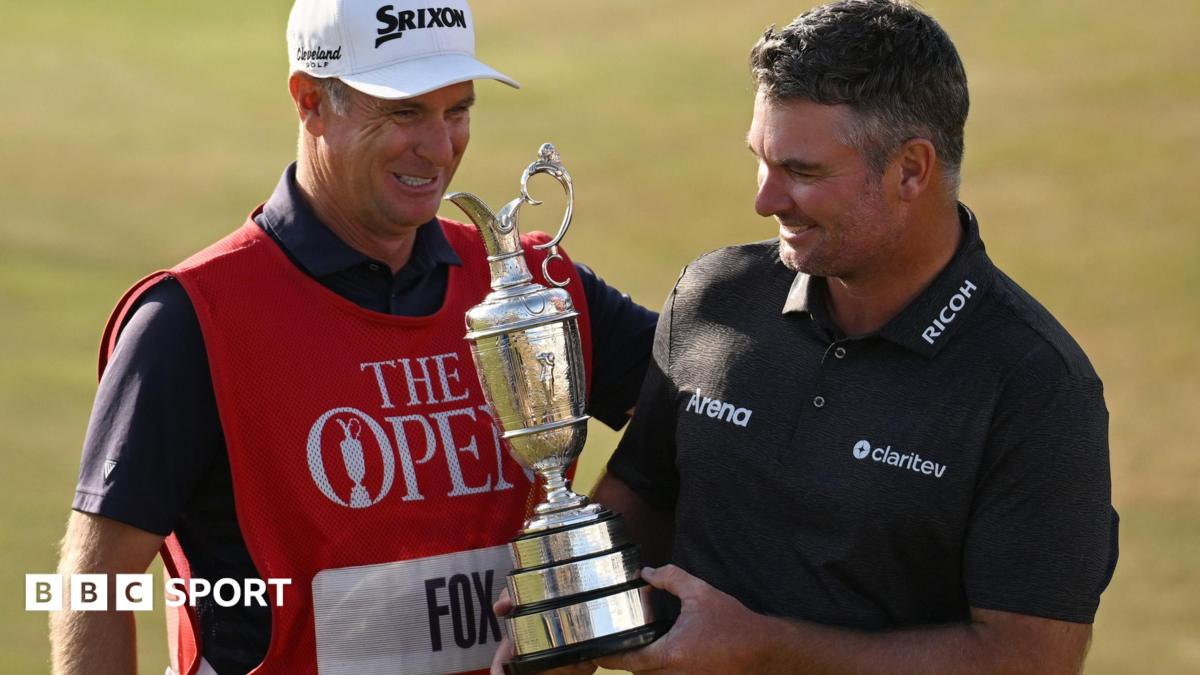
Ryan Fox’s Open victory was framed not just as a sporting triumph, but as a contrast in style, temperament and reputation. According to the BBC’s report, the decisive moment arrived so quickly that there was barely time for commentary to catch up. That detail matters: in golf, where tension often stretches every shot into a theatre of delay, Fox’s brisk tempo became part of the story itself.
For supporters and casual viewers alike, that pace is more than a personality trait. It speaks to a player who trusts his process, commits early and avoids the visible hesitation that can turn a final round into a grind. In a major championship, where pressure can slow even the most composed contenders, Fox’s speed of execution suggested clarity under stress rather than recklessness. That is one reason his win reads as a statement beyond the scorecard.
A popular winner in a sport that rewards composure
The BBC also highlights Fox as a unanimously popular figure among his peers, which gives the result an added layer of resonance. Golf can be an individual sport with a strong social hierarchy, and player reputation often shapes how victories are received. A champion who is widely liked tends to be celebrated not only for the result, but for the manner in which it was achieved. Fox’s success therefore lands as a win for a player whose style and demeanour appear to have earned broad respect inside the game.
That matters in the modern game because personality now travels alongside performance. Fans increasingly respond to golfers who show identity, rhythm and a clear competitive edge. Fox’s “pacy brand of golf,” as the BBC describes it, fits that demand. It is easy to see why such a style would play well in a high-drama Open finish, where momentum can swing on a single putt and where the audience is often looking for a figure who can cut through the tension.
DeChambeau remains the sport’s lightning rod
The report’s comparison with Bryson DeChambeau is equally revealing. DeChambeau remains one of golf’s most discussed and divisive figures, and any head-to-head narrative involving him tends to sharpen the debate around what modern golf should look like. Against that backdrop, Fox’s victory feels like a quieter, more universally palatable alternative: less controversy, more trust, and a style that many inside the sport seem to prefer.
For the wider audience, that contrast gives the Open result a broader meaning. It is not only about who holed the key putt, but about what kind of champion the sport is willing to embrace. Fox’s win suggests there is still strong appetite for players whose game is efficient, fluent and uncomplicated by off-course noise. In a sport often pulled between spectacle and tradition, that is a significant message.
For Goal Sports News readers, the takeaway is straightforward: Fox’s Open triumph was about more than one decisive stroke. It was a reminder that in elite golf, style can shape legacy, and that a player’s reputation among peers can be as influential as the numbers on the leaderboard.
Source note: This article was prepared using publicly available information from BBC Sport and expanded with editorial context.
Share this content: