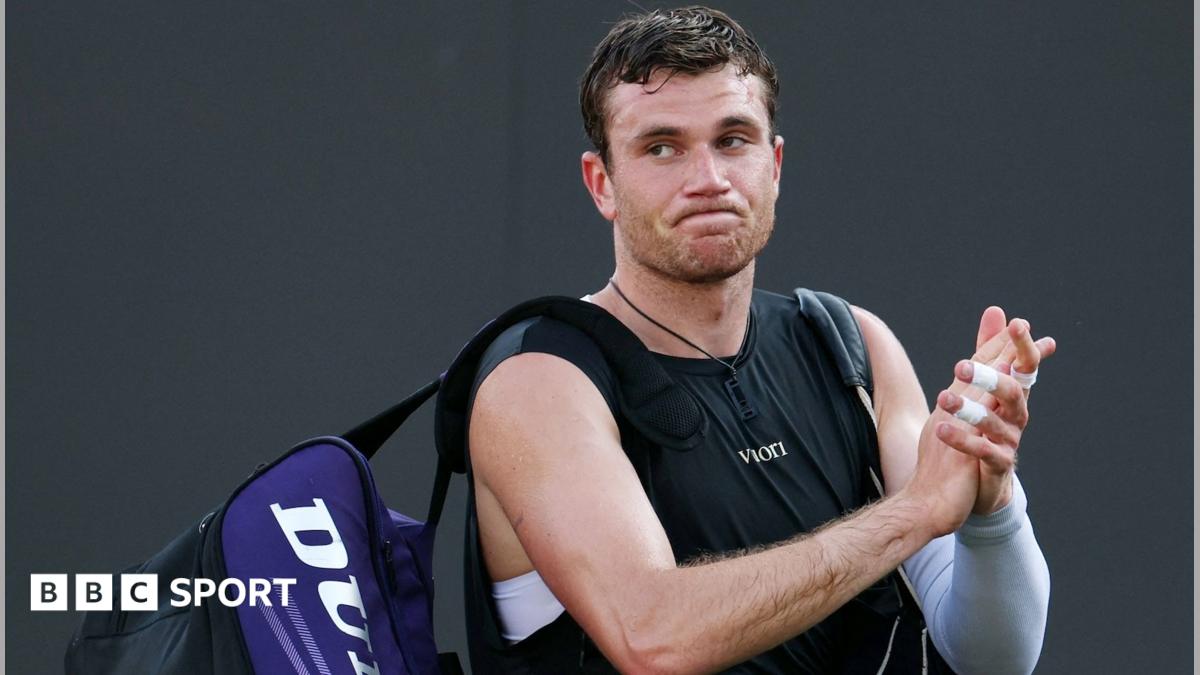
Jack Draper’s return to competition after injury produced enough encouragement to suggest he is moving in the right direction, but not enough to carry him into the Eastbourne final. Ugo Humbert proved the obstacle the Briton could not clear, ending a run that had offered supporters a reminder of Draper’s quality on grass and the value he can bring when physically close to full rhythm.
For British tennis fans, the result is a familiar mix of frustration and optimism. Frustration, because home tournaments always sharpen expectations around players who can realistically contend on grass. Optimism, because Draper’s presence in the latter stages of the week indicates that the injury layoff has not erased the attributes that make him such a difficult opponent when he is serving well and striking through the court with confidence.
What the defeat means for Draper
From a performance perspective, the key takeaway is not simply that Draper lost, but that he was able to compete deep into the tournament after a spell away from action. That matters on grass, where timing, movement and confidence under pressure often take a little longer to return than on slower surfaces. A semi-final run in Eastbourne suggests the base level is still there, even if the final step was missing against Humbert.
Humbert’s win also underlines how unforgiving the grass-court swing can be. One poor service game, one dip in intensity, or one stretch where a returner finds a rhythm can decide a match quickly. For Draper, that is a useful benchmark rather than a setback to overstate. The priority now is to build on the positives, protect the body and use the match load to sharpen his game for the bigger tests ahead.
Why Eastbourne still matters
Eastbourne has long served as an important proving ground for players preparing for Wimbledon, and Draper’s run will be viewed through that lens. Even without a final appearance, the tournament offered competitive minutes, grass-court repetition and a chance to measure himself against a strong opponent in Humbert. That is especially relevant for a player managing a return from injury, where match fitness can be as important as technical form.
For Humbert, the victory is a statement of control and composure at the right moment, and it sends him into the final with momentum. For Draper, the story is more nuanced: the result ends the week, but the broader picture remains encouraging. Supporters will take comfort from the fact that he is back on court, back in contention and showing signs that he can again be a factor on the surface that rewards his aggressive style most naturally.
In that sense, Eastbourne may not have delivered the home final many hoped for, but it did provide a meaningful checkpoint in Draper’s recovery. The next stage is consistency, and if he can keep building from here, this semi-final could be remembered less as a missed opportunity and more as the first clear step back toward his best level.
Source note: This article was prepared using publicly available information from BBC Sport and expanded with editorial context.
Share this content: