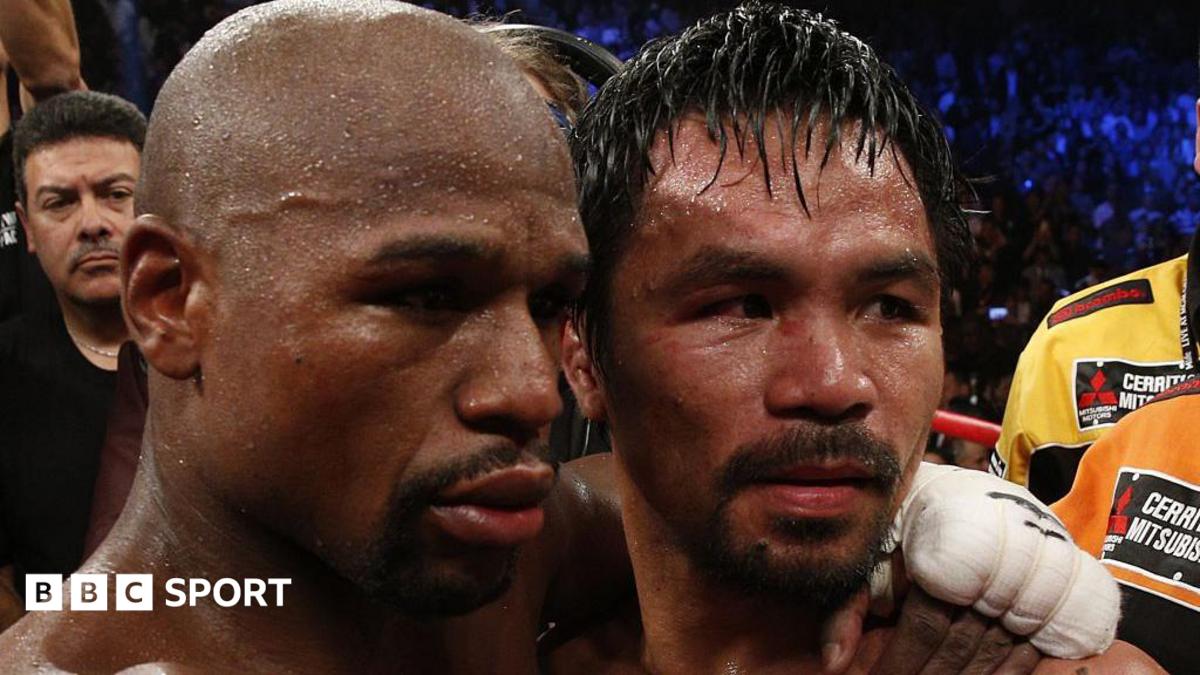
The long-discussed rematch between Manny Pacquiao and Floyd Mayweather has been postponed indefinitely, according to Pacquiao’s camp, bringing another halt to a fight that has always carried enormous commercial and historical weight. For supporters of both men, the news is less a surprise than a reminder of how difficult it has become to turn boxing’s most famous names into an actual event.
The original Pacquiao-Mayweather meeting remains one of the defining fights of the modern era, not only because of the names involved but because of the scale of interest it generated across the sport. Any talk of a second meeting naturally triggers debate about legacy, timing and whether either fighter can still deliver the kind of spectacle that once made the matchup unavoidable.
Why the postponement matters
From a sporting perspective, the postponement is significant because it removes a rare crossover event that could have drawn attention well beyond boxing’s core audience. Pacquiao and Mayweather are not just former champions; they are global brands whose careers have long been measured against each other. When a rematch is delayed indefinitely, the uncertainty quickly becomes part of the story, and the longer it drags on, the harder it is to preserve momentum.
For Pacquiao, the announcement also raises familiar questions about what comes next. At this stage of a fighter’s career, every major bout is judged not only on competitiveness but on whether the timing still makes sense. For Mayweather, whose post-retirement appearances have often been framed around exhibition-style events and high-profile business decisions, the postponement again underlines how carefully his name is managed.
What supporters are left with
For fans, the immediate impact is frustration. A rematch between two of boxing’s most recognisable figures is the kind of event that can dominate headlines, revive old arguments and pull casual viewers back into the sport. Instead, the indefinite delay leaves only speculation about whether the fight was ever close to being finalised.
There is also a broader lesson here for boxing: the sport still relies heavily on legacy names to generate mainstream interest, but those fights are increasingly difficult to organise and even harder to sustain through the negotiation process. When a bout of this magnitude stalls, it affects not just the fighters involved but the wider sense of anticipation around the sport.
BBC Sport reported the postponement on 8 June, with Pacquiao’s camp confirming that the rematch is no longer on a clear timetable. Until there is a fresh update, the fight sits in the same category as many other dream matchups in boxing: talked about often, but not yet real.
Source note: This article was prepared using publicly available information from BBC Sport and expanded with editorial context.
Share this content: