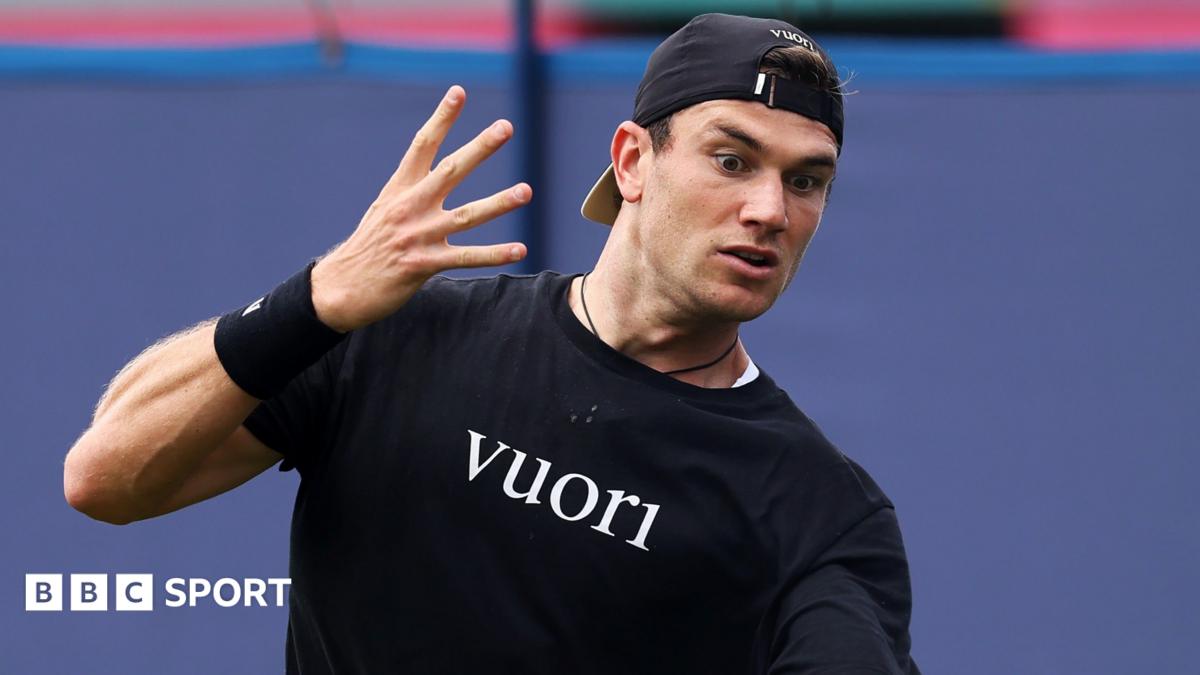
Jack Draper’s latest comments offer a blunt reminder of how quickly momentum can shift for a young athlete whose career has been shaped as much by physical setbacks as by promise. The Briton’s description of recent injury struggles as feeling like he was watching his own decline is striking not because it is dramatic, but because it reflects the mental burden that repeated interruptions can place on a player trying to build consistency.
For supporters, the key takeaway is that Draper is not framing this period as a permanent identity. His insistence that he does not see his career becoming “all injuries” matters. It suggests a player still focused on the long view, even if the short-term reality has been frustrating. In elite tennis, where rhythm, confidence and match sharpness are tightly linked, time away from competition can be as damaging as the injury itself.
The mental side of injury setbacks
Draper’s remarks speak to a challenge that is often underplayed in sport: the psychological effect of being forced to stop and start repeatedly. When a player is unable to string together matches, training blocks and tournament runs, progress can feel invisible. For a rising talent, that can create a sense of regression even when the underlying ability remains intact.
That is why his language is important. Saying he felt he was watching his own decline is not the same as admitting defeat. It is a candid assessment of how injury can distort perception, especially for someone still trying to establish a durable place at the top level. The fact that he also rejected the idea that his future will be defined by injuries gives the story a more constructive edge.
What it means for Draper’s next phase
From a performance perspective, the priority for Draper is simple: restore continuity. In modern tennis, the players who climb and stay near the top are usually those who can survive the physical grind of the calendar. That makes durability a competitive asset, not just a medical issue. For Draper, the challenge is not only returning to full fitness but also rebuilding the match habits that injuries interrupt.
There is also a wider significance for British tennis followers. Draper has been viewed as one of the country’s most promising names, and any injury setback inevitably raises questions about whether he can convert potential into sustained results. His comments do not answer those questions, but they do show a player aware of the stakes and determined not to let a difficult spell define him.
For now, the story is less about a specific result than about resilience. Draper’s honesty makes clear that injury setbacks can feel like a career threat even when they are temporary. The next step is proving that the decline he felt was only a moment in the journey, not the direction of travel.
Source note: This article was prepared using publicly available information from BBC Sport and expanded with editorial context.
Share this content: