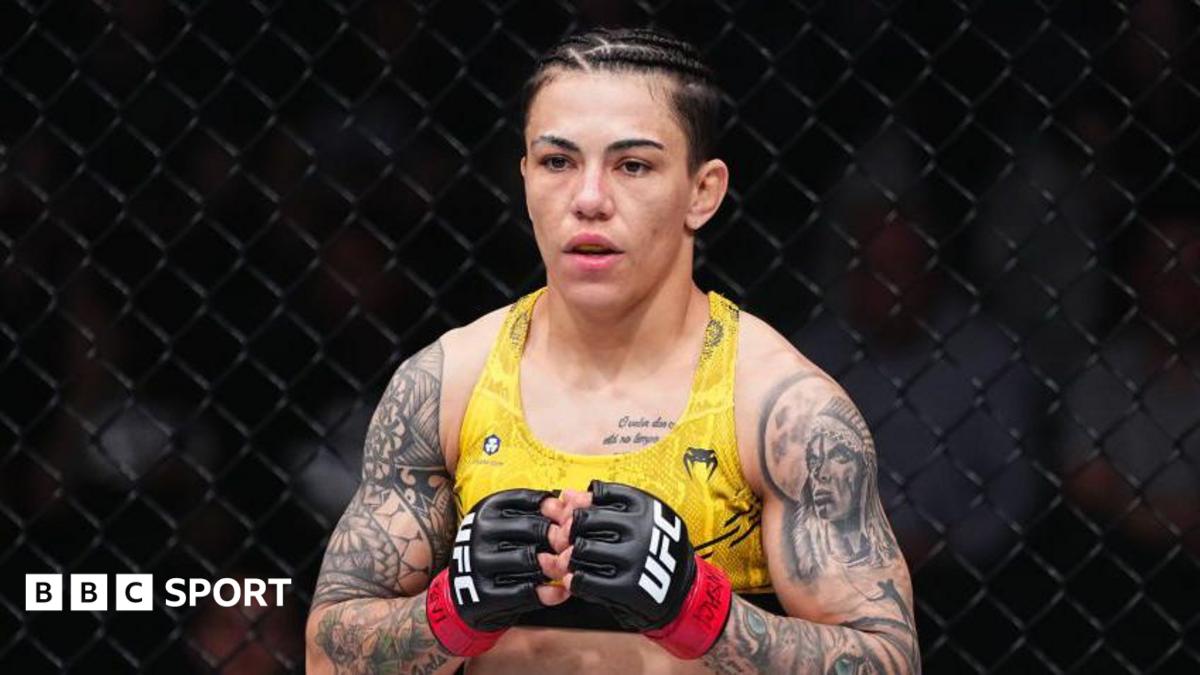
Former UFC strawweight champion Jessica Andrade has revealed the financial reality behind life away from the cage, saying she has taken work as a delivery driver while she recovers from injury. The admission offers a rare glimpse into the pressures faced by even elite mixed martial arts athletes, where earnings can fluctuate sharply depending on activity, sponsorship and fight frequency.
Andrade’s situation is notable because it comes from a fighter who has already reached the top of one of the UFC’s most competitive divisions. Yet the need to find extra income while sidelined underlines how quickly momentum can stall in combat sports when injuries interrupt a career. For supporters, it is a reminder that championship status does not always guarantee financial security once the fighting stops.
What Andrade’s situation says about MMA economics
In MMA, the gap between headline status and day-to-day stability can be wide. Fighters are often paid per bout, and long layoffs can leave them relying on other work to bridge the gap. Andrade’s decision to drive deliveries while injured reflects that reality and adds context to the broader debate around fighter pay, especially for athletes outside the very top tier of the sport’s earnings ladder.
Her case also speaks to the physical toll of the sport. Recovery periods can be unpredictable, and an injury can affect not only training but also a fighter’s ability to stay active in the marketplace. For a former champion, that can mean fewer immediate opportunities and a greater need to stay financially flexible until a return to competition becomes possible.
Why this matters for fans and the division
Andrade remains a well-known name in the UFC strawweight picture, and any update on her recovery will matter to fans tracking the division’s competitive landscape. A healthy return would restore another proven contender to the mix, while a prolonged absence could further reshape the title conversation and the queue of challengers.
For now, the story is less about rankings than resilience. Andrade’s willingness to keep earning while she waits to recover will resonate with many supporters, particularly those who see combat sports as a profession built on short careers, uncertain paydays and constant physical risk. It is a human story, but also a structural one: a reminder that behind the spectacle of the UFC, many fighters still have to balance elite sport with ordinary work.
BBC Sport reported the comments as part of its mixed martial arts coverage.
Source note: This article was prepared using publicly available information from BBC Sport and expanded with editorial context.
Share this content: